Blog
Before and After: What a Full Exterior Property Refresh Actually Looks Like
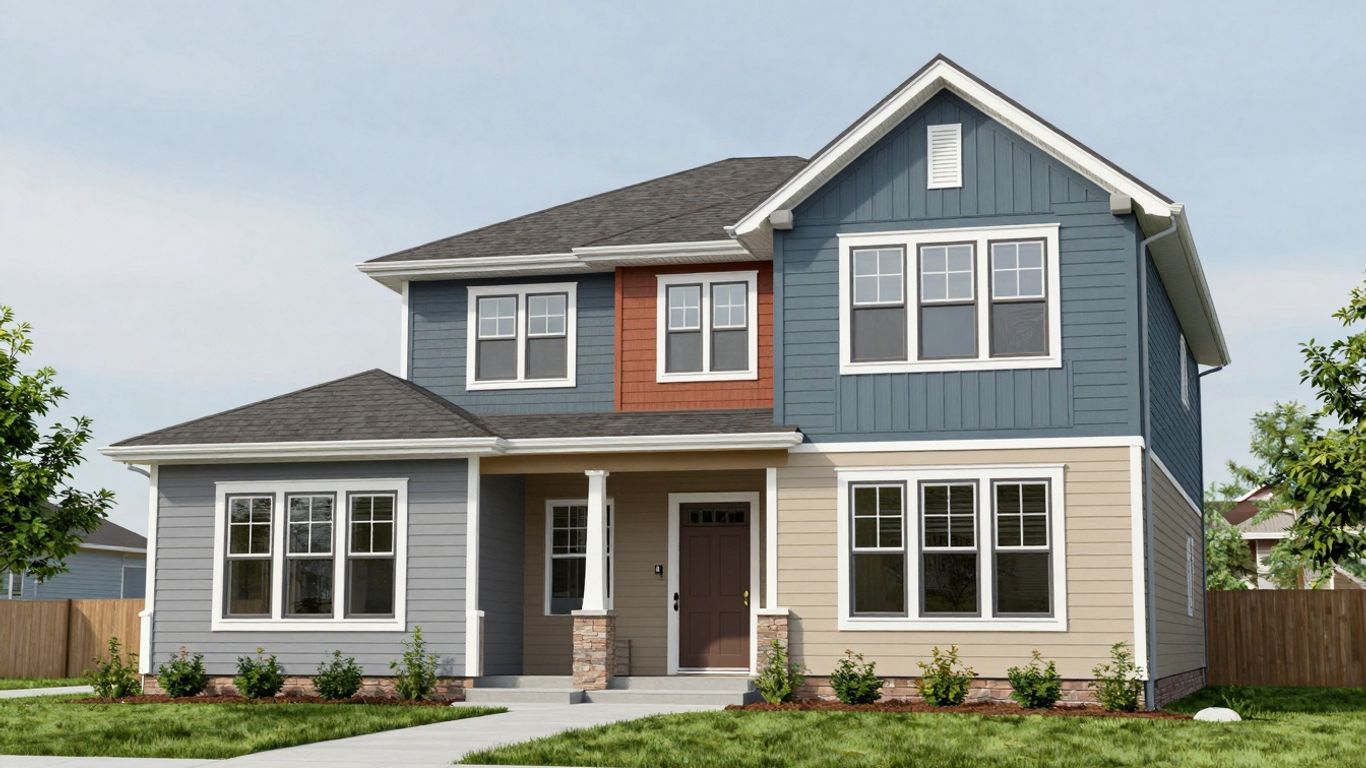
Most homeowners think about exterior cleaning and maintenance one surface at a time — the driveway needs pressure washing, or the fence needs staining, or the patio is starting to look dingy. What fewer homeowners consider is what it looks like to address every exterior surface on the property at once — to do a comprehensive refresh that takes the entire outside of a home from neglected to sharp in a single coordinated project.
A full exterior property refresh isn't just about appearance. It's about understanding the complete condition of every outdoor surface, addressing what needs immediate attention, and setting every surface on a maintenance schedule that prevents the compounding deterioration that makes individual surface problems worse over time.
Here's what a complete exterior property refresh actually looks like for a typical DFW home — what's assessed, what's done, in what sequence, and what the result is when the project is complete.
What Triggers a Full Exterior Refresh
Most full exterior refresh projects happen for one of a few reasons — and recognizing which one applies to your situation helps frame what the project should accomplish.
Preparing to sell: The DFW real estate market is competitive, and exterior condition has a direct impact on how quickly a home sells and at what price. A full exterior refresh before listing addresses every surface that a buyer or their agent will notice — driveway staining, fence condition, siding appearance, patio cleanliness — and signals that the home has been well maintained. Real estate agents consistently report that exterior cleaning and maintenance before listing delivers one of the highest returns of any pre-sale investment.
Moving into a new home: Taking ownership of a property that hasn't been recently maintained means inheriting whatever the previous owners did or didn't do to the exterior surfaces. A full refresh at move-in establishes a clean baseline, identifies any surface conditions that need attention, and gives you a clear starting point for ongoing maintenance going forward.
Catching up after deferred maintenance: Many homeowners reach a point where they realize multiple exterior surfaces have been neglected for longer than they should have been — the fence hasn't been stained in four years, the driveway hasn't been sealed since the house was built, the siding has mildew that's been growing for two seasons. A comprehensive refresh project addresses everything at once rather than tackling surfaces piecemeal over multiple years.
Annual or seasonal maintenance reset: Some DFW homeowners treat a full exterior refresh as a scheduled annual or biennial project — a comprehensive reset of every surface at the same time rather than managing individual surfaces on separate schedules.
The Assessment Walkthrough: Where Every Refresh Starts
A comprehensive exterior refresh begins with a thorough walkthrough of the entire property — every surface, every structure, every area that contributes to the exterior condition of the home. This isn't a quick glance around the perimeter — it's a systematic assessment that documents the condition of each surface and identifies what each one needs.
Driveway and concrete flatwork: Assessed for staining type and severity — oil, rust, mineral, biological — surface cracking, spalling, and whether sealing is due based on the water bead test and visible surface condition. Any cracks that need repair before sealing are noted.
Home siding and exterior walls: Assessed for biological growth — algae, mildew, mold — chalking or degraded paint, hard water staining from irrigation, and any areas of visible damage. North and east-facing walls that stay damp longest get specific attention because they accumulate biological growth fastest.
Wood fence: Assessed for overall stain condition using the water bead test, visible weathering and graying, any boards that have cracked or split, post integrity along the full fence line, gate hardware condition, and any sections with mold or mildew discoloration. The assessment determines whether staining alone is appropriate or whether board replacement and repairs are needed before staining.
Patio and outdoor living surfaces: Assessed for biological growth, staining, surface condition, and whether sealing is due. Any wood elements — pergola beams, deck boards, patio cover rafters — are assessed for stain condition and weathering on the same basis as the fence.
Additional wood surfaces: Garage door, shutters, cedar columns, and any other wood accent surfaces are assessed for stain condition, weathering, and any structural concerns at post bases or panel joints.
Gutters and fascia: Assessed for algae streaking, debris accumulation, and any areas where water is running over the gutter edge and staining the fascia below.
This assessment walkthrough produces a complete picture of the property's exterior condition — what needs immediate attention, what can wait, and what the full scope of a comprehensive refresh project looks like.
The Sequencing of a Full Property Refresh
Once the assessment is complete and the scope of the project is established, the work happens in a specific sequence that's designed to avoid redoing steps and ensure each surface gets the correct treatment at the right time.
Sequence matters because surfaces interact. Pressure washing the driveway after staining the fence can deposit overspray on the fresh stain. Sealing the patio before pressure washing the siding can get sealer on concrete that was just cleaned. A professional crew working through a full property refresh plans the sequence deliberately to avoid these interactions and ensure every step builds correctly on the one before it.
Here's the general sequence for a full DFW exterior property refresh:
Phase One: Structural Repairs Before Any Cleaning Begins
Any structural repairs identified during the assessment — fence board replacement, post re-setting, concrete crack repair, gate hardware replacement — happen before cleaning begins. This is important for two reasons.
First, replacement boards and repaired concrete need to be cleaned as part of the overall surface prep — doing repairs after cleaning means the repaired areas are untreated and inconsistent with the cleaned surrounding surfaces. Second, identifying structural issues before cleaning removes the risk of pressure washing or chemical treatment making a compromised board or damaged concrete area worse.
Replacement cedar fence boards installed before staining get the same preparation and stain application as the existing fence, resulting in a consistent finished appearance across the entire fence line. Concrete repairs that cure before the pressure washing step are cleaned and sealed along with the rest of the concrete, creating a uniform sealed surface rather than patched areas with different protection levels.
Phase Two: Soft Washing Home Siding and Exterior Walls
Soft washing the home's exterior walls and siding is one of the first cleaning steps because overspray and runoff from the siding wash can affect other surfaces — concrete, plants, and any wood structures adjacent to the house. Doing this step early means any runoff is cleaned up during subsequent pressure washing of hard surfaces rather than landing on already-cleaned areas.
Soft washing uses low-pressure water combined with professional biocidal cleaning solutions to kill and remove algae, mildew, and mold from siding, stucco, and other exterior wall surfaces. The process kills biological growth at the root rather than just removing the visible surface layer — which is why soft washing results on siding last significantly longer than high-pressure washing.
In the DFW climate, this step typically reveals how much mildew has established itself on north-facing walls over the previous season — sometimes significantly more than is visible from a casual look at the property. Addressing it thoroughly during the refresh prevents it from spreading further and reduces how quickly it returns.
Phase Three: Pressure Washing Hard Surfaces
With siding soft washing complete, pressure washing of all hard surfaces — driveway, sidewalks, concrete patios, brick, and pavers — follows. Any chemical pre-treatments identified during the assessment are applied before pressure washing begins — degreaser for oil staining, acid treatment for mineral deposits, biocidal solution for biological growth.
Hard surface pressure washing in a full property refresh is systematic — every square foot of concrete gets consistent coverage rather than spot-treating visible problem areas. The goal is a uniformly clean surface across all concrete areas, which is the correct prep for sealing and which creates a consistent visual appearance when the project is complete.
Patio and deck surfaces are pressure washed at appropriate lower pressure settings for pavers, decorative concrete, and wood rather than the higher PSI appropriate for standard concrete driveways.
Phase Four: Drying Period — The Scheduled Pause
After pressure washing is complete, a drying period is built into the project schedule before any staining or sealing begins. This isn't downtime — it's a required step that's as important as any active cleaning step.
Concrete needs 24 to 48 hours of dry weather to reach the moisture level appropriate for sealer application. Wood surfaces being prepared for staining need similar drying time — and in DFW conditions after a thorough pressure wash, wood moisture levels should be verified with a moisture meter rather than estimated by appearance.
This drying period is where DIY concrete sealing and fence staining projects most commonly go wrong — the surface looks dry, so the homeowner proceeds. Professional application waits for the surface to actually be dry at the level the product needs, not just visually dry at the surface.
Phase Five: Wood Staining — Fence, Pergola, Deck, and Accent Surfaces
With wood surfaces fully dried, staining proceeds across all wood elements identified in the assessment — fence, pergola, deck, garage door, shutters, cedar columns, and patio cover as applicable. Doing all wood surfaces in the same service window ensures consistent stain color and sheen across the property and puts every wood surface on the same maintenance schedule going forward.
Professional staining covers every wood surface systematically — between fence boards, end grain at rail and post connections, horizontal beam tops on pergolas that need the most thorough coverage, and base sections of cedar columns where moisture protection is most critical.
Surrounding areas are protected during staining — concrete and pavers adjacent to the fence are masked or covered, landscaping near fence lines is protected from overspray, and any siding or structural elements near wood surfaces being stained are protected from contact.
Phase Six: Concrete Sealing
After wood staining is complete and with concrete fully dried and free of any stain overspray, sealing proceeds across all concrete surfaces identified in the assessment. Sealer is applied evenly using professional spray equipment across driveways, patios, sidewalks, and paver surfaces at the appropriate coverage rate for each specific product and surface type.
The sealer application step is the final protective layer in the refresh sequence — it locks in the clean, pressure-washed concrete surface and creates the moisture and stain resistance that protects the concrete through the next maintenance cycle.
What the Property Looks Like When a Full Refresh Is Complete
A completed full exterior property refresh produces a visible, comprehensive transformation of the property's exterior — one that's more dramatic than any single-surface service delivers because every surface is addressed at the same time.
The driveway is uniformly clean, with oil staining removed or significantly reduced, surface staining cleared, and a fresh sealer coat creating the even, slightly enriched appearance that properly sealed concrete has. The patio and walkways match the driveway in cleanliness and protection level.
The home's siding is clean and even across all facades — the dark streaking and green patches that were present on the north and west-facing walls are gone, and the full exterior reads as consistently maintained rather than selectively cleaned.
The fence is uniformly stained across the full perimeter — new boards blending with the existing fence line, consistent color from section to section, and the rich protected tone that freshly stained cedar has before UV exposure begins the gradual fading that will eventually trigger the next staining cycle.
Wood accent surfaces — pergola, deck, garage door, shutters — match the fence in stain color and appear as a cohesive exterior wood package rather than surfaces at different stages of weathering and neglect.
The overall effect is a property that reads as well-maintained, cared-for, and visually cohesive — which is exactly the impression that matters for curb appeal, property value, and the satisfaction of owning a home that looks the way it should.
The Ongoing Maintenance Advantage of a Full Reset
One of the less obvious benefits of a full exterior property refresh is that it puts every surface on the same maintenance cycle at the same time. Rather than managing a driveway that needs sealing this year, a fence that needs staining next year, and siding that was last cleaned three years ago on three separate schedules, a comprehensive refresh synchronizes everything.
The next maintenance cycle — pressure washing, restaining, resealing — can be scheduled as a single coordinated project rather than multiple separate service calls across multiple years. That's easier to manage, more cost-efficient to execute, and more effective for surface protection because every surface is addressed at the right time in its maintenance cycle rather than when it happens to get scheduled.
One Company for the Complete Project
DFW Pressure Washing & Fence Staining LLC handles every component of a full exterior property refresh — pressure washing, soft washing, wood staining, seal and protect services, fence repairs, and fence installation — throughout the Dallas-Fort Worth area, including Kennedale, Arlington, Mansfield, Fort Worth, Grand Prairie, and surrounding communities.
Working with a single company for the complete project eliminates the coordination overhead of managing multiple contractors, ensures consistent sequencing and timing across all services, and delivers a unified result rather than a patchwork of separately scheduled surface treatments.
Every full refresh project starts with a comprehensive property walkthrough that documents the condition of every exterior surface and produces a clear, itemized estimate covering everything that needs attention — so you know exactly what the project includes before any work begins.

Want to know what a full exterior property refresh would look like for your DFW home — every surface assessed, every treatment sequenced correctly, and everything done in a single coordinated project? DFW Pressure Washing & Fence Staining LLC walks through every exterior surface during the property walkthrough and delivers a complete picture of what your property needs before a single piece of equipment is unloaded.
Get Your Free Estimate → dfwpressurewashing.net/contact-us
DFW Pressure Washing & Fence Staining LLC


