Blog
Commercial Fence Installation in DFW: What Business Properties Need That Residential Projects Don't
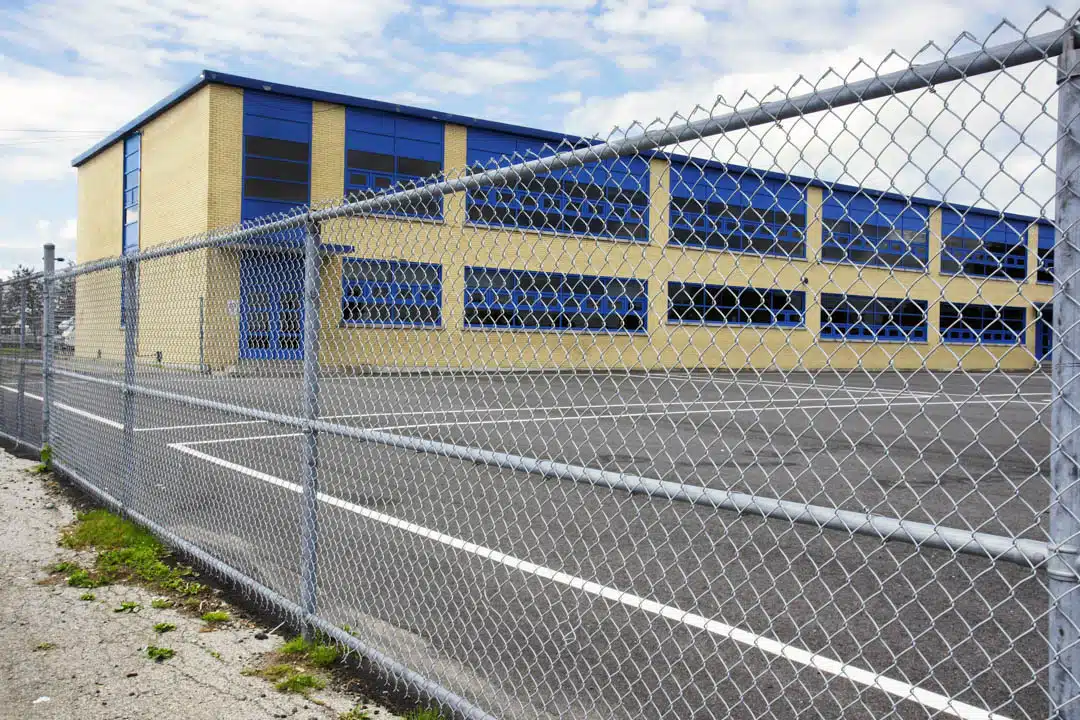
Fence installation for commercial properties in the Dallas-Fort Worth area involves a set of considerations that don't come up in residential fence projects — and choosing a fence contractor without understanding those differences produces installations that don't meet the functional, regulatory, or appearance requirements of commercial applications. The residential fence contractor who does excellent work on backyard cedar privacy fencing may not be equipped for the security requirements, permit complexity, and material specifications that commercial fence installation requires.
Here's what DFW business property owners, commercial real estate managers, and developers need to know about commercial fence installation — and what distinguishes a commercial-capable contractor from one whose expertise is primarily residential.
Why Commercial Fence Installation Differs From Residential
The differences between commercial and residential fence installation aren't just scale — though scale is a factor. They're differences in purpose, regulatory requirements, material specifications, and the specific functional demands that commercial applications place on fence systems.
Security function requirements: Commercial fencing often serves active security functions rather than the privacy and aesthetic functions that residential fencing primarily addresses. A fence securing a commercial equipment yard needs to deter and delay unauthorized entry — which means specific height requirements, anti-climb features, and access control integration that residential privacy fencing doesn't require. A fence enclosing a commercial parking facility needs to manage vehicle access patterns and pedestrian safety in ways that a residential fence never does.
Higher load and durability requirements: Commercial fence installations face more demanding operational conditions than residential ones. Vehicle contact from commercial vehicles, equipment operation near the fence line, higher wind load from larger open areas, and the generally more intensive activity of commercial environments all require more robust installation specifications than residential standard.
Regulatory and permitting complexity: Commercial fence installations in DFW municipalities typically involve more complex permitting than residential permits — zoning requirements, commercial building code compliance, accessibility requirements near pedestrian paths, and in some cases fire code requirements for access and egress affect commercial fence design and permitting in ways that residential permits don't encounter.
Coordination with other systems: Commercial fences frequently need to integrate with other property systems — security cameras and lighting that mount on fence posts or rails, automated gate operators with access control integration, drainage systems that the fence line needs to accommodate, and utility infrastructure that commercial properties have in more complex configurations than residential lots.
Material Selection for Commercial Fence Applications in DFW
The fence materials appropriate for commercial applications in DFW overlap with residential options but weight the selection criteria differently — durability and security profile take priority over the aesthetic and cost considerations that drive residential selections.
Chain link for commercial perimeter security: Chain link remains the most cost-effective commercial perimeter fencing solution for applications where security deterrence and property boundary definition are the primary functions. Commercial chain link installations differ from residential ones in gauge specification — heavier gauge wire provides more resistance to cutting and impact than residential-grade chain link — and in post and rail sizing that accounts for the larger fence sections and higher wind loads of commercial perimeter applications.
For DFW commercial properties that need to secure large perimeter areas — equipment yards, warehouse facilities, storage properties — chain link at appropriate commercial specifications provides strong functional performance at the most accessible price point of available commercial fencing materials.
Steel panel for commercial privacy and aesthetics: Steel panel fencing has become increasingly common for commercial properties in the DFW market that need privacy screening combined with a professional appearance — manufacturing facilities that want to screen equipment from public view, commercial properties where neighbor relations make visual screening appropriate, and retail or hospitality properties where fence aesthetics are part of the property presentation.
Commercial steel panel installations use heavier material specifications than residential — thicker gauge panels, larger post dimensions, and more robust framing than residential steel panel systems. The additional structural capacity is appropriate for the wind load and operational stress that commercial environments create.
Ornamental metal for commercial entrance and boundary features: Wrought iron and aluminum ornamental fencing for commercial front boundary treatment and entrance features follows the same material considerations as residential — with aluminum's rust resistance advantage being more significant in commercial environments where maintenance attention is less consistent than on owner-occupied residential properties.
Commercial ornamental fence installations often integrate with masonry columns, signage structures, and automated gate systems in ways that residential ornamental fencing doesn't — requiring design coordination that goes beyond standard fence installation scope.
Wood for commercial privacy screening: Wood privacy fencing for commercial applications — dumpster enclosures, equipment screening, employee areas — uses the same cedar materials as residential fencing but with structural specifications appropriate for commercial installation requirements. DFW Pressure Washing & Fence Staining LLC provides both commercial wood fence installation and ongoing staining maintenance that keeps commercial wood fencing in the maintained appearance condition that business properties require.
Commercial Gate Requirements: Access Control Integration
Gates on commercial properties serve functions that residential gates don't — managing vehicle access patterns, integrating with access control systems, and in many cases meeting code requirements for emergency egress that residential gates are never subject to.
Automated gate operators for commercial applications: Commercial automated gate systems operate at higher duty cycles than residential operators — a commercial parking facility gate that opens and closes dozens of times per day requires an operator rated for commercial duty cycle, not the residential-duty operators that are appropriate for a driveway gate that operates a handful of times daily. Specifying commercial-duty operators for commercial applications is a fundamental requirement that budget commercial fence contractors sometimes miss by applying residential-grade equipment to commercial-duty applications.
Access control integration: Commercial automated gates typically integrate with access control systems — keypad entry, card reader, intercom, or vehicle detection — that residential gates rarely require. The fence contractor installing a commercial automated gate needs to coordinate the gate operator installation with the access control system installation — understanding the conduit routing, power requirements, and control interface specifications that the access control system requires and ensuring the gate installation accommodates them.
Emergency access requirements: Commercial properties in most DFW municipalities are required to provide fire department access through perimeter fencing — typically through Knox Box key systems or through gate designs that fire department tools can defeat for emergency entry. Understanding the specific emergency access requirements of the municipality where the commercial fence is being installed is part of commercial fence permit compliance that residential installations don't face.
Commercial Fence Permitting in DFW: What Business Properties Face
Commercial fence permitting in DFW municipalities is typically more complex than residential permitting — and the complexity varies significantly between municipalities, requiring specific knowledge of each city's requirements rather than general residential permit experience.
Zoning compliance: Commercial fence height limits and placement requirements vary by zoning category in DFW municipalities — what's permitted in commercial industrial zones differs from what's permitted in commercial retail zones, and both differ from residential zoning requirements. Verifying that the planned fence installation complies with the specific zoning designation of the commercial property before permit application prevents the delays and modification costs that non-compliant designs create.
Commercial building code requirements: Commercial fence installations near building entrances and pedestrian paths may need to comply with commercial building code accessibility requirements — ensuring fence gates and pedestrian access points meet ADA clearance and hardware standards. These requirements don't apply to residential fence installations but are applicable to commercial properties with public access.
Site plan requirements: Commercial fence permits in many DFW municipalities require a site plan showing the fence placement in relation to property lines, buildings, utility easements, and other site features. Preparing this documentation is part of commercial permit application scope that residential permits rarely require — and having a fence contractor familiar with commercial permit documentation requirements speeds the application process.
Post Depth and Structural Specifications for Commercial Installations
Commercial fence installations require structural specifications that exceed residential standards — because the loads that commercial fences carry are greater than residential equivalents and because the consequences of structural failure in commercial applications are more significant.
Deeper post setting for commercial applications: Commercial fence posts should be set deeper than residential minimums — particularly for taller fence sections and for gates that carry higher loads from commercial vehicle movement and wind exposure on larger fence sections. DFW's expansive clay soil creates the same post stability challenges for commercial installations that it does for residential ones — with the additional consideration that commercial fence sections are typically larger and carry more wind load per post than residential privacy fence sections.
Larger post dimensions for commercial loading: Commercial fence posts are appropriately specified in larger dimensions than residential posts — the higher loads from larger fence sections, commercial vehicle proximity, and the integrated weight of security systems and cameras that mount on commercial fence posts require more structural capacity than residential standard post dimensions provide.
Concrete footing volume for commercial posts: Commercial post footings use more concrete than residential footings — the higher lateral and vertical loads that commercial installations carry require more bearing area to transfer forces safely into stable soil. Bell-bottom footings that provide additional resistance to vertical heave from DFW's clay soil are appropriate for commercial installations in the same way they are for residential, with the additional consideration that commercial post loads make adequate footing design even more consequential.
Maintenance Planning for Commercial Fence Installations
Commercial fence maintenance — staining for wood fencing, cleaning for all fence types, inspection for structural condition — follows the same fundamental schedule as residential maintenance but with the specific operational considerations that commercial properties require.
Scheduling around business operations: Commercial fence maintenance needs to be scheduled in ways that minimize operational disruption — working outside business hours, coordinating access through automated gate systems, and managing the activity and noise of maintenance operations near customer-facing areas. Commercial maintenance contractors who understand these scheduling requirements provide better service for business properties than residential-focused contractors who don't routinely manage commercial scheduling constraints.
Documentation for commercial maintenance: Commercial property maintenance records serve functions that residential records don't — supporting liability positions, satisfying insurer requirements, and providing the maintenance history that commercial property valuations and transactions increasingly require. Professional maintenance services that provide documented service records for each visit support commercial property management in ways that undocumented maintenance doesn't.
Professional Commercial Fence Installation Across the DFW Metroplex
DFW Pressure Washing & Fence Staining LLC provides commercial fence installation throughout the Dallas-Fort Worth area — including Kennedale, Arlington, Mansfield, Fort Worth, Grand Prairie, and surrounding communities.
We install chain link, steel panel, ornamental metal, wood, vinyl, and aluminum fencing for commercial applications — with material and structural specifications appropriate for commercial loading requirements, commercial gate systems with appropriate duty cycle and access control coordination, and permit management familiar with commercial requirements across DFW municipalities.
For commercial wood fence installations, we provide ongoing staining and maintenance services that keep commercial wood fencing in the maintained condition that business property presentation requires — on scheduling that works around commercial operations rather than assuming residential-style access.

Want to make sure your DFW commercial property's fence installation is specified, permitted, and installed to commercial standards — not residential specifications applied to a commercial application? DFW Pressure Washing & Fence Staining LLC handles commercial fence installation with the material specifications, structural engineering, and permit management that commercial properties require.
Get Your Free Estimate → dfwpressurewashing.net/contact-us

DFW Pressure Washing & Fence Staining LLC


