Blog
Concrete Sealing for New Patios in DFW: Getting Protection Right From the StartTITLE TAG: Sea
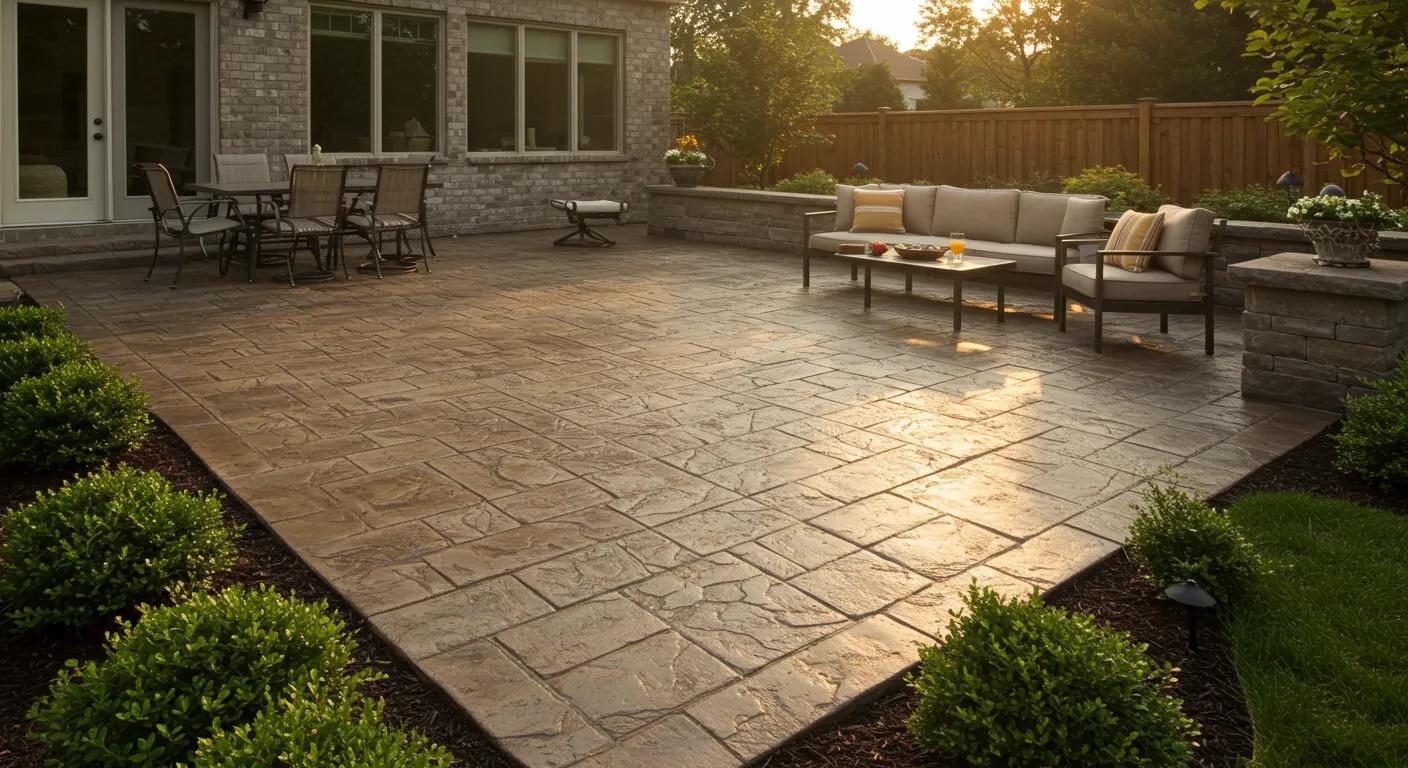
A new concrete patio is one of the most satisfying exterior improvements a DFW homeowner can make. The fresh surface looks clean, the color is consistent, and the outdoor living space it creates immediately improves how the property functions and feels. What most homeowners don't do — and what creates problems that show up within the first year — is seal the new patio at the right time and in the right way before the DFW climate begins doing what it does to every unprotected concrete surface in North Texas.
Getting concrete sealing right from the start on a new patio is significantly easier and less expensive than addressing the staining, biological growth, and surface damage that develops on an unsealed patio through its first year of DFW weather exposure. Here's exactly what new patio sealing involves — when to do it, how to prepare the surface, what product is appropriate, and what the consequences are of getting the timing wrong in either direction.
Why New Patio Concrete Needs Sealing Promptly
The assumption most homeowners make about new concrete is that its fresh condition is its most protected condition — the surface is clean, the material is solid, and nothing has had time to go wrong yet. This assumption misses the specific vulnerability of new concrete in the DFW climate.
New concrete is actually more porous than concrete that has been in service for several years. The surface hasn't been compacted by use, the pores are fully open, and the material is actively absorbing everything it contacts — moisture, contaminants, and the organic material from the environment around it. In DFW's climate, that means the new patio is absorbing pollen deposits from spring season, biological growth spores from the first rain events, and the organic material from the surrounding landscape.
Without sealing, these materials penetrate into the new concrete pores and begin the staining and biological growth processes that sealed concrete resists. The first DFW spring after a new patio installation is when biological growth establishes itself in the open pores — and growth established in the first season becomes the baseline from which subsequent seasons build. By year two on an unsealed patio, the biological growth that established in year one has spread and rooted more deeply, and the surface has developed the staining and discoloration that requires more aggressive treatment to address than simply sealing would have required originally.
The Curing Window: Why Timing Is Everything for New Concrete
The most important and most misunderstood aspect of new concrete sealing is timing — specifically, the curing period that new concrete requires before sealing is appropriate.
Freshly poured concrete undergoes a chemical process called hydration as it cures — the cement reacts with water to form the crystalline structure that gives concrete its strength. This process takes time — standard concrete mixes reach design strength at 28 days, which is the technical minimum for sealing in most product specifications. But the 28-day minimum is a floor, not a target. In DFW's variable climate, concrete poured during cooler or more humid periods may need longer to fully cure.
The practical indicator of cure completion is surface color. Concrete that is still curing appears lighter in color as it releases moisture through the surface. Fully cured concrete returns to a consistent, darker gray tone across the entire slab. Sealing before this color transition is complete — when the concrete is still releasing moisture — traps that moisture under the sealer and causes the clouding, bubbling, and adhesion failure that characterizes premature sealing.
Waiting too long is also a problem. A new patio that sits unsealed for six months or more has accumulated a season of pollen, biological growth spores, and organic deposits in its open pores. Sealing over these deposits bonds the contamination under the sealer rather than providing clean protection — and the biological growth that's been establishing in the unsealed surface continues to develop under the sealer layer. The right window for new patio sealing in DFW is after full cure — typically 28 to 60 days depending on conditions — and before significant surface contamination accumulates.
Preparing a New Patio for First Sealing
New concrete preparation before first sealing is different from preparation for maintenance resealing of an older surface — and understanding the differences ensures the first seal application delivers full protection.
Cleaning construction residue: New patios come from the installation process with surface residue — concrete dust from finishing work, form release compounds if forms were used, curing membrane residue if a chemical curing compound was applied, and the general construction activity contamination from the installation process. These residues affect sealer bonding if they're not removed before application.
Professional pressure washing specifically designed to address construction residue — at appropriate pressure for new concrete that hasn't been hardened by years of use — removes these contaminants and creates the clean surface that allows sealer to bond correctly across the full patio area. New concrete should be washed at lower pressure than aged concrete — the surface is softer and more susceptible to surface damage from high-pressure washing before it has been hardened by service.
Removing curing membrane if present: Some concrete contractors apply a chemical curing membrane to new concrete to slow surface evaporation during the curing process — this is a legitimate technique that can improve concrete strength. The issue for sealing is that most curing membrane products are incompatible with most sealers — the membrane blocks sealer penetration and adhesion. If a curing membrane was applied to your new patio, it needs to be fully removed before sealing — either through chemical stripping with an appropriate curing membrane remover or through mechanical means like light grinding.
Ask your concrete contractor specifically whether a curing membrane was applied and what product was used. This information determines whether additional prep is needed before sealing and saves the frustration of discovering adhesion failure after sealing over an unidentified membrane.
Efflorescence management: New concrete often develops a light efflorescence deposit in the weeks after installation — the white, chalky mineral deposits that form as salts migrate to the surface during curing. Light efflorescence that appears during the curing period typically diminishes on its own as the curing process completes and surface salt migration slows. Significant efflorescence should be addressed with appropriate acid treatment before sealing — sealing over active efflorescence deposits causes adhesion failure in affected areas and allows the salt migration to continue disrupting the sealer layer from below.
Drying time after cleaning: The same drying time requirement that applies to maintenance sealing applies to new patio sealing — 24 to 48 hours of dry weather after pressure washing before sealer application. New concrete that has absorbed water during cleaning needs this drying period to return to the moisture level appropriate for sealer application.
Product Selection for New DFW Patio Sealing
The sealer product appropriate for a new patio depends on the patio's design, intended use, and appearance goals — and getting the product selection right at first application sets the maintenance standard for every subsequent resealing cycle.
Penetrating sealers for standard concrete patios: For standard gray concrete patios where the primary goal is moisture protection and stain resistance without significant appearance change, penetrating silane-siloxane sealers are the most appropriate first application. These products close the concrete pores from within, providing strong moisture and stain resistance without altering the natural appearance of the concrete surface. They're also the most forgiving of minor timing and application variations — characteristics that matter for a first application on a new surface.
UV-stabilized topical sealers for decorative patios: For new patios with decorative finishes — stamped concrete, exposed aggregate, colored concrete — a UV-stabilized acrylic topical sealer that enhances color while protecting the decorative surface is the appropriate product. As discussed in the stamped concrete sealing blog, UV stabilizer content is the most important performance characteristic for decorative concrete in the DFW climate. The first sealer application on a decorative patio sets the color tone and protective standard — using a quality UV-stabilized product from the start delivers better long-term color maintenance than starting with a budget product and upgrading at resealing.
Anti-slip consideration for patio sealing: Any patio adjacent to a pool, water feature, or outdoor kitchen where the surface regularly gets wet should include anti-slip additive in the sealer specification. This is as relevant for a new first application as for maintenance resealing — establishing the anti-slip standard at first application ensures the patio is safely finished from the beginning rather than creating a slippery surface that then needs to be corrected.
What Happens on New Patios That Don't Get Sealed in the First Year
For DFW homeowners who have missed the optimal first-year sealing window — or who are considering whether to delay sealing — understanding what specifically develops on unsealed new concrete in the North Texas climate helps frame the urgency of the decision.
Biological growth in open pores: The most significant first-year development on unsealed new patio concrete in DFW is biological growth establishment. Spring and fall provide the moisture and temperature conditions that allow algae, mildew, and mold to colonize the open pores of new concrete. Once established, this growth roots into the pore structure and becomes progressively harder to fully remove — the difference between first-year growth addressed promptly and second-year growth that has had two seasons to establish is significant in terms of how thoroughly professional cleaning can remove it and how quickly it re-establishes after cleaning.
Vehicle and equipment staining from construction activity: New patio concrete that's exposed to ongoing construction activity — landscaping installation, other exterior projects — accumulates equipment fluid staining, oil deposits, and construction material staining that bonds into new concrete's particularly open pore structure faster than it would on older, denser concrete. These stains become permanent features of the patio if they're not addressed before sealing.
Surface discoloration from organic deposits: Leaf tannin staining, pollen deposits, and organic material from adjacent landscape beds all penetrate new concrete's open pores more readily than they would a sealed or aged surface. A new patio that goes through one DFW fall season without sealing often develops the leaf shadow staining and organic discoloration that makes the surface look like it's been installed for years before its first birthday.
First Sealing as the Foundation for Long-Term Patio Maintenance
The first sealing application on a new DFW patio does more than protect the surface from the immediate threats described above — it establishes the maintenance baseline for the entire service life of the patio.
A patio sealed correctly at first application is easier to maintain at every subsequent resealing cycle. The biological growth that was prevented from establishing in open pores doesn't need to be killed and removed before resealing — routine maintenance cleaning is adequate preparation. The staining that didn't penetrate the sealed surface doesn't need aggressive pre-treatment to remove before the new sealer coat is applied. The patio goes into its first maintenance cycle in better condition than an unsealed patio that accumulated contamination through its first year.
This baseline effect compounds over the patio's life. A patio that starts protected and is maintained consistently stays in better condition at every subsequent maintenance point than a patio that started unprotected and has been playing catch-up since the first season. By year ten, the difference between a patio sealed from the start and one that wasn't sealed until year two or three is visible in surface condition, appearance consistency, and the scope of prep work each maintenance cycle requires.
Professional New Patio Sealing Across the DFW Metroplex
DFW Pressure Washing & Fence Staining LLC provides new concrete patio cleaning and seal and protect services throughout the Dallas-Fort Worth area, including Kennedale, Arlington, Mansfield, Fort Worth, Grand Prairie, and surrounding communities.
Every new patio sealing project starts with assessment of the specific concrete and any curing membrane or construction residue conditions that affect prep requirements. We pressure wash at appropriate settings for new concrete, address efflorescence and construction residue specifically, and apply sealer in the correct product and timing window for each patio's specific conditions and design.
For homeowners who have just had a new patio installed, we coordinate the sealing service timing with the construction completion — scheduling the assessment and service appointment at the right point in the curing window rather than waiting for the homeowner to remember to call.

Want to make sure your new DFW concrete patio gets sealed at the right time, with the right prep, and with the right product to establish the protection baseline that every subsequent maintenance cycle builds on? DFW Pressure Washing & Fence Staining LLC assesses new patio concrete for sealing readiness and schedules the first seal and protect service in the correct window — after full cure, before significant contamination accumulates, and in the application conditions that allow the sealer to bond correctly from the first coat.
Get Your Free Estimate → dfwpressurewashing.net/contact-us
DFW Pressure Washing & Fence Staining LLC


