Blog
Custom Gates in DFW: What to Consider Before You Install One
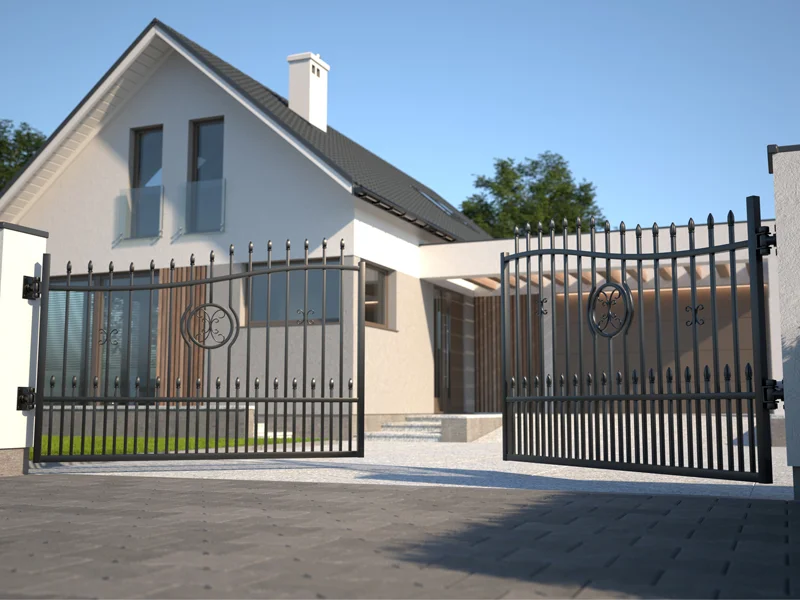
Gates are the most mechanically demanding component of any fence system — and the component that most frequently becomes a problem when the installation decisions that determine gate performance weren't thought through carefully before the first post went in the ground. A fence that requires minimal attention for years can have a gate that's sagging, binding, or failing to latch within a few seasons if the gate wasn't specified and installed correctly for what it's expected to do.
The decisions that determine whether a DFW gate performs well through years of regular use or becomes a recurring maintenance problem are made before installation — in the specification stage where post sizing, hardware selection, operator choice, and structural design are determined. Here's what every DFW homeowner needs to consider before installing a custom gate.
Start With Function: What Is This Gate Actually Going to Do?
The first question for any gate specification is functional — what does this gate need to do, how often does it need to do it, and what loads does it need to handle? Every other specification decision follows from honest answers to these questions.
Pedestrian walk gates: Used primarily for foot traffic — entering and exiting the rear yard, allowing service access, providing passage between yard sections. Pedestrian gates are typically narrower than vehicle gates — 36 to 48 inches is the standard range for single pedestrian gates — and carry lighter loads than vehicle gates. Standard residential hardware appropriate for the gate's weight and dimensions performs adequately for pedestrian applications.
Single vehicle drive gates: Used for vehicle access — typically for side yard access to a rear garage, RV storage, boat storage, or work vehicle access. Single vehicle gates require 10 to 12 feet of clear opening for standard vehicle passage. The gate weight for a single vehicle gate covering this opening is significant — particularly for wood privacy fence gates that carry solid panel construction across the full opening width. Hardware specification for single vehicle gates needs to account for actual gate weight rather than standard residential hardware ratings.
Double vehicle drive gates: For openings wider than single vehicle gate width — used for wider vehicles, tandem parking access, or applications where a larger clear opening is needed. Double drive gates split the opening into two panels that meet at the center. Each panel carries approximately half the total gate weight, but the structural requirements for the posts at each side of the opening are significant — gate posts for wide double drive installations carry some of the highest loads of any fence post on the property.
Pool enclosure gates: Gates in pool enclosure fencing have specific code requirements in most DFW municipalities — self-closing and self-latching hardware is typically required, with the latch positioned to prevent young children from operating it. Pool gate specifications need to satisfy both the functional requirements and the code compliance requirements simultaneously.
Commercial or high-traffic gates: Gates that will be operated many times per day — commercial property access gates, shared access gates serving multiple users — need operator-rated hardware appropriate for the duty cycle rather than residential hardware that's designed for the lower operation frequency of residential applications.
Gate Post Sizing and Depth: The Structural Foundation
Gate posts carry more load than line posts — the dynamic load of gate weight swinging through its arc, the static load of the gate hanging from the hinge post, and the impact load from gates that close forcefully or from wind loading on large gate panels. Undersized gate posts and inadequate post depth are the leading causes of gate failure in DFW fence installations.
Post dimension for gate applications:
Standard line posts for wood privacy fencing in DFW are typically 4x4 dimensional lumber. Gate posts — both the hinge post and the latch post — should be stepped up to 6x6 dimensional lumber for standard walk gates and for all vehicle gates. The additional cross-section provides the structural capacity to resist the bending moment that gate weight and swing creates at the post base.
For wide double vehicle gates, 6x6 posts are the minimum and some installations benefit from 8x8 posts or steel post substitutions at the gate opening — particularly when automated operators are adding their own weight and mechanical loads to the gate system.
Post depth for gate applications:
Gate posts should be set deeper than line posts — 42 to 48 inches below grade is appropriate for standard walk gates, with deeper settings for vehicle gate posts that carry higher loads. In DFW's expansive clay soil, the lateral force from clay movement acts on gate posts with the same force it acts on line posts — but the additional gate load that gate posts carry makes the consequence of post movement more immediately significant. A line post that shifts slightly from clay movement produces a slightly wavy fence line. A gate post that shifts produces a gate that no longer functions.
Bell-bottom footings are particularly appropriate for gate posts — the additional resistance to vertical heave that belled footings provide is most valuable at the posts carrying the highest loads.
Hardware Selection: The Most Consequential Gate Decision
Gate hardware is where the most budget-driven shortcuts in DFW fence installation occur — and where those shortcuts produce the most immediate and most visible failures. Hardware that was never appropriate for the gate it's supporting fails quickly and conspicuously.
Hinge sizing and load rating:
Hinges must be sized for the actual weight of the gate panel they support — not for the gate's nominal size or appearance. A six-foot-tall board-on-board cedar gate panel that's four feet wide weighs significantly more than most homeowners estimate. Undersized hinges that are specified for gates lighter than the actual installation load deflect from day one — the gate sags immediately after installation rather than years later, and the sag progressively worsens as the undersized hinges yield further under sustained load.
The correct approach is calculating or estimating the actual gate panel weight based on the wood species, board dimensions, panel area, and hardware weight — and selecting hinges with a load rating that exceeds that weight by an appropriate safety margin. Professional fence contractors who handle custom gate work regularly have this calculation built into their specification process.
Latch type and placement:
Gate latch selection depends on the security requirement, the gate size, and any code requirements that apply to the installation. Standard spring latches appropriate for pedestrian gates don't provide adequate security for vehicle gates where the gate is the primary perimeter security element. Heavy-duty cane bolt latches that engage into a ground socket provide strong holding for double gate panels. Pool enclosure latches must satisfy the self-latching and child-resistant access requirements that most DFW municipalities specify.
For gates where security is a primary concern — vehicle gates, rear yard gates in areas where perimeter security matters — discussing the specific security requirements with the contractor before hardware is specified ensures the hardware addresses the actual need rather than defaulting to standard residential latch products that may not provide adequate holding.
Anti-sag hardware for wider gates:
Gates wider than 48 inches benefit from anti-sag cable or rod systems — diagonal tension members that resist the racking force that causes wide gates to sag over time. Even correctly sized hinges can allow a wide gate to sag as the wood dries and the gate frame experiences the dimensional changes that DFW's seasonal moisture cycling causes. Anti-sag hardware is a modest addition to wide gate installations that preserves gate geometry through the seasonal movement that would otherwise allow progressive sag development.
Automated Gate Operators: When to Consider Them and What They Require
Automated gate operators for residential DFW installations — electric motors that open and close gates via remote control, keypad, or vehicle detection — are increasingly common on vehicle gate installations where the convenience of not exiting the vehicle to operate the gate has clear appeal.
When automated operators make sense:
Vehicle gates used regularly — the primary entry gate for a property where multiple vehicles come and go daily — benefit most from automation. The convenience return is highest when the gate is operated frequently and manually operating it would require stopping the vehicle, exiting, operating the gate, re-entering the vehicle, and driving through.
High-security applications where the gate is both an access control and a security element benefit from the keypad or access card systems that automated operators integrate with — providing documented access control rather than the unrestricted access that an unattended manual gate allows.
What automated operators require from the gate installation:
Automated operators add weight and mechanical loads to the gate system that the gate structure needs to accommodate. The gate post, the gate frame, and the hinge system must be appropriate for the operator's weight and the dynamic loads of motorized operation — including the forces that occur if the gate encounters an obstruction during operation.
Underground operators — buried in the ground at the gate hinge location — require specific installation depth and conduit routing that needs to be planned before installation begins rather than retrofitted after. Above-ground operators — mounted on the gate post — require post hardware mounting points and conduit routing for the operator's power supply.
Power supply planning is part of every automated gate installation — the operator needs a reliable electrical supply that either runs from an existing circuit or requires new conduit and wiring from a circuit panel. Discussing power supply availability and routing before installation begins prevents the discovery mid-installation that the power supply path is more complicated than assumed.
Wood Gates and the Staining Maintenance Connection
Cedar wood gates in DFW fence systems have the same staining maintenance requirements as the fence boards adjacent to them — with several specific considerations that make gate surfaces higher priority for prompt and thorough staining.
Gates face more intensive moisture and UV exposure:
Gates are the most frequently handled fence component — they're opened, closed, and touched more often than any fence section. The handling activity abrades stain protection at latch and handle contact points faster than static fence sections experience depletion. Gates also face specific exposure conditions at their base — the base rail and the bottom edge of gate boards are often in proximity to concrete or soil that splashes onto the gate during rain events.
Gate face and edge coverage:
Both faces of a gate panel need staining coverage — the exterior face and the interior face that faces the yard. The edge grain at the top and bottom of gate boards is end grain — the highest moisture absorption surface on any board — and needs specific stain coverage during application. Gates that are stained on the exterior face only without specific attention to interior face and edge grain coverage are protected on one side and vulnerable on the other.
Hinge and hardware protection:
The areas around gate hinges and latches — where hardware fasteners penetrate the wood — are high-moisture-entry points. Stain coverage that specifically addresses the areas around hardware fasteners reduces the moisture intrusion at these penetration points that accelerates wood deterioration around the fastener holes.
The HOA Gate Compliance Dimension
Gates in DFW HOA communities need to comply with the same HOA requirements as the fence they're installed in — and in some cases HOA guidelines include specific gate requirements that aren't obvious from the general fence section of the community documents.
Maximum gate width restrictions, required gate height alignment with adjacent fence height, hardware finish specifications that match or complement other community metalwork, and automated gate operator specifications that affect community visual standards are all elements that appear in HOA fence guidelines in some DFW communities.
Confirming that every gate specification — size, material, hardware, and any automation — complies with HOA requirements before installation begins prevents the modification or removal costs that post-installation HOA compliance issues create.
Professional Custom Gate Installation Across the DFW Metroplex
DFW Pressure Washing & Fence Staining LLC installs custom gates — walk gates, single vehicle gates, double drive gates, and pool enclosure gates — throughout the Dallas-Fort Worth area, including Kennedale, Arlington, Mansfield, Fort Worth, Grand Prairie, and surrounding communities.
Every gate installation includes post sizing appropriate for the gate load, depth specification appropriate for DFW clay soil conditions, hardware selection based on actual gate weight and duty cycle, anti-sag specification for appropriate gate widths, and HOA compliance confirmation before installation begins.
For cedar wood gate installations, we schedule staining at the appropriate timing window from installation — coordinating gate staining with the surrounding fence staining cycle to ensure consistent color and protection across the full fence system.

Want to make sure your DFW custom gate is specified and installed for the load, the duty cycle, and the performance requirements it actually needs — with the post depth, hardware sizing, and structural design that produces a gate that performs for years rather than one that sags and fails within a season? DFW Pressure Washing & Fence Staining LLC designs and installs custom gates as integrated components of fence systems built to DFW conditions.
Get Your Free Estimate → dfwpressurewashing.net/contact-us
DFW Pressure Washing & Fence Staining LLC


