Blog
Fence Installation for Wrought Iron and Aluminum in DFW: What Homeowners Need to Know Before Choosing Ornamental Metal
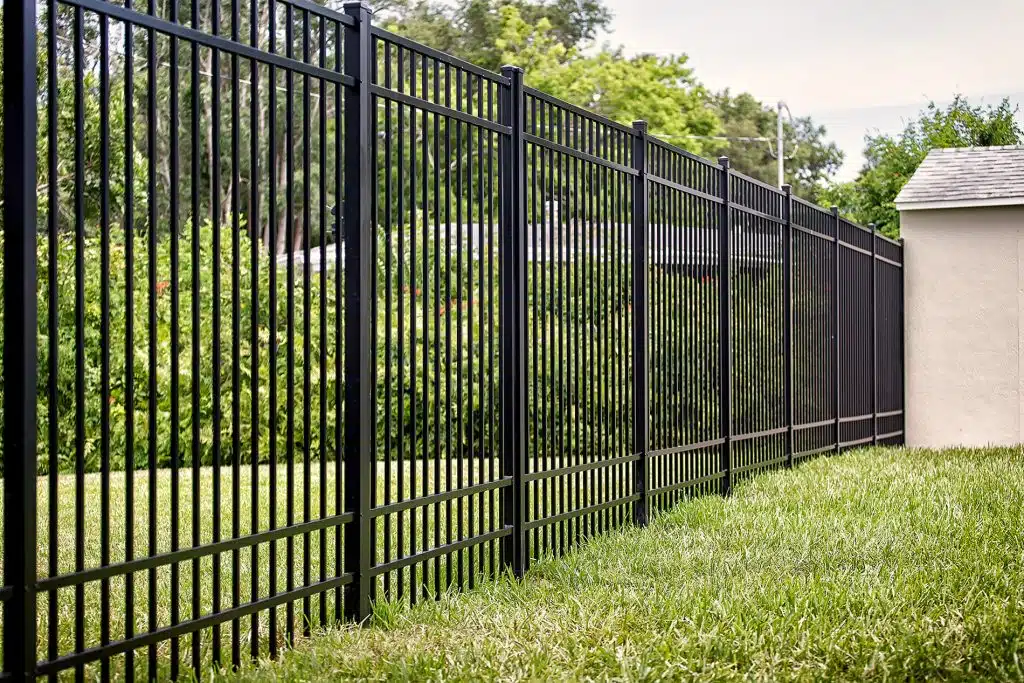
Ornamental metal fencing — wrought iron and aluminum — occupies a specific niche in the DFW residential fencing market. It's the material of choice for front yard boundary fencing, pool enclosures, and entry gates where visibility, architectural character, and formal aesthetics matter more than the complete visual privacy that wood and vinyl provide. Both materials deliver the ornamental appearance that makes this fence category distinctive. How they perform in North Texas conditions over time is where the comparison becomes important.
Most DFW homeowners who are considering ornamental metal fencing ask the same initial question: wrought iron or aluminum? The answer depends on where the fence will be installed, what conditions it will face, how much ongoing maintenance the homeowner wants to manage, and what budget is available. Here's what the comparison actually looks like for DFW residential applications.
What Makes Ornamental Metal Fencing Different From Other Options
Before comparing wrought iron and aluminum specifically, it helps to understand what makes ornamental metal fencing the right choice in certain applications and the wrong choice in others — because both materials share characteristics that distinguish them from wood, vinyl, and steel panel.
Visual character: Ornamental metal fencing is the most architecturally formal fence category. The vertical picket profiles, decorative finials, and optional scrollwork and collar details of quality ornamental metal create a fence that reads as a design element rather than just a boundary. For DFW homes where the fence is prominently visible from the street — front yard applications, corner lots, properties with significant street presence — the architectural character of ornamental metal enhances the home's formal exterior in ways that other materials don't.
Visibility through the fence: Unlike wood privacy fencing and vinyl privacy panels, ornamental metal fencing provides visibility from both sides. This is an asset in specific applications — pool enclosures where adults need to see into the pool area from inside the home, front yard fencing where visibility to the street is preferred, and driveway entries where the approach should be visible to arriving vehicles. It's a limitation in applications where privacy is the primary function — ornamental metal is not the right choice for rear yard privacy fencing.
Durability profile: Both wrought iron and aluminum are significantly more durable under impact than wood or vinyl. They don't crack, split, or deteriorate from UV and moisture the way wood does. Their durability is structural and material-based rather than maintenance-dependent — the fence remains structurally sound without the staining and treatment cycles that wood requires.
Wrought Iron: What It Is and How It Performs in DFW
Wrought iron fencing is steel fabricated into ornamental fence components — the term "wrought iron" is used loosely in the residential market to describe what is technically mild steel rather than the historical wrought iron material, but the distinction is largely academic for residential fence performance.
The rust consideration: Steel corrodes in the presence of moisture and oxygen — it rusts. This is the primary maintenance consideration for wrought iron fencing in DFW, and it's the consideration that drives many homeowners toward aluminum as an alternative. DFW's seasonal moisture — particularly spring and fall — creates corrosion-favorable conditions, and the cuts and welds in fabricated steel fence components create rust initiation points that need periodic attention.
Wrought iron fencing that's properly finished and maintained can manage the rust concern effectively. Factory powder coat application provides an initial barrier that resists corrosion. Periodic inspection for chips, scratches, and areas where the powder coat has been compromised — followed by touch-up painting to seal exposed steel — prevents the localized corrosion that spreads from unprotected cut and weld points.
For DFW homeowners willing to manage this maintenance requirement — annual inspection and periodic touch-up, potentially every few years for a comprehensive refinishing — wrought iron provides decades of service. For homeowners who prefer lower-maintenance options, the rust management requirement is a genuine ongoing commitment.
Weight and strength: Wrought iron's steel fabrication makes it significantly heavier than comparable aluminum fence components. This weight creates specific installation requirements — gate hardware needs to be rated for actual steel gate weight, which is substantially more than aluminum gate weight, and post setting needs to account for the higher structural loads that heavy steel gates and panels create.
The strength advantage of steel over aluminum is most relevant in security applications — steel fence panels and gates provide better forced-entry resistance than aluminum equivalents. For applications where security is a primary function alongside aesthetics, steel's strength is a meaningful advantage.
Customization range: Wrought iron fabrication supports the widest range of custom ornamental detail available in any fence material. Complex scrollwork, custom picket profiles, decorative collars, and architectural elements that would be impractical in other materials are achievable in steel fabrication. For DFW properties where the fence is a significant architectural feature — Mediterranean or Spanish colonial homes where custom wrought iron is part of the property's design character — this customization range is genuinely valuable.
Aluminum: What It Is and How It Performs in DFW
Aluminum ornamental fencing uses extruded aluminum components fabricated into fence panels and gates that replicate the visual profile of wrought iron at significantly lower weight and without the rust concern.
The corrosion resistance advantage: Aluminum doesn't rust. Aluminum oxide — the product of aluminum's natural oxidation — forms a protective layer on the aluminum surface that actually inhibits further corrosion rather than accelerating it the way iron oxide does on steel. In DFW's moisture-active climate, this corrosion resistance is a significant practical advantage — aluminum fencing in a pool enclosure environment or adjacent to irrigation systems performs consistently without the rust management that steel requires.
This is the primary reason aluminum has gained substantial market share from wrought iron in DFW residential applications over the past two decades — the combination of lower maintenance and comparable appearance addresses the most common objection to ornamental metal fencing.
Weight advantages: Aluminum is significantly lighter than steel at comparable dimensions. This weight advantage creates real installation and operational benefits. Gate hardware for aluminum gates can be specified for actual aluminum gate weight rather than steel gate weight — reducing hardware cost and reducing the structural demands on gate posts. Automated gate operators for aluminum gates can use lower-capacity operators than steel gates would require.
Strength limitations: Aluminum is less dense than steel and has lower impact resistance. For applications where the fence provides security as a primary function — where the fence needs to resist forced entry rather than just deter it — aluminum's lower strength relative to steel is a relevant consideration. Aluminum ornamental fencing provides visual deterrence and the formal appearance of security without the forced-entry resistance that steel provides.
For standard residential ornamental applications — front yard boundary fencing, pool enclosures, decorative driveway entries — aluminum's strength is entirely adequate. For commercial security applications or high-security residential applications, steel is the appropriate choice.
Grade variation in the DFW market: Aluminum ornamental fencing quality varies significantly — residential grade, commercial grade, and industrial grade aluminum components differ in wall thickness, picket diameter, and finish quality in ways that affect durability and appearance. DFW homeowners comparing aluminum fence quotes should confirm the specific grade being quoted — residential grade aluminum at low price points is meaningfully different from commercial grade aluminum at higher price points in ways that show up in long-term performance.
Where Each Material Performs Best in DFW Applications
The comparison between wrought iron and aluminum isn't a universal verdict for all applications — it's a situational assessment based on where the fence is installed and what it needs to do.
Applications where aluminum is typically the better choice:
Pool enclosures are the clearest aluminum advantage application in DFW. The pool environment's combination of moisture, pool chemicals, and the proximity of water that accelerates corrosion on unprotected steel makes aluminum's corrosion resistance a genuine performance advantage. Aluminum pool enclosure fencing maintains its appearance and protective coating without the rust management that steel in the same environment would require.
Irrigation-adjacent fence sections — front yard fencing that regularly receives irrigation overspray, side yard fencing adjacent to lawn irrigation zones — face the same accelerated corrosion conditions that make aluminum preferable in pool environments. The repeated moisture contact that irrigation creates is exactly the condition that initiates rust on powder-coated steel where the coating has any imperfection.
Applications where wrought iron is typically the better choice:
High-security applications where the fence is a functional security barrier benefit from steel's superior forced-entry resistance. Properties where the investment in custom ornamental detail — complex scrollwork, custom architectural elements — warrants the premium that custom steel fabrication commands over standard aluminum profiles.
Properties with Mediterranean or Spanish colonial architecture where custom wrought iron is the architecturally appropriate material — the weight, visual mass, and customization range of steel fabrication creates the aesthetic that these architectural styles call for in ways that standard aluminum profiles don't fully replicate.
Finish and Color: What Lasts in DFW Conditions
Both wrought iron and aluminum ornamental fencing are finished with powder coat — the electrostatic application of colored polymer powder that's then cured at high temperature to create a durable surface coating. The quality and durability of powder coat application varies between manufacturers and fabricators, and the difference matters more in DFW's UV and moisture conditions than it would in milder climates.
Black powder coat: The most common and most universally appropriate finish for ornamental metal fencing in DFW. Black reads as intentional and architectural across virtually every home style, it hides minor surface imperfections better than lighter colors, and it's available from the widest range of fabricators which means more competitive pricing.
Bronze and dark brown finishes: Strong alternatives for homes with warm exterior palettes — brick, warm stone, tan stucco. The warm metal tone complements these materials naturally. Less universally available than black, which sometimes means a premium.
Color fading under DFW UV: Light-colored powder coat finishes — white, tan, gold — fade more visibly under DFW's UV exposure than dark finishes. If a light finish is desired for a specific application, confirming that the powder coat formulation includes UV stabilizers appropriate for Texas UV intensity is worth the specific inquiry.
Touch-up paint for wrought iron: For steel wrought iron fencing, the touch-up paint used to address powder coat chips and scratches needs to match the original powder coat color and provide adequate rust inhibition at the repaired area. Using a high-quality rust-inhibiting primer before the color touch-up coat at any exposed metal point is the maintenance practice that prevents localized corrosion from spreading.
Post Depth and Installation for Ornamental Metal in DFW
The post depth considerations for ornamental metal fence installation in DFW follow the same DFW clay soil logic as wood fence installation — with specific adjustments for the weight and load characteristics of metal fence panels and gates.
Line post depth: Standard ornamental metal fence panel weight is lower than wood privacy fence panel weight — the open picket construction of ornamental metal creates less wind load per panel section than solid wood board-on-board construction. Post depth appropriate for DFW clay soil conditions — 36 inches minimum — provides adequate stability for standard ornamental metal fence sections.
Gate post depth: Gate posts for ornamental metal carry the same load considerations as any gate post — the weight of the gate cantilevered off the hinge post, the dynamic load from gate swing, and for steel gates the significantly higher panel weight compared to aluminum. Gate post depth of 42 to 48 inches and 6x6 post dimension are appropriate minimums for ornamental metal gate installations in DFW conditions.
Professional Ornamental Metal Fence Installation Across DFW
DFW Pressure Washing & Fence Staining LLC installs wrought iron, aluminum, and ornamental metal fencing throughout the Dallas-Fort Worth area — including Kennedale, Arlington, Mansfield, Fort Worth, Grand Prairie, and surrounding communities.
Every ornamental metal installation includes HOA requirement confirmation before installation begins, utility locate coordination, post depth specification appropriate for DFW clay soil conditions, and hardware specification matched to actual gate weight for all gate installations. We provide honest guidance on wrought iron versus aluminum for each specific application — recommending the material that performs best in the conditions of your specific property rather than defaulting to whichever option is simpler to install.

Want to make sure your DFW ornamental metal fence installation uses the right material for your specific application — with post depth, hardware specification, and finish appropriate for North Texas conditions? DFW Pressure Washing & Fence Staining LLC walks through the wrought iron versus aluminum comparison during the property estimate and gives you a recommendation based on your property, your HOA requirements, and the conditions your fence will actually face.
Get Your Free Estimate → dfwpressurewashing.net/contact-us
DFW Pressure Washing & Fence Staining LLC


