Blog
Fence Installation Mistakes That DFW Homeowners Regret — and How to Avoid Every One
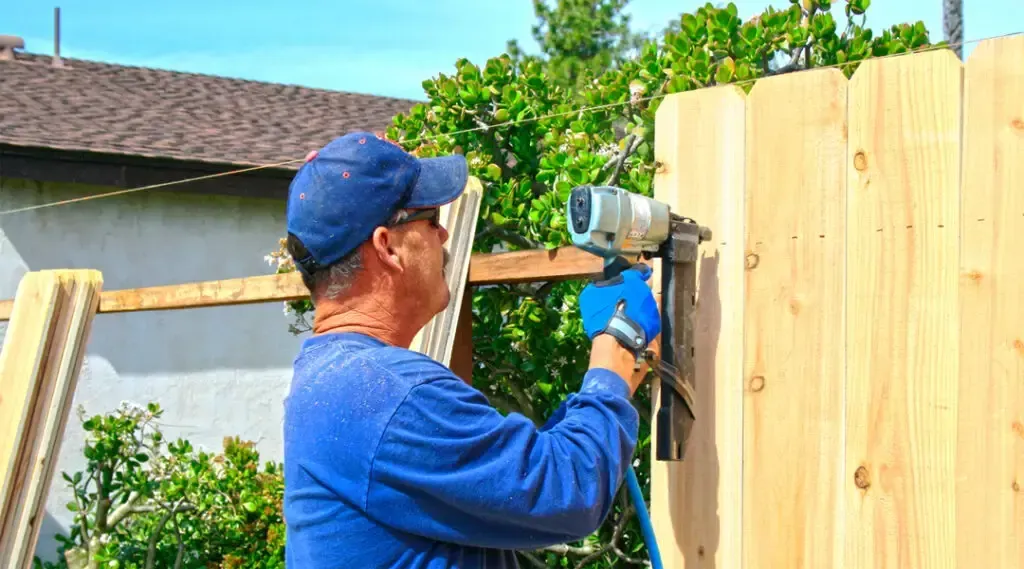
Fence installation mistakes in the Dallas-Fort Worth area tend to be discovered after the fence is in the ground — which is exactly the worst time to discover them. A post that was set at inadequate depth reveals itself when it starts leaning two seasons later. An HOA compliance issue reveals itself when the violation notice arrives. Gate hardware that was undersized reveals itself when the gate sags within the first year.
These regrets are consistent enough across DFW fence projects to document specifically — and to trace back to the decisions that produced them. Here's every major fence installation mistake that DFW homeowners make and what correct installation looks like instead.
Mistake One: Not Confirming HOA Requirements Before Installation
The most immediately consequential fence installation mistake in DFW's HOA-dense residential market is installing a fence before confirming — in writing — that it complies with the community's specific requirements. HOA fence guidelines in DFW communities address material, height, style, color, and setback requirements that aren't always obvious from a general reading of the community documents.
The consequence: a completed fence installation that receives a violation notice requiring modification — changing material, reducing height, adjusting setback, or in some cases removing the fence entirely. Every modification cost is the homeowner's responsibility regardless of what the contractor suggested was appropriate.
What correct looks like: Obtain written confirmation of all applicable HOA fence requirements before any installation is scheduled. Read the full guidelines — not just the material section — to confirm compliance with height restrictions, style specifications, color requirements, and setback rules. If the guidelines are unclear on any point, get written clarification from the HOA architectural review committee rather than assuming.
Mistake Two: Not Calling 811 Before Digging
Fence post hole digging without a completed utility locate is the most dangerous fence installation mistake — and the most entirely avoidable. Striking a gas line during post installation is a life-safety emergency. Striking an electrical conduit creates shock hazard and service disruption. Striking a water main creates flooding and expensive repair that the homeowner is legally liable for.
In Texas, calling 811 before any excavation is legally required. The service is free. The locate process takes three business days. There is no situation where the risk of proceeding without completed utility locates is justified.
What correct looks like: 811 is called a minimum of three business days before any post hole digging begins. Digging does not start until utility markings are complete and the full fence line has been walked to confirm no conflicts. Any contractor who proposes beginning installation without completed utility locates is creating liability exposure that the homeowner bears.
Mistake Three: Minimum Post Depth in DFW Clay Soil
The standard minimum post depth guideline — one-third of post length below grade — was developed for average soil conditions. In DFW's expansive clay, minimum depth posts have most of their below-grade section in the high-movement upper soil layer where seasonal moisture variation is most extreme. The result is posts that progressively lean as clay swells and contracts around them — sometimes beginning within two to three years of installation.
What correct looks like: 36 inches minimum below grade for line posts in DFW clay, 42 to 48 inches for gate posts. Bell-bottom footings that are wider at the base than the shaft provide additional resistance to vertical heave. These specifications address the specific soil conditions of North Texas rather than applying generic minimum standards that fail in expansive clay.
Mistake Four: Undersized or Wrong-Material Gate Hardware
Gates are the most mechanically stressed fence component and the component most consistently under-specified in budget installations. Hinges undersized for the actual gate weight deflect from installation day — the gate sags progressively as undersized hinges yield under sustained load. Standard zinc-plated hardware corrodes within a few DFW wet seasons, and rust expansion stresses the surrounding wood as it corrodes.
What correct looks like: Hardware specified by load rating for the actual gate weight — not by appearance or price. Hot-dipped galvanized or stainless steel fasteners throughout. Gate posts set deeper and in larger dimension than line posts to carry the higher gate loads.
Mistake Five: Wrong Post Material for Below-Grade Conditions
Untreated pine posts in DFW's moisture-retaining clay soil begin showing rot at the post base within three to five years. The combination of moisture-active clay, organic material in the soil, and the fungal decay organisms that thrive in this environment attacks unprotected wood systematically at the below-grade transition zone.
What correct looks like: Cedar posts with natural decay resistance, or pressure-treated posts with appropriate ground-contact treatment rating. Post material specification should be confirmed explicitly in the quote — not assumed from visual inspection of delivered lumber.
Mistake Six: Installing Before Existing Posts Are Fully Extracted
Old fence removal that cuts existing posts at grade level rather than extracting them leaves below-grade post remnants and concrete footings that interfere with new post placement, create inconsistent soil conditions for new installation, and continue deteriorating below the new fence.
What correct looks like: Complete extraction of existing post remnants and concrete footings to below grade, site backfill with compacted material, and new post holes in properly prepared soil rather than adjacent to extraction voids.
Mistake Seven: Staining New Cedar Too Early
New cedar fence boards need three to six months to dry to appropriate moisture levels before staining is effective. Staining before the wood has reached below 15 percent moisture content produces surface-level coverage that doesn't penetrate to the depth that provides durable protection — the stain fails prematurely and the first application investment is wasted.
What correct looks like: Schedule first staining at installation — locking in an appointment for five to six months later. Confirm staining readiness with the water bead test before staining proceeds. DFW Pressure Washing & Fence Staining LLC schedules first staining appointments at installation so the timing window is confirmed before the fence goes in.

DFW Pressure Washing & Fence Staining LLC installs wood, vinyl, wrought iron, aluminum, chain link, and steel panel fencing throughout the Dallas-Fort Worth area — including Kennedale, Arlington, Mansfield, Fort Worth, Grand Prairie, and surrounding communities. Every installation addresses every mistake on this list before the first post is dug.
Get Your Free Estimate → dfwpressurewashing.net/contact-us
DFW Pressure Washing & Fence Staining LLC


