Blog
How Fence Installation Transforms Outdoor Privacy in DFW New Construction Neighborhoods
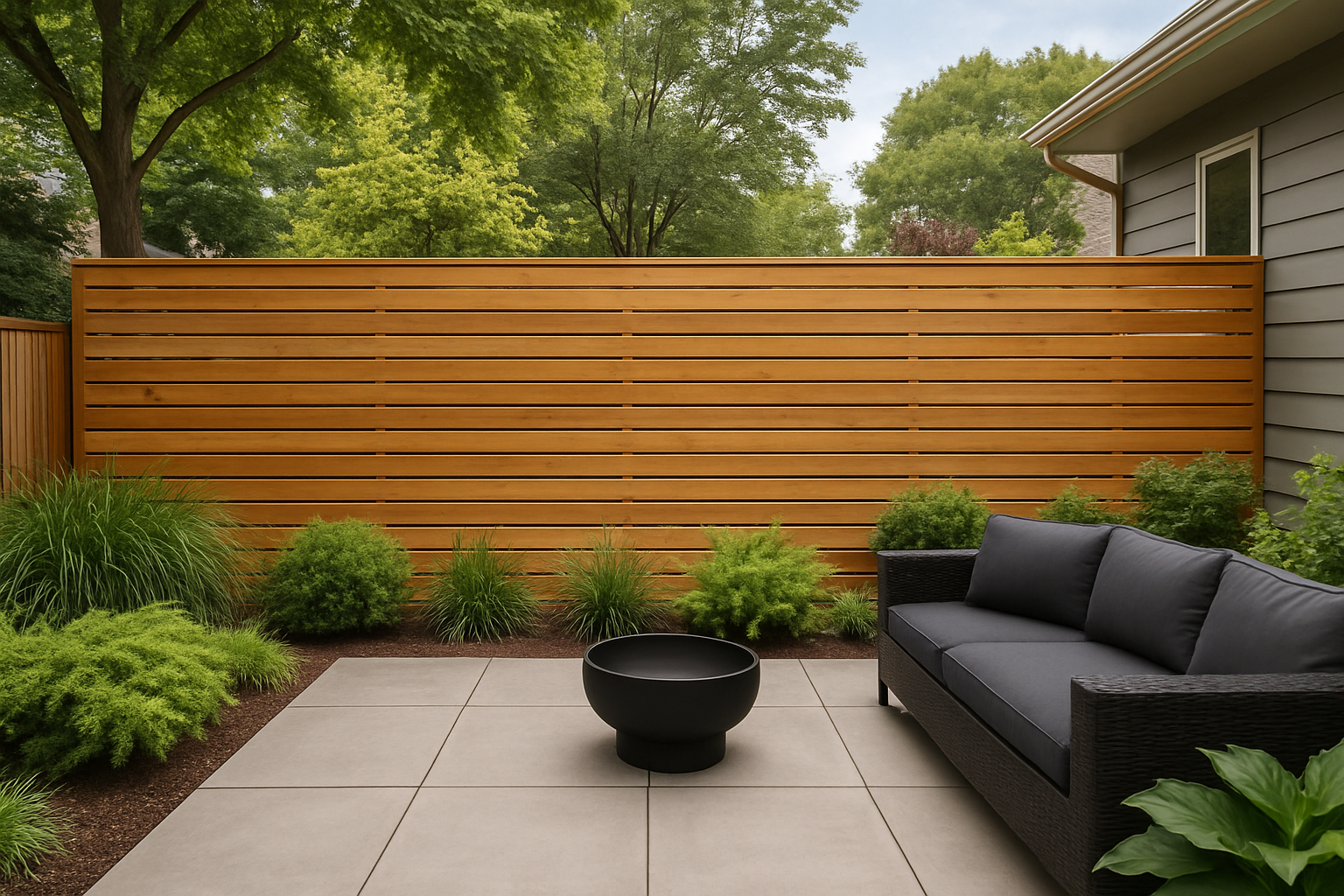
One of the most consistent first-year experiences for DFW homeowners in new construction neighborhoods is discovering how exposed their outdoor spaces feel without a fence. The home is beautiful, the yard is clean, but every time you step outside you're fully visible to three or four neighboring properties. The outdoor living space you bought the home for doesn't feel usable until there's a fence defining and enclosing it.
This is one of the most common fence installation triggers in the DFW market — new construction homeowners who moved in without fencing and discovered quickly that outdoor privacy is inseparable from outdoor enjoyment. Here's what those homeowners need to know about fence installation in new construction neighborhoods, what options work best, and what timing and process considerations are specific to the new construction context.
Why New Construction Homes in DFW Often Don't Include Fencing
The absence of fencing in new construction is consistent enough across the DFW market that it's worth understanding — because knowing why it happens helps new homeowners set realistic expectations and plan appropriately.
Production home builders in the DFW area price homes competitively by controlling costs — and fencing is one of the items most frequently excluded from standard home packages or offered only as an expensive upgrade. Including fencing in every home would add meaningful cost to every transaction, including homes whose buyers have preferences about fence type, material, or layout that differ from what the builder would standardize.
Builders also face the timing challenge that new construction fencing creates. In a new development where homes are being completed in sequence across several streets, installing fencing before adjacent lots are completed creates complications — fence lines that cross shared property lines need to be coordinated with neighboring lots that may not be sold yet, and installation sequences that can work in an occupied neighborhood become logistically complicated in an active construction site.
The result is that most DFW new construction neighborhoods have a mix of homes where some owners have installed fencing and others haven't — creating the patchwork privacy situation that new homeowners navigate as neighbors complete their own fence projects on independent schedules.
The Privacy Impact: Why It Matters More Than Homeowners Expect
New construction neighborhoods in DFW are typically built at densities that make outdoor privacy a genuine functional concern rather than a luxury preference. Lots are measured in the single-digit thousands of square feet in many DFW new developments, homes are positioned close to property lines, and second-story windows on neighboring properties often look directly into adjacent yards.
Without fencing, the rear yard that a homeowner intends to use for outdoor dining, children's play, and pool use is effectively a semi-public space visible from multiple neighboring properties and from the homes behind it. This visibility doesn't just affect privacy in the obvious sense — it affects how much the space is actually used. Homeowners who feel observed in their own yards consistently use those spaces less than homeowners with defined, fenced outdoor areas that feel private and personal.
The psychological and practical impact of fencing on how a DFW outdoor space feels and functions is larger than most homeowners anticipate until they experience both sides of it. The outdoor living investment — patio furniture, landscaping, outdoor kitchen — is significantly more valuable behind a fence than without one.
Fence Options for DFW New Construction: What Works Best
New construction neighborhoods in DFW have specific fence considerations that differ from older established neighborhoods — HOA requirements are typically more standardized, neighboring fence coordination creates opportunities and complications, and the uniform lot sizes and home configurations allow more systematic fence planning than the varied conditions of established neighborhoods.
Cedar privacy fencing: The default choice in most DFW new construction neighborhoods — cedar board-on-board privacy fencing at six feet is the most commonly HOA-approved and most practically effective option for rear and side yard privacy in the density of new construction neighborhoods. Natural wood aesthetics, accessible price point, and the staining and maintenance program that DFW Pressure Washing & Fence Staining LLC supports throughout the fence's service life make cedar the standard starting point for new construction fence planning.
The timing consideration specific to new construction cedar fencing: new cedar boards need three to six months to dry before staining is appropriate. Planning the first staining service for three to six months after installation rather than immediately ensures the wood is ready to receive stain and that the first application delivers the full-cycle protection it should.
Vinyl privacy fencing: The low-maintenance alternative to cedar that's gaining significant traction in DFW new construction neighborhoods — particularly in communities where HOA requirements support vinyl approval. The absence of a staining maintenance requirement is particularly appealing to new homeowners who are managing the full scope of new home maintenance for the first time and prefer to minimize recurring maintenance obligations.
Steel panel fencing: The contemporary option that's increasingly specified in DFW new construction neighborhoods where the home's architectural style is modern or transitional. Steel panel's modern aesthetic complements the contemporary design sensibility of many DFW new construction neighborhoods and delivers the low-maintenance profile that new homeowners often prefer.
The HOA Coordination Requirement in New Construction Neighborhoods
New construction neighborhoods in DFW almost universally have active homeowners associations with specific fence requirements — and these requirements are often more prescriptive than those in older established neighborhoods, where fence guidelines may be less specific or less actively enforced.
The HOA approval process for fence installation in a new construction neighborhood needs to be completed before any installation is scheduled — not during or after. HOA architectural review committees in active new construction communities process fence applications routinely, but the approval timeline — which may run two to four weeks in some communities — needs to be built into the project timeline from the beginning.
What HOA applications typically require for new construction neighborhoods: Fence dimensions and height, material specification with product details if required, color or finish specification, site plan showing fence placement relative to property lines, and confirmation that the installation will be performed by a licensed, insured contractor.
Getting the application package complete at first submission — rather than submitting incomplete materials and waiting for an information request that restarts the review clock — is the most effective way to minimize HOA approval timeline.
Neighbor Coordination: The New Construction Opportunity
New construction neighborhoods create a specific fencing opportunity that homeowners in established neighborhoods rarely have — the ability to coordinate fence installation timing with neighbors whose lots share the same fence line.
When two adjacent homeowners in a new construction neighborhood both need fencing along their shared property line, coordinating the installation creates practical and financial advantages. A single fence on the shared property line — installed and cost-shared by both homeowners — is less expensive per household than two separate fences installed a few inches apart on each homeowner's property. The shared fence approach also produces a cleaner result aesthetically and avoids the narrow maintenance gap between parallel fences that can become a debris trap and maintenance challenge.
Neighbor coordination requires early conversation — before either party has committed to a specific contractor or timeline — and requires agreement on material, style, and cost sharing that needs to be documented clearly before installation begins. The coordination overhead is worth the effort for the cost and aesthetic benefits it delivers, but it requires both parties to engage early enough in the planning process that the project can be coordinated rather than sequenced.
Timing Fence Installation in a New Construction Neighborhood
New construction homes in active DFW developments are surrounded by ongoing construction activity — other homes being completed, infrastructure work continuing, and the general activity of an unfinished community. This activity creates specific timing considerations for fence installation.
Soil settlement: Newly graded lots in DFW's clay soil take time to settle after the grading and construction activity that precedes home occupancy. Fencing installed before soil has adequately settled may experience post movement as the soil continues to consolidate — particularly in areas where fill soil was used to level the lot during construction. Waiting three to six months after move-in before fence installation gives the soil in disturbed areas the most critical initial settlement period.
Adjacent construction activity: Installing a fence while adjacent lots are still under construction creates risk of construction damage — equipment operating near the property line, material delivery and staging, and the general activity of active construction can damage fence installations. Timing fence installation after the most proximate adjacent construction has been completed reduces this risk.
Utility infrastructure completion: New developments sometimes have utility infrastructure that's still being completed in the months after home occupancy — conduits, service connections, and infrastructure that crosses or borders residential lots. Confirming with the development's utility management that all underground infrastructure adjacent to the planned fence line has been completed and documented before calling 811 and beginning installation ensures that utility locate information is complete.
Post-Installation Planning: Staining for New Cedar Fences
For new construction homeowners who install cedar privacy fencing, the post-installation planning for first staining is one of the most practically important next steps to get right.
As established throughout this blog series, new cedar needs three to six months to dry to appropriate moisture levels before staining is effective. The most common first-staining mistake in new construction neighborhoods is staining immediately after installation — before the wood has reached the moisture content that allows oil-based stain to penetrate correctly.
Planning the first staining service at installation — scheduling it three to six months out with DFW Pressure Washing & Fence Staining LLC — eliminates the need to manage this follow-up project separately and ensures the first application happens at the correct timing window rather than either too early or deferred indefinitely.
DFW Pressure Washing & Fence Staining LLC for New Construction Properties
DFW Pressure Washing & Fence Staining LLC installs wood, vinyl, steel panel, wrought iron, aluminum, and chain link fencing throughout the Dallas-Fort Worth area — including in the new construction neighborhoods across Kennedale, Arlington, Mansfield, Fort Worth, Grand Prairie, and surrounding communities.
Every new construction fence installation includes HOA application assistance, utility locate coordination, soil condition assessment for appropriate post depth specification, and scheduled follow-up staining coordination for cedar installations. We handle the full project from HOA submission through installation and into the ongoing staining maintenance that protects the investment through the fence's full service life.

Want to make sure your DFW new construction home's outdoor spaces are properly defined and protected with fence installation that meets HOA requirements, accounts for new construction site conditions, and sets up the maintenance program that delivers maximum service life? DFW Pressure Washing & Fence Staining LLC handles every aspect of new construction fence installation — from HOA coordination through post-installation staining scheduling.
Get Your Free Estimate → dfwpressurewashing.net/contact-us

DFW Pressure Washing & Fence Staining LLC


