Blog
How Often Should You Pressure Wash Your Home in DFW? A Season-by-Season Guide
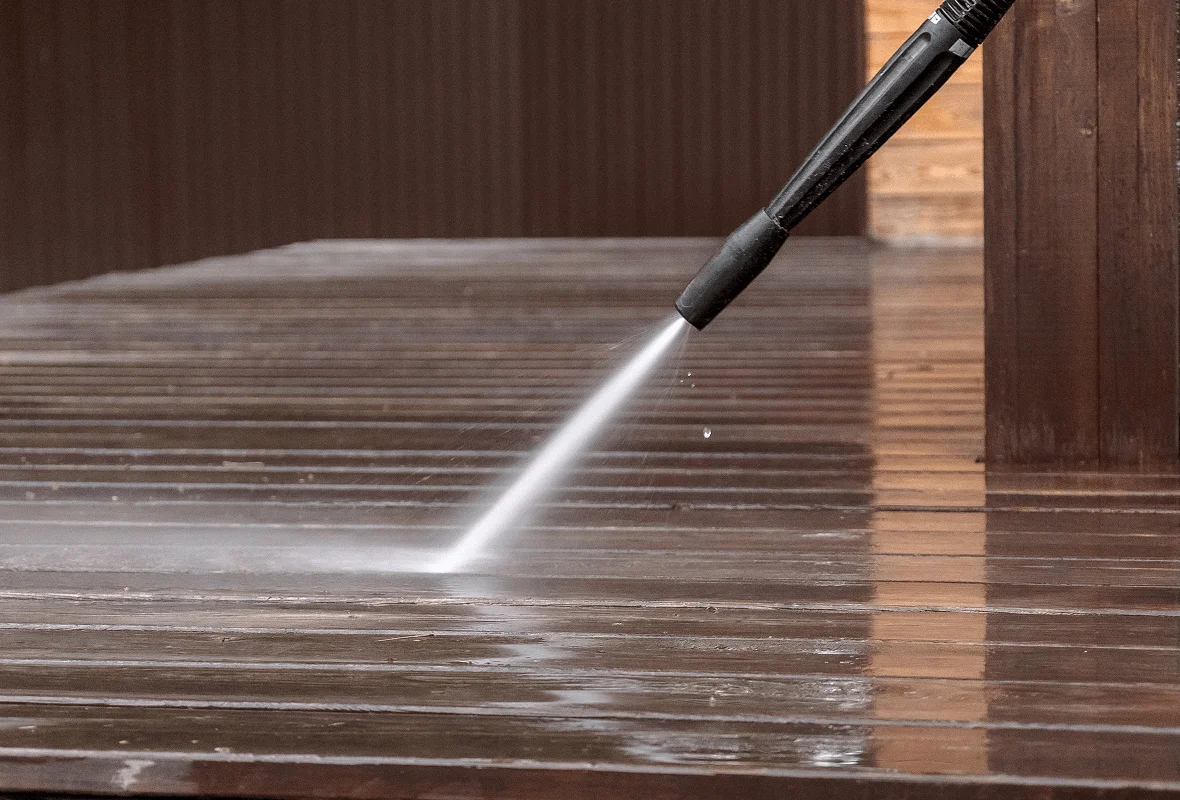
The most common question DFW homeowners ask about exterior cleaning is also the one with the most variable answer: how often? The honest answer isn't a single number — it's a surface-by-surface, season-by-season framework that accounts for what DFW's climate specifically deposits on each surface type and when the optimal cleaning windows fall throughout the year.
A driveway and a wood fence need different cleaning frequencies. A shaded walkway under mature oak canopy needs different attention than an open-exposure patio. A home with heavy spring irrigation contact needs more frequent cleaning than one with minimal irrigation exposure. Understanding these variables produces a cleaning schedule that's accurately calibrated to your specific property rather than generically applied.
The DFW Climate Framework: Why Seasonality Matters for Cleaning Frequency
DFW's climate creates specific seasonal patterns in how contamination accumulates on exterior surfaces. Understanding these patterns is what drives the season-by-season cleaning framework.
Spring is the heaviest accumulation season — pollen season deposits organic material on every surface, spring rain drives biological growth spores into open concrete and wood pores, and the combination of warmth and moisture creates the most favorable conditions for biological growth establishment of any season. Spring is both the highest contamination season and the most important cleaning window — cleaning after peak pollen season addresses the full spring accumulation before summer heat bakes it into surfaces.
Summer is the UV damage season — less biological growth in the most intense heat, but sustained UV exposure depleting stain and sealer protection continuously. Summer cleaning is less critical than spring for contamination removal but important for surfaces in outdoor living use where cooking, pool, and entertainment activity deposits specific contamination.
Fall is the organic debris season — leaf tannin staining from DFW's deciduous trees deposits on every concrete and wood surface, creating the persistent staining that bonds into surfaces through the wet fall and winter season. Fall cleaning that removes leaf deposits before winter drives them deeper is one of the most cost-effective cleaning investments available for properties under mature tree canopy.
Winter is the wet season — DFW's highest rainfall period creates biological growth conditions that spring then amplifies. Winter cleaning isn't typically necessary except for specific conditions, but winter moisture accumulation is what makes spring cleaning urgent.
Cleaning Frequency by Surface Type
Concrete driveways:
Standard recommendation: annual spring cleaning — late April to May after peak pollen season. This single annual cleaning addresses the full year's accumulation and prepares the surface for sealer assessment.
Adjusted frequency for specific conditions: Semi-annual for driveways under heavy tree canopy where tannin staining requires fall cleaning before leaf deposits bond through winter. More frequent assessment for high-traffic driveways where oil accumulation from multiple vehicles warrants targeted cleaning between full service cycles.
Water bead test triggers: If the water bead test at the annual assessment shows depleted sealer, pressure washing followed by resealing in the same service visit. Typical resealing cycle is every two to three years.
Concrete patios and outdoor living surfaces:
Standard recommendation: annual spring cleaning aligned with the outdoor living season opening. This prepares outdoor entertainment areas for the DFW outdoor season that begins in earnest in April and May.
Adjusted frequency: Semi-annual for patios with outdoor kitchens where cooking grease accumulation warrants targeted cleaning after the primary outdoor cooking season. Post-leaf-fall cleaning in October or November for patios under deciduous trees where tannin staining is significant.
Pool decks:
Standard recommendation: end-of-season cleaning after the primary swim season closes — typically September or October in DFW — addressing the full season's sunscreen, biological growth, and chemical exposure accumulation before winter.
Additional spring cleaning: Before the swim season opens — ensuring the pool deck starts each season clean and that sealer condition is confirmed before barefoot swimmers begin using it.
Anti-slip sealer assessment: Annual, with resealing every one to two years depending on use intensity.
Shaded walkways and sidewalks:
Standard recommendation: semi-annual — spring cleaning after pollen season and fall cleaning after leaf fall for properties under mature tree canopy. Shaded walkways develop biological growth faster than any other surface type and benefit from twice-yearly attention.
Adjusted for minimal tree coverage: Annual spring cleaning is adequate for walkways with limited organic debris exposure and minimal shade.
Home siding:
Standard recommendation: annual spring soft washing — late April to May after pollen season removes the pollen accumulation and the biological growth that pollen feeding enabled through winter. North and east-facing walls develop biological growth fastest and benefit most from this annual timing.
Adjusted for heavy tree coverage: Semi-annual soft washing for siding sections under heavy deciduous canopy where the conditions for biological growth are more intensive than standard residential exposure.
Wood fences:
Standard recommendation: annual spring pressure washing — the prep step for staining assessment and the maintenance cleaning that removes biological growth before it roots deeper through another summer. This annual cleaning keeps biological growth from becoming the multi-season established condition that requires intensive treatment.
Staining cycle: Every two to three years, triggered by water bead test assessment after the annual spring cleaning. South and west-facing sections may deplete closer to two years, shaded sections may hold closer to three.
Retaining walls:
Standard recommendation: annual to biannual cleaning depending on biological growth severity. Retaining walls in shaded locations with moisture from retained soil develop biological growth faster than open-exposure walls.
Inspection combined with cleaning: Every cleaning visit is the opportunity for mortar joint condition assessment — catching deterioration before it progresses to structural concern.
The Annual Spring Service: The Most Important Cleaning Window
If one cleaning window deserves emphasis above all others in the DFW exterior maintenance calendar, it's the annual spring service in late April to May. This single window addresses more accumulated contamination, treats more biological growth, and prepares more surfaces for the summer season ahead than any other cleaning timing.
Spring cleaning after pollen season captures the full season's accumulation — winter's biological growth, pollen season's organic deposits, and the early spring growth that the combination of warmth and pollen feeding enabled. Cleaning before summer heat bakes these deposits more permanently into surface materials produces more complete removal than equivalent cleaning later in the season.
For most DFW properties, the annual spring service is also the trigger for the two to three year staining and sealing assessments — the water bead test on fence sections and concrete surfaces after cleaning accurately reveals current protection status and drives restaining and resealing decisions for the current year.
Building the annual spring service as the anchor of the full-year maintenance program — and scheduling other seasonal cleanings around it rather than independently — produces the most organized and most cost-effective exterior maintenance calendar for DFW properties.
How to Build Your Property's Specific Cleaning Schedule
The framework above applies to average conditions — your specific property's cleaning schedule should adjust for the specific conditions that accelerate accumulation on your surfaces.
High tree coverage: Add fall cleaning for concrete surfaces and consider semi-annual siding soft washing. Monitor fence staining more frequently for sections under canopy.
Heavy irrigation contact: Monitor fence sections and concrete in irrigation spray paths with more frequent water bead tests. Plan for earlier restaining on irrigated fence sections.
Pool: Add end-of-season pool deck cleaning and annual anti-slip sealer assessment.
Outdoor kitchen: Add post-season cleaning of cooking zone concrete and pergola surfaces above cooking areas.
Large paved areas: More frequent biological growth assessment for shaded concrete sections and early morning shade areas that stay moist longest.

Want a complete seasonal exterior cleaning schedule for your DFW property — calibrated to your specific surfaces, tree coverage, irrigation conditions, and outdoor living use — rather than a generic cleaning frequency that may not match what your property actually needs? DFW Pressure Washing & Fence Staining LLC assesses every surface and builds the maintenance schedule your specific property requires.
Get Your Free Estimate → dfwpressurewashing.net/contact-us
DFW Pressure Washing & Fence Staining LLC


