Blog
How Pressure Washing Removes What DFW Seasons Leave Behind — A Surface-by-Surface Guide
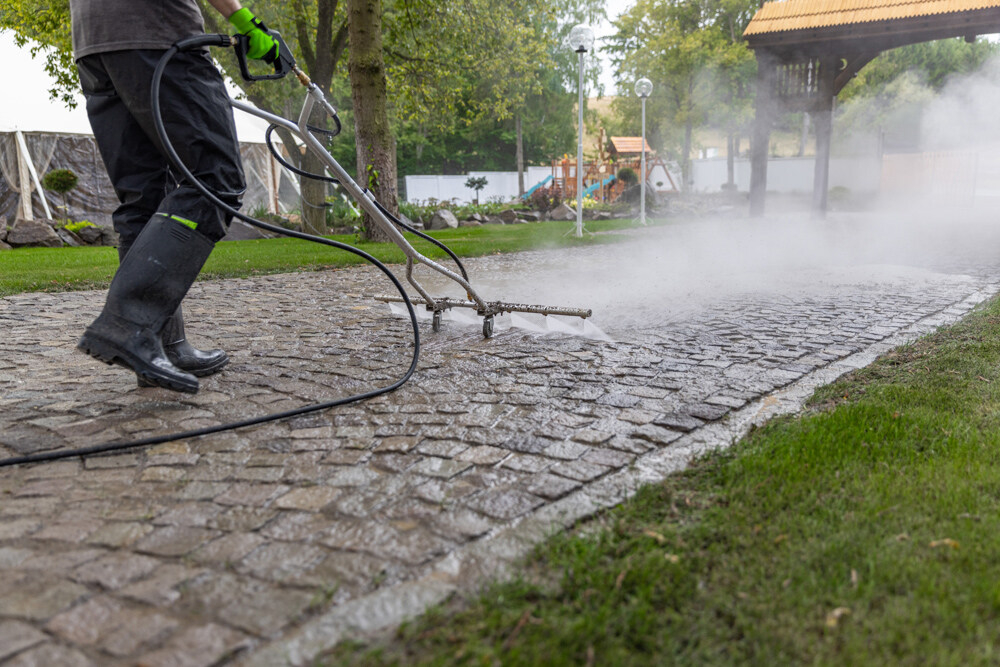
Every season in the Dallas-Fort Worth area leaves something specific behind on every exterior surface — and understanding what each season deposits on each surface type is the most practical framework for knowing when and why professional pressure washing is warranted. This isn't abstract maintenance theory — it's a direct answer to the question that most DFW homeowners have at some point: what exactly am I paying to have cleaned, and why does it matter?
The answer is different for each season and different for each surface. Here's a comprehensive surface-by-surface guide to what DFW's four seasons deposit on residential exteriors — and what professional pressure washing accomplishes on each one.
Concrete Driveways: What Each Season Deposits
Winter deposits: DFW winters are mild but not irrelevant to driveway contamination. The wet weather that characterizes North Texas winters drives organic material from surrounding soil and landscaping across concrete surfaces — clay-heavy soil washes onto driveways during rain events, leaving the rust-tinted deposits that are characteristic of DFW's iron-rich clay. Any freeze events deliver the specific stress to unsealed concrete described throughout this blog series. By the end of winter, driveways have accumulated organic soil deposits, biological growth residue from the wet season, and any road salt or de-icing compounds that were applied during freeze events.
Spring deposits: Spring is the heaviest contamination season for DFW driveways. The combination of intense pollen season, frequent rain events, and warming temperatures creates peak biological growth conditions on concrete. By late spring, driveways that haven't been cleaned have visible green and dark biological growth in shaded areas, concentrated pollen deposits that have been driven into concrete pores by repeated rain events, and the organic debris from trees and landscaping that coats every outdoor surface during DFW's wettest season.
Summer deposits: Summer's primary contribution to driveway contamination is heat-baked vehicle fluid deposits and the concentrated atmospheric particulate from DFW's urban environment. Oil drips that would have been surface-level in spring have been driven deeper into concrete pores by summer heat cycles. The biological growth that established in spring has been growing through summer's warmer temperatures. Atmospheric dust and vehicle exhaust particulate have been settling continuously.
Fall deposits: Fall delivers the leaf tannin staining that is one of the most stubborn concrete contamination types in DFW. Oak, pecan, and elm leaves deposit concentrated tannin compounds on concrete wherever they sit — and in North Texas, those leaves sit on concrete through the wet fall rain events that drive the tannins into surface pores. By the time DFW's fall leaf season is complete, driveways under mature trees have accumulated months of progressive tannin staining.
What professional pressure washing removes: For driveways, professional pressure washing with appropriate pre-treatment addresses all four seasons' contamination — biocidal pre-treatment for biological growth, alkaline degreaser for vehicle oil deposits, and the mechanical extraction of organic deposits, tannin staining, and atmospheric accumulation. Annual cleaning that catches the full year's accumulation before it compounds into a multi-season problem consistently delivers better results than cleaning only when the driveway looks too bad to ignore.
Home Siding: What Each Season Deposits
Winter deposits: Winter siding contamination in DFW accumulates primarily through the wet weather that drives mildew spores from active colonies into the surface texture of vinyl and fiber cement siding. By late winter, siding that was cleaned in fall has begun to show the early reestablishment of biological growth in the areas most favorable for growth — north and east-facing walls that receive less sun and stay damp longest after rain events.
Spring deposits: Spring is the most contamination-intensive season for DFW home siding. Pollen season deposits an organic film across all exterior siding surfaces — the yellow-green coating that makes every surface look dirty during peak pollen in March and April is organic material that holds moisture against siding and feeds the biological growth that follows. The mildew and algae that establish during favorable spring growth conditions create the dark streaking on siding that is one of the most visible exterior maintenance conditions in DFW neighborhoods.
Summer deposits: Summer atmospheric deposits on siding are primarily dust and vehicle exhaust particulate from DFW's urban environment. The biological growth established in spring continues to spread during summer's warmth, and the high surface temperatures on south and west-facing siding accelerate the UV degradation of siding coatings that biological growth subsequently attacks.
Fall deposits: Fall spider web activity produces the web accumulations in corners, eaves, and siding joints that are particularly visible in DFW fall. Organic debris from fall leaf activity coats siding surfaces adjacent to tree canopy. The return of moist conditions in October and November creates a second growth window for biological organisms on siding surfaces that were dried back during summer.
What professional soft washing removes: Siding requires soft washing rather than high-pressure washing — low-pressure application of biocidal cleaning solution that kills biological growth at the root level and rinses away with gentle pressure that doesn't force water behind siding panels. Spring cleaning after pollen season removes the organic film that feeds summer growth. Annual cleaning prevents the multi-season biological growth accumulation that makes siding look old before its time.
Wood Fences: What Each Season Deposits
Winter deposits: Winter's primary deposit on wood fences is moisture — the wet season that DFW winters deliver saturates fence boards repeatedly, maintaining high moisture content in unprotected wood through the cold months. This moisture saturation is the condition that freeze-thaw events act on in DFW winters, and it's also the condition in which biological organisms can remain active in fence boards even during cooler temperatures. By late winter, unstained or depleted-stain fence sections have been through months of moisture cycling that has driven expansion and contraction stress into the wood.
Spring deposits: Spring biological growth on wood fences is more aggressive than on concrete because wood's porous fiber structure provides better biological habitat than concrete's denser matrix. Mildew and algae that establish in spring on unprotected fence boards root into the wood fiber quickly — the same organic structure that makes wood a preferred growth substrate in nature makes it a favorable environment for exterior biological organisms. Spring also deposits pollen that holds moisture against fence surfaces and creates the organic substrate that feeds spring growth.
Summer deposits: Summer UV deposits are invisible but cumulative — each hour of intense DFW sun breaks down more surface lignin on unprotected wood boards. By the end of a DFW summer without stain protection, fence sections in direct afternoon sun have accumulated a full season's UV degradation that manifests as gray surface layer and surface checking. Summer heat also drives biological growth products — the mild organic acids that mildew and algae produce — deeper into wood fiber where they continue chemical degradation even after visible surface growth dies back.
Fall deposits: Fall organic debris deposits on fence lines are significant in established DFW neighborhoods with mature trees. Leaves that collect against fence bases hold moisture and tannin compounds against the lowest fence boards — the same boards that are already most vulnerable to moisture damage from below. Fall is also when DFW's seasonal temperature drops create condensation conditions on fence surfaces that deposit additional moisture in the wood fiber.
What professional pressure washing and staining remove and prevent: For wood fences, professional pressure washing with biocidal pre-treatment removes the seasonal accumulation of biological growth, organic deposits, and weathered surface layer. The staining that follows seals the cleaned wood fiber against the next season's biological growth, UV damage, and moisture cycling. The combination addresses both what the seasons have already deposited and what subsequent seasons will attempt to deposit.
Concrete Patios and Outdoor Living Surfaces: What Each Season Deposits
Winter deposits: Patios that aren't regularly used through DFW's cooler months accumulate biological growth in the moist, shaded conditions of winter without the foot traffic and cleaning attention that summer use generates. Areas under outdoor furniture that doesn't get moved develop particularly concentrated biological growth in the undisturbed, low-light conditions.
Spring deposits: Spring pollen and biological growth on patio surfaces follows the same pattern as driveways — with the added contamination from outdoor cooking preparation that begins as DFW's outdoor living season opens in spring. The first outdoor cooking sessions of the year on a grill that sat through winter deposit accumulated grease and cooking residue on adjacent concrete surfaces.
Summer deposits: Summer outdoor cooking is the primary contamination source for outdoor kitchen and entertainment area concrete — grease vapors and cooking residue coat surfaces adjacent to grills and outdoor kitchens through the peak outdoor cooking season. Foot traffic from barefoot pool users deposits sunscreen and body oil on pool deck surfaces repeatedly through summer's outdoor living peak.
Fall deposits: Fall leaf debris on patio surfaces is the most visually impactful fall deposit — leaves that sit against decorated stamped concrete or paver surfaces deposit tannin staining that can be difficult to remove once it has set through the wet fall season. Fall is also when outdoor furniture is typically stored, revealing the concentrated biological growth and organic deposits that accumulated under furniture positions through the outdoor living season.
What professional pressure washing removes: Outdoor living surfaces benefit from the same biocidal pre-treatment approach as other concrete surfaces, with the addition of degreaser pre-treatment for cooking grease in outdoor kitchen areas and appropriate technique for decorative and stamped surfaces that require lower pressure than standard concrete.
Connecting Seasonal Deposits to Maintenance Scheduling
The seasonal deposit pattern for each surface type provides the framework for scheduling professional pressure washing most effectively — cleaning each surface at the timing that addresses the most significant seasonal deposits before they compound.
For DFW properties, the two most productive cleaning windows align with the seasonal deposit patterns: spring cleaning after pollen season and before summer's outdoor living peak, and fall cleaning after leaf season and before winter's wet period. These two windows address the four seasons' deposits efficiently — spring cleaning removes winter and spring deposits, fall cleaning removes summer and fall deposits.
Properties with specific surface conditions — extensive tree coverage that accelerates fall tannin staining, outdoor kitchens with year-round cooking activity, pool decks with extended summer use — may benefit from supplemental cleaning in additional seasons to address the accelerated contamination those specific conditions create.
Professional Pressure Washing Across the DFW Metroplex
DFW Pressure Washing & Fence Staining LLC provides residential pressure washing, soft washing, wood staining, and seal and protect services throughout the Dallas-Fort Worth area — including Kennedale, Arlington, Mansfield, Fort Worth, Grand Prairie, and surrounding communities.
Every service addresses the specific contamination types present on each surface — biocidal treatment for biological growth, degreaser pre-treatment for oil contamination, acid treatment for mineral deposits — rather than applying standard pressure washing regardless of what the surface actually needs. The seasonal deposit guide in this blog is the same framework our crew uses to assess surfaces and select appropriate pre-treatment for each cleaning visit.

Want to make sure every exterior surface on your DFW property is cleaned for what the seasons actually deposited on it — with the right pre-treatment for each contamination type and the right technique for each surface material? DFW Pressure Washing & Fence Staining LLC assesses every surface during the property walkthrough and applies the specific cleaning approach that each surface's seasonal contamination requires.
Get Your Free Estimate → dfwpressurewashing.net/contact-us
DFW Pressure Washing & Fence Staining LLC


