Blog
How to Keep Your Fence Looking Great Year-Round in DFW: A Complete Seasonal Care Guide
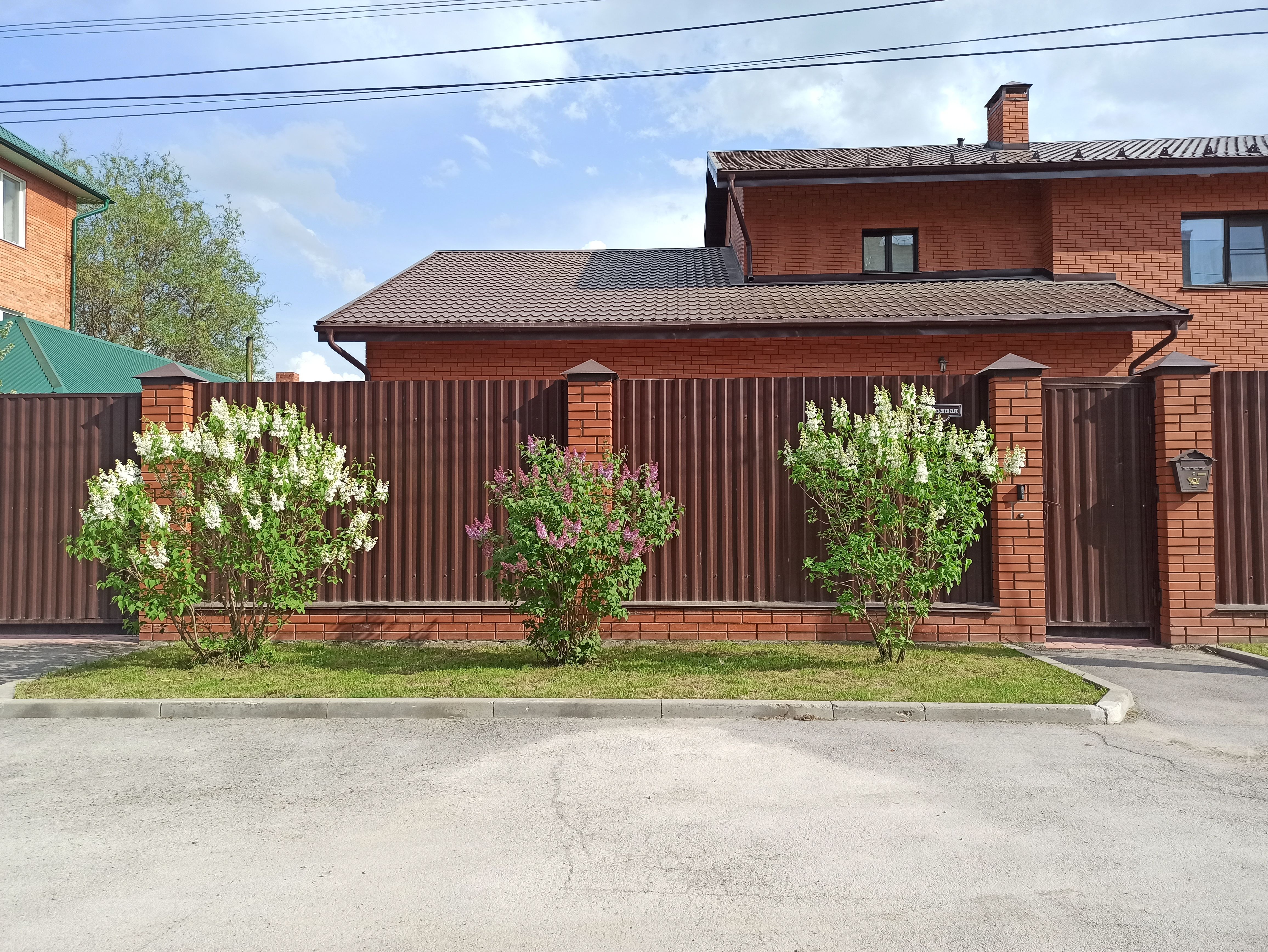
A fence is one of the most visible features of your property — and one of the most exposed. Unlike your roof or your foundation, your fence has no protection from the elements. It sits fully exposed to every rain event, every heat wave, every freeze, and every storm that moves through the Dallas-Fort Worth area throughout the year.
The homeowners who get the most out of their fences — 15 to 20 years of solid service from a wood fence, decades from vinyl or metal — are the ones who treat fence care as a seasonal routine rather than something they address only when a problem becomes impossible to ignore. Staying ahead of the North Texas climate rather than reacting to the damage it causes is the difference between a fence that looks great year after year and one that's deteriorating before its time.
This guide walks DFW homeowners through exactly what fence care looks like in each season — for wood, vinyl, and metal fences — so you have a clear, practical routine to follow throughout the year.
Understanding What Each Season Does to Your DFW Fence
Before getting into the seasonal care breakdown, it helps to understand what each season in North Texas is actually doing to your fence — because the maintenance steps in each season are responses to specific seasonal challenges.
Winter brings occasional hard freezes and moisture that stress wood and test the integrity of post footings in DFW's expansive clay soil. Posts that shift during wet winter months start leaning, and wood that absorbed moisture before a freeze can crack and split as that moisture expands.
Spring delivers the heaviest rainfall of the year along with high humidity — ideal conditions for mold, mildew, and algae to establish themselves on wood and between vinyl fence components. Spring also brings the pollen that coats every outdoor surface in the Metroplex with a layer of organic material that feeds biological growth.
Summer is the UV damage season. The intense Texas sun breaks down wood lignin, fades stain finishes, and degrades vinyl that isn't UV-stabilized. Summer heat also bakes biological growth and organic debris into surfaces, making it harder to clean if it's been left to accumulate through spring.
Fall brings falling leaves, tree sap, and the return of wet weather in October and November. Leaf tannins stain wood and collect in vinyl fence channels. Fall is also the second window — alongside spring — for staining and sealing treatments before the stress of winter arrives.
Winter Fence Care: Assess and Protect
Winter is the lowest-activity season for fence maintenance in DFW, but it's not one to skip entirely. The main focus in winter is assessment and protection rather than active cleaning or treatment.
For wood fences:
After any significant rain event or hard freeze, walk your fence line and look for boards that have warped, cracked, or split as a result of moisture and temperature stress. Check post bases for any sign of movement — DFW's clay soil swells when wet and can shift posts that aren't set at sufficient depth. A post that's just beginning to lean is a relatively simple re-set; a post that's been leaning for a full season of freeze-thaw cycles is a more involved repair.
Avoid pressure washing your wood fence during freezing temperatures or in the days immediately before a forecast freeze. Wet wood in freezing conditions accelerates surface cracking, and pressure washing right before a freeze defeats the purpose of the cleaning.
If your fence wasn't stained before winter arrived and you're seeing wood that looks dry and is showing early surface cracking, note it for spring treatment — winter isn't the right application window for staining, but knowing the fence needs treatment when spring arrives helps you schedule early before contractors' schedules fill up.
For vinyl fences:
Walk the fence line after any significant wind event or freeze and check for any panels that have cracked or been displaced. Vinyl becomes more brittle in cold temperatures and is more vulnerable to impact damage in winter than in warmer months. Check that all post caps and top rails are secure — winter wind can displace components that weren't firmly seated.
For metal fences — wrought iron and aluminum:
Winter moisture is the primary concern for wrought iron fences. After wet weather, inspect the paint and rust-protection coating for any areas where moisture has found its way to the metal surface. Any rust spots that appear should be addressed as soon as temperatures permit — rust on iron spreads quickly and becomes harder to treat the longer it's left.
Aluminum fences require minimal winter attention. Check for any physical damage from wind events and verify that gate hardware is functioning correctly.
Spring Fence Care: The Most Important Maintenance Season
Spring is the most important fence maintenance window of the year for DFW homeowners. It's when the most active maintenance tasks happen, and getting them done in spring sets your fence up for the most demanding seasons — UV-intense summer and wet fall — in the best possible condition.
Spring inspection checklist for all fence types:
Walk the full fence perimeter and note every issue you find — don't start fixing yet, just document the full scope of what needs attention. Board replacement, post re-setting, hardware tightening, and cleaning are all easier and more efficient when you know the full scope before starting on any individual issue.
Check post footings along the entire fence line. Winter moisture and freeze-thaw cycles are the main cause of post movement in DFW. Posts that have started to lean even slightly should be addressed in spring before the lean worsens throughout the year.
Inspect all gate hardware — hinges, latches, and strike plates. Lubricate hinges and verify that gates are hanging level and latching correctly. A gate that's starting to sag puts progressive stress on the post and hinge mounting, and addressing it early is a simple hardware adjustment rather than a structural repair.
Spring cleaning for wood fences:
Spring is the right time to pressure wash your wood fence after winter moisture and spring rain have done their work. The goal is to remove all mildew, algae, biological growth, pollen accumulation, and any weathered gray surface layer before assessing whether staining is needed.
After pressure washing and adequate drying time, do the water bead test: sprinkle water on multiple sections of the fence. If water beads consistently across the surface, the existing stain is still providing adequate protection. If water soaks in freely — particularly in sections that get the most sun exposure — restaining is due.
Spring staining is ideal for DFW fences for several reasons. Temperatures are in the optimal range for stain application and curing. Humidity is manageable. And getting the fence stained in spring means it enters the high-UV summer season fully protected rather than deteriorating through the period when UV damage is most intense.
Spring cleaning for vinyl fences:
Vinyl fences accumulate pollen, mildew along bottom rails, and biological growth in any areas that stay damp after rain — particularly at the base of posts and along sections shaded by adjacent structures or vegetation. Spring pressure washing or soft washing removes all of this buildup and resets the fence to a clean baseline for the rest of the year.
Pay particular attention to the channels and rails where debris collects. Pollen and organic material that packs into vinyl fence channels holds moisture against the material and can cause discoloration that's harder to remove the longer it sits.
Spring care for metal fences:
Spring is the time for a thorough inspection of wrought iron paint and rust protection coating. Look carefully along welds, at the base of posts, and in any areas where water tends to pool or run — these are the highest-risk spots for rust development. Any rust that has begun to develop should be treated promptly: sand the affected area to bare metal, apply a rust-inhibiting primer, and repaint with a compatible exterior metal paint.
Aluminum fences need spring cleaning to remove winter and spring buildup. A light pressure washing or soft washing removes environmental deposits and gives you a clear view of the powder coat condition. Any areas where the powder coat has been chipped or scratched should be touched up with a matching paint product to prevent moisture from contacting the underlying aluminum at those points.
Summer Fence Care: Monitor and Protect From UV
Summer is the season when active maintenance slows down and monitoring becomes the primary focus for DFW fence owners. The intense heat and UV exposure of a North Texas summer are doing constant work on every outdoor surface — the goal is to make sure your fence entered summer in well-protected condition and to catch any developing issues before they worsen.
For wood fences:
Check stained wood sections periodically for any areas where the stain appears to be fading or wearing faster than expected — south and west-facing fence sections take the most UV exposure in DFW and may show earlier stain wear than other sections. This is good information to have when planning your next staining cycle.
Avoid pressure washing wood fences in peak summer heat. The combination of hot surface temperatures and high ambient heat makes the rapid drying that follows pressure washing more stressful on wood than in cooler seasons. If a section of fence genuinely needs cleaning mid-summer, work in early morning before surface temperatures peak.
Summer heat also makes any existing cracks in wood boards worse. Wood dries out significantly in DFW summer heat, and boards that had minor surface cracking in spring may develop more significant splits by midsummer. Boards that reach the point of structural compromise — where the split goes through the full thickness or the board is visibly pulling away from the rail — should be replaced rather than left for fall.
For vinyl fences:
High-quality vinyl with UV inhibitors handles DFW summer heat well. Lower-grade vinyl that doesn't have UV stabilizers built into the material may show fading and surface chalking after several seasons of DFW summer UV exposure. If your vinyl fence is starting to look faded or chalky, note it — this is a sign that the UV protection in the material is wearing, and the fence may need replacement sooner than a higher-grade product would.
Keep sprinkler systems directed away from vinyl fence sections where possible. Constant wetting and rapid drying in summer heat accelerates the mineral deposit buildup that discolors vinyl over time.
For metal fences:
Summer heat accelerates rust development on any exposed iron or steel. Any rust spots that appeared in spring and weren't fully treated will spread noticeably through the summer months. Check wrought iron fences after any summer rain events for new rust development.
Aluminum fences require minimal summer attention beyond keeping sprinkler water directed away from the fence where possible. Hard water mineral deposits from irrigation systems are easier to remove when addressed promptly rather than being left to accumulate through multiple wet and dry cycles.
Fall Fence Care: Prep for Winter and Address Summer Damage
Fall is the second most active maintenance season for DFW fence owners — it's when you address whatever summer did to your fence and get everything protected before winter arrives. It's also the second staining window for wood fences, which is important for homeowners whose fence needs treatment but didn't get staining done in spring.
Fall inspection for all fence types:
Repeat the spring walkthrough — post footings, hardware, gates, and overall structural condition. Summer heat stress and any summer storm events may have created new issues that weren't present in spring.
Fallen leaves accumulate along fence lines and in vinyl fence channels throughout October and November. Clear leaf debris from the base of the fence and from any channels or rails where it collects. Leaf tannins stain wood and can discolor vinyl when leaves are allowed to decompose against the surface through the wet fall months.
Fall maintenance for wood fences:
Fall is the second ideal window for pressure washing and staining in DFW — temperatures are moderate, humidity typically drops in October, and dry stretches of weather are more reliable than in spring.
If your wood fence needs staining and you missed the spring window, fall is the time to get it done. Getting the fence stained and sealed before winter means it enters the freeze-thaw season with full protection rather than going through winter's moisture stress with worn or absent protection.
Even if staining isn't due yet, a fall pressure washing to clear leaf debris, any summer buildup, and biological growth that established itself in the late summer humidity keeps the fence clean through the winter months.
Fall maintenance for vinyl fences:
Clean vinyl fences in fall to remove leaf tannin staining, pollen residue that accumulated through spring and summer, and any biological growth that established itself in shaded sections. Fall cleaning is also a good opportunity to check all post caps, rails, and panel connections before winter wind season arrives — making sure all components are firmly seated going into the season when wind events are more likely to displace loosely fitted parts.
Fall maintenance for metal fences:
Complete any rust treatment that was deferred from spring or summer before temperatures drop significantly. Cold temperatures slow the drying and curing of rust treatment primers and paints, so completing metal fence rust treatment in fall — while temperatures are still above 50°F consistently — delivers better results than waiting until winter or early spring when temperatures are less cooperative.
Year-Round Gate Maintenance: The Part Most Homeowners Overlook
Gates take more mechanical stress than any other fence component and deserve specific attention in every seasonal maintenance cycle. A gate that's maintained properly lasts as long as the fence; a neglected gate creates structural damage to the post it hangs on and eventually requires expensive repair or replacement.
Lubricate all hinges at least twice a year — spring and fall are the natural times to include this in the seasonal maintenance routine. Use a weatherproof lubricant appropriate for the hinge material — a light penetrating oil for standard steel hinges, a heavier grease for heavy gate hardware.
Check gate alignment every season. A gate that isn't hanging level puts progressive stress on the mounting hardware and the post. Self-closing gates and gravity latches depend on correct alignment to function — if a self-closing gate is no longer closing fully or a gravity latch isn't catching consistently, the gate needs re-alignment before the hardware is damaged further.
For automated gate systems — sliding gates, swing gates with operators — have the operator mechanism inspected and lubricated annually according to the manufacturer's schedule. Automated gate operators that aren't maintained regularly are among the most common and most expensive fence-related repairs.
When to Call a Professional for Fence Service
Some fence maintenance tasks are straightforward enough for most homeowners to handle. Others are better left to professionals with the right equipment and experience.
Call a professional for pressure washing when your fence covers significant linear footage, when biological growth or staining is extensive enough to require chemical pre-treatment, or when the fence is being prepared for staining or sealing and surface quality matters.
Call a professional for staining when you want results that last two to three years and are backed by a warranty — professional prep, product selection, and application technique consistently deliver better longevity than DIY staining.
Call a professional for structural repairs — post re-setting, rail replacement, large sections of board replacement — when the scope is beyond straightforward board-by-board replacement that a handy homeowner can handle.
DFW Pressure Washing & Fence Staining LLC handles all of these services across the DFW Metroplex — pressure washing, wood staining, fence repairs, and full fence installation for wood, vinyl, wrought iron, aluminum, and chain link. We serve homeowners throughout the Dallas-Fort Worth area including Kennedale, Arlington, Mansfield, Fort Worth, Grand Prairie, and surrounding communities.
One Company, Every Season
Working with a single company for your ongoing fence maintenance — rather than finding a new contractor every time a need comes up — makes it easier to stay on schedule, maintain consistent service quality, and have someone who knows your property's specific conditions and history.
DFW Pressure Washing & Fence Staining LLC is available throughout every season for fence cleaning, staining, repairs, and new installation. We're fully insured, use professional-grade equipment and premium products, and back our staining work with a three-year limited warranty.
Whether your fence needs a spring cleaning, a fall staining, a mid-summer board replacement, or a full winter assessment, we're the call to make.

Want to make sure your fence is properly cleaned, stained, and protected before the next season hits? DFW Pressure Washing & Fence Staining LLC reviews every surface during the property walkthrough and identifies any prep or repair needs before the work is scheduled. We make sure everything is done right before a single drop of stain goes down.
Get Your Free Estimate → dfwpressurewashing.net/contact-us

DFW Pressure Washing & Fence Staining LLC


