Blog
How to Maintain Your DFW Fence Between Professional Staining Cycles
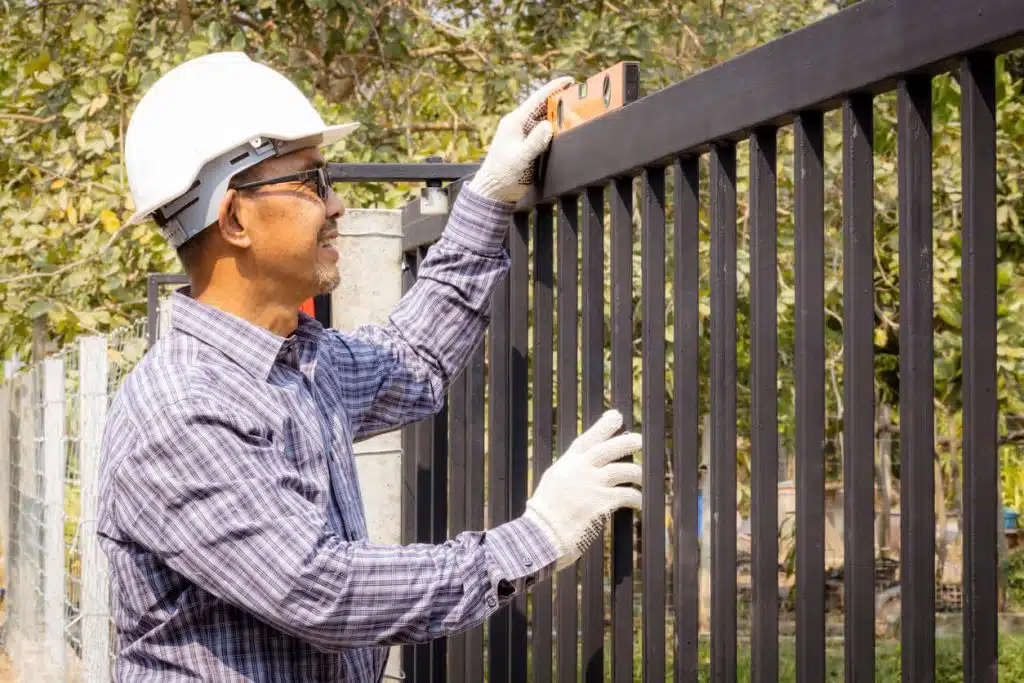
Professional fence staining every two to three years is the foundation of wood fence maintenance in the DFW area — it's the service that delivers the UV protection, moisture repellency, and biological growth resistance that keeps cedar fence boards structurally sound through North Texas's demanding climate cycle. But the two to three years between professional staining services isn't passive time where the fence just coasts on the protection it received. What happens between professional services — the attention the fence gets or doesn't get between staining cycles — directly affects how long the protection lasts, whether isolated problems stay isolated, and what condition the fence is in when the next professional service arrives.
The between-service maintenance that extends stain life and prevents the compounding problems that show up at the next service visit is simpler than most DFW homeowners assume. It doesn't require professional equipment or specialized knowledge — it requires consistent attention to a short list of specific conditions that, caught early, are easy and inexpensive to address.
Annual Spring Inspection: The Foundation of Between-Service Maintenance
The most important between-service maintenance activity is an annual spring inspection — a systematic walkthrough of the full fence perimeter that specifically evaluates the conditions that develop over the previous year and that determine what the fence needs before another season of exposure begins.
This inspection should happen every year regardless of where in the staining cycle the fence is — not just in the year before staining is due. Problems caught at the annual inspection are addressed when they're small. Problems not caught at the annual inspection continue developing until the next professional service visit — at which point they're larger, more expensive, and in some cases have affected adjacent fence components that were sound when the problem started.
What to assess during the annual spring inspection:
Walk the full fence perimeter — not just the sections visible from the house or the gate. Distant sections, shaded sections, and the sections adjacent to irrigation zones that you don't walk past regularly are precisely the sections where developing problems go unnoticed longest.
At each section, check post plumb — push firmly against each post in both directions along and perpendicular to the fence line. Sound posts feel completely rigid. Posts with developing movement feel slightly loose — a condition that's easy to address with post stabilization before it becomes leaning that requires full post re-setting.
Check each board by pressing firmly at multiple points along its face. Sound boards feel solid. Boards with developing rot feel slightly soft under firm pressure — catching this before the soft spot is advanced allows board replacement before the board affects adjacent boards or rails through moisture migration.
Check rail condition at the post connections — the ends of rails where they meet posts are the most moisture-exposed rail sections and the first place rail deterioration appears. Press firmly on the rail end where it meets the post. Sound rails feel solid. Rails with developing deterioration at connections feel slightly soft or have visible discoloration.
Check gate hardware — hinge lubrication, latch alignment, and gate level. A gate that has started to sag even slightly is putting progressive stress on the hinge post with every operation cycle.
The Water Bead Test: Monitoring Stain Protection Between Professional Services
The annual spring inspection is also the appropriate time to run the water bead test on multiple sections of the fence — specifically on the highest-wear sections where stain depletes fastest. This test provides the most accurate available indicator of remaining stain protection and determines whether the next professional staining service should be scheduled promptly or can wait for the next assessment.
Apply water by pouring or spraying it on south and west-facing fence sections, sections in irrigation spray paths, gate faces, and any board top end grain surfaces. Observe water behavior for 60 seconds.
Beading on all sections indicates the staining cycle is still providing adequate protection — no immediate action required. Schedule the next water bead test for fall or for the 18-month point from the last staining, whichever comes first.
Beading on most sections but soaking in on specific high-wear sections indicates targeted depletion — the high-wear sections are approaching the resealing point while the rest of the fence remains adequately protected. Either schedule professional restaining of the full fence, or monitor the depleted sections more closely and plan for professional service before the next spring.
Soaking in on most sections indicates widespread depletion — professional staining should be scheduled promptly to avoid leaving the fence unprotected through another season.
Managing Irrigation Exposure: The Most Impactful Between-Service Action
For DFW fences in properties with irrigation systems, managing irrigation exposure is the between-service maintenance action with the largest impact on stain longevity — larger than anything else the homeowner can do between professional services.
Irrigation heads positioned to spray fence boards directly wet those boards on every irrigation cycle — in DFW's summer irrigation season, that's three to five wetting events per week. Each wetting event followed by rapid drying in DFW's heat subjects stained fence boards to the moisture cycling stress that accelerates stain depletion and wood deterioration. Fence sections in direct irrigation spray paths deplete their stain protection significantly faster than sections with only natural rainfall exposure.
Adjusting irrigation heads to eliminate direct fence spray — repositioning the head direction or adjusting the spray radius to redirect water away from the fence — is the most cost-effective fence maintenance action available for properties where irrigation contributes to accelerated stain depletion. The adjustment takes minutes and can extend the effective stain protection on affected sections by months.
For fence sections where irrigation contact can't be eliminated — the fence layout relative to irrigation zones makes direct contact unavoidable — monitoring those sections more frequently with the water bead test and planning for more frequent professional staining on those specific sections is the practical management approach.
Vegetation Management Along the Fence Line
Plant growth against the base of the fence is one of the most consistent contributors to accelerated fence deterioration — and one of the easiest between-service maintenance items to manage with periodic attention.
Grass, weeds, shrubs, and groundcover that grows against fence boards and posts creates several specific problems. It traps moisture against the lowest boards and post bases — the fence components most vulnerable to rot development — maintaining elevated moisture levels for extended periods after rain events rather than allowing the drying that protects wood from biological decay. It creates a warm, moist, organic environment at the fence base that is ideal for the fungal organisms that cause wood rot. And it physically prevents air circulation at the fence base that would otherwise dry the wood after rain.
Maintaining a few inches of clearance between vegetation and the fence base — trimming back any plants that have grown against the fence during the growing season — allows the air circulation and drying that significantly reduces moisture-related deterioration at the fence base. This doesn't require removing landscape plantings from near the fence — just maintaining the clearance that prevents direct plant contact with the fence boards and posts.
Prompt Repair of Physical Damage
Between professional staining services, physical damage events — storm damage, vehicle or equipment contact, falling branches, children or pets creating impact — produce board damage that should be addressed promptly rather than deferred to the next professional service visit.
A split board with an open crack is a moisture entry point that drives water into the board interior during every rain event. A board that's been knocked off its attachment point creates a gap in the fence line that affects both privacy and structural integrity. Hardware that's been bent or broken creates misalignment that stresses adjacent components.
Minor repairs — individual board replacement, hardware tightening or replacement, minor realignment — are within DIY capability for most homeowners and are inexpensive when addressed promptly. The same repair deferred through several seasons of rain events becomes more expensive when moisture that entered through the damaged area has affected adjacent components.
The threshold for professional repair versus DIY repair is post and rail damage. Board replacement is straightforward DIY work — remove the damaged board, install a replacement, secure to existing rails. Rail replacement and post re-setting involve structural work that benefits from professional capability and equipment.
Targeted Cleaning Between Professional Services
Professional pressure washing is the prep step for professional staining — it's included in the professional staining service and is not something homeowners need to replicate between services. But targeted light cleaning between professional services has value for specific situations.
Heavy biological growth that develops on shaded fence sections between professional visits can be addressed with a diluted cleaning solution — bleach-based or commercial wood cleaner — applied to affected sections and rinsed with a standard garden hose. This isn't a substitute for the professional pressure washing that precedes staining, but it slows the growth that's actively producing acids that degrade the stain layer on heavily affected sections.
Heavy organic debris accumulation against fence boards — leaves that have packed into the spaces between boards at the base, mulch from adjacent landscape beds that's built up against the fence — should be cleared as it accumulates rather than left until it becomes compacted material holding sustained moisture against the wood.
Fall Assessment: The Second Annual Check-In
In addition to the spring inspection, a fall assessment — less formal than the spring walkthrough but covering the same key conditions — gives DFW homeowners a second opportunity to catch developing problems before winter.
Fall is the season when DFW fence conditions shift most significantly. The return of moisture in October and November, the leaf debris that accumulates along fence lines, and the approach of winter's freeze-thaw cycling that stresses fence boards that absorbed moisture through the year all make fall an appropriate time to check fence condition.
The fall assessment should specifically check: whether any boards that were marginal in spring have progressed to the soft spots that need replacement before winter; whether any posts that showed slight movement in spring have shifted further and need re-setting before winter's moisture cycle; and whether gate hardware is functioning correctly and hinges are lubricated before winter's reduced maintenance attention.
What Between-Service Maintenance Delivers at the Next Professional Visit
The between-service maintenance described in this blog pays its dividends at the next professional staining visit — in lower project cost, less extensive prep work, and better staining results.
A fence that has been actively maintained between services arrives at the next staining visit with isolated board failures addressed rather than widespread rot development, post conditions that are sound rather than requiring emergency re-setting before staining can proceed, and stain that has been monitored to confirm it was due rather than having been left past depletion until visible deterioration accumulated.
The professional staining service on a well-maintained fence is straightforward — pressure washing that efficiently removes a single season's biological growth and surface weathering rather than multi-season accumulation, drying time, and stain application on a fence that's structurally sound throughout. The professional staining service on a neglected fence involves board replacement, more aggressive prep, and staining on a fence that has already accumulated deterioration that the staining addresses going forward but can't reverse.
The between-service maintenance investment is modest — a few hours per year of inspection and targeted attention to the conditions described above. The return on that investment is consistently better professional staining results, lower project costs at each professional service, and a fence that maintains its service life trajectory toward the full 15 to 20 years that properly maintained DFW wood fences achieve.
Professional Fence Staining and Maintenance Across the DFW Metroplex
DFW Pressure Washing & Fence Staining LLC provides professional wood fence staining throughout the Dallas-Fort Worth area — including Kennedale, Arlington, Mansfield, Fort Worth, Grand Prairie, and surrounding communities.
Every professional staining project includes a condition assessment that evaluates what the between-service maintenance period produced — identifying any board, rail, or post conditions that need to be addressed before staining, and providing the homeowner with specific guidance about the between-service maintenance activities most relevant to their fence's specific exposure conditions and conditions identified during the assessment.
Every project is backed by a three-year limited warranty and uses Wood Defender oil-based stains formulated for Texas climate conditions.

Want to make sure your DFW fence gets the between-service attention that extends stain life, catches developing problems early, and delivers the best possible condition at the next professional staining visit? DFW Pressure Washing & Fence Staining LLC provides guidance on between-service maintenance specific to your fence's conditions during every professional service visit — so the maintenance between services is as informed as the professional service itself.
Get Your Free Estimate → dfwpressurewashing.net/contact-us
DFW Pressure Washing & Fence Staining LLC


