Blog
How Weather Affects Fresh Stain and Sealant on Your DFW Property — and What to Do About It
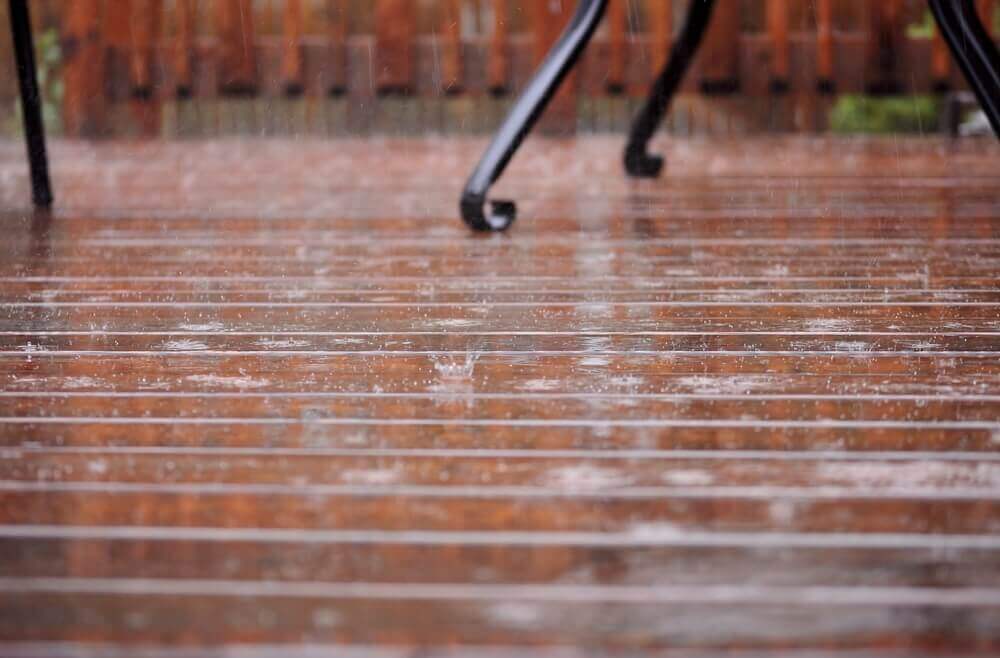
One of the most frustrating exterior maintenance experiences a DFW homeowner can have is watching a freshly completed staining or sealing job get undone by weather that arrived before the treatment had time to cure. Rain that washes uncured stain off fence boards. Humidity that causes fresh concrete sealer to cloud and bubble. Heat that dries stain on the surface before it penetrates into the wood. All of these failures are avoidable — but avoiding them requires understanding how weather interacts with fresh stain and sealant and planning projects around the conditions that allow treatments to cure correctly.
In the DFW climate, where weather can change dramatically within hours and seasonal conditions create specific application windows that are narrower than in more temperate regions, weather awareness isn't a nice-to-have for exterior treatment projects. It's one of the most important factors in whether the investment in staining or sealing delivers the results it should.
Why Curing Time Is the Critical Variable
Before getting into specific weather conditions, it helps to understand why curing time matters so much for stain and sealant performance — because the window between application and full cure is when weather can do the most damage.
Stain and sealant products don't become protective the moment they're applied. They require a curing period during which the chemistry of the product completes — oil-based stain penetrates further into wood fiber, solvent carriers evaporate, and the protective compounds bond with the substrate. During this curing window, the treatment is vulnerable to disruption from rain, humidity, and temperature extremes in ways that fully cured treatments are not.
A fully cured oil-based fence stain can handle rain without damage — the stain is inside the wood fiber where rain can't reach it. Uncured stain that's still in the process of penetrating is vulnerable to being diluted, washed off the surface, or prevented from completing its penetration by rain water that fills the wood pores the stain is trying to occupy.
The length of the curing window varies by product — typically 24 to 48 hours for most oil-based fence stains and 24 to 72 hours for concrete sealers depending on temperature and humidity. Protecting that window from problematic weather conditions is what professional contractors do when scheduling exterior treatment projects.
Rain: The Most Obvious Weather Risk
Rain is the weather condition most homeowners think about when planning staining or sealing projects — and for good reason. Rain on fresh stain or sealant before curing is complete causes some of the most visible and most frustrating failures.
Rain on fresh fence stain:
Oil-based fence stain that's rained on within the first 24 hours of application typically shows one of two failure modes depending on how much rain arrives and how far along in the curing process the stain was.
Light rain that arrives 12 to 18 hours after application on a warm day — when stain has partially penetrated but hasn't fully cured — often causes surface wash marks where rain has moved uncured stain across the board faces before it set. These marks are visible as lighter streaks or uneven tone across sections that looked uniform on application day.
Heavy rain that arrives within the first few hours of application — before significant penetration has occurred — can wash the stain off the surface almost entirely in the worst cases. The wood looks as if it was barely stained, with the stain that was still sitting on the surface carried away by rain water before it had time to soak in.
The minimum dry weather window needed after fence stain application in DFW conditions is 24 hours — longer in cooler temperatures or high humidity. Professional staining operations check weather forecasts for 48-hour dry windows before scheduling application, not just the day of the project.
Rain on fresh concrete sealer:
Concrete sealer is even more sensitive to rain during curing than fence stain. Water that contacts topical sealer before it has cured causes the white clouding and bubbling that's one of the most common sealer failure complaints. The water disrupts the film formation process — instead of the sealer curing into a clear, continuous protective film, it cures into a milky, opaque surface with visible texture disruption where rain drops contacted the wet sealer.
This clouding is often permanent — it doesn't clear as the sealer continues to cure. Fixing it typically requires stripping the failed sealer and reapplying, which costs more in total than the original project.
The dry weather window for concrete sealer is typically 24 to 48 hours after application — and this means no rain, no heavy dew, and no irrigation system activation in the sealed area during that period.
Heat and Direct Sun: The Opposite Problem
While rain is the most obvious weather risk for fresh stain and sealant, heat and direct sun create an opposite but equally damaging problem — particularly relevant in DFW's long, intense summers.
Heat effects on fence stain:
Oil-based stain requires adequate penetration time after application — the stain needs to soak into wood fiber before the solvent carriers evaporate and the product sets. In cool to moderate temperatures, this penetration process proceeds at the rate the product was formulated for.
In high heat — particularly on a wood surface in direct DFW summer sun where surface temperatures can reach 140°F or higher — the stain dries on the surface before it has fully penetrated into the wood fiber. The solvent carriers evaporate rapidly in the heat, and the stain sets as a surface layer rather than completing the deep penetration that provides long-term protection.
The result is stain that looks good on application day but behaves more like paint than a penetrating treatment — sitting on top of the wood where it's vulnerable to peeling and surface wear rather than protected inside the fiber.
This is why professional staining operations in DFW don't apply stain to surfaces in direct summer sun during peak heat hours. Applications are scheduled for early morning before surface temperatures peak, or for seasons where surface temperatures stay in the range the product was designed for.
Heat effects on concrete sealer:
Concrete sealer applied to a surface that's been in direct DFW summer sun has a similar problem. Surface temperatures on concrete in direct sun can significantly exceed air temperature — concrete absorbs and retains heat effectively. Sealer applied to overheated concrete dries too quickly on the surface, preventing even film formation and producing a finish with bubbling, streaking, and inconsistent sheen.
Most concrete sealer manufacturers specify maximum surface temperatures for application — typically around 90°F surface temperature. In DFW summer, concrete surfaces in direct sun regularly exceed this limit even when air temperatures are in the upper 80s. Application in early morning, on shaded surfaces, or in spring and fall when surface temperatures stay within specification is the correct approach.
Humidity: The Invisible Factor That Causes Visible Problems
Humidity is the weather variable that causes the most confusion in DFW exterior treatment projects because it's not as obviously problematic as rain but creates significant issues with both fence staining and concrete sealing.
Humidity effects on fence staining:
High humidity means the air is already carrying significant moisture. Wood surfaces in high humidity have higher moisture content than in dry conditions — even wood that has been pressure washed and given drying time can hold more moisture in high-humidity conditions than in low-humidity ones.
Staining in high humidity produces slower drying and curing times — the solvent carriers in oil-based stain evaporate more slowly when the air is already moisture-saturated. Extended cure time means a longer vulnerable window for rain disruption. It also means the stain may not fully penetrate before it stops flowing, producing less deep penetration than the same application in optimal humidity conditions.
The target humidity range for professional fence staining application is typically below 85 percent relative humidity. DFW's spring — which is otherwise the ideal staining season — regularly produces mornings above this threshold that clear by midday. Professional contractors monitor humidity conditions and schedule application for the low-humidity window of each day rather than starting at first light regardless of morning humidity.
Humidity effects on concrete sealer:
Concrete sealer is more sensitive to humidity than fence stain because the film formation process that creates the protective layer is disrupted by moisture in the ambient air as well as moisture in the substrate.
Topical sealers applied in high humidity cure with a hazy or milky finish rather than the clear, consistent film that low-humidity application produces. The moisture in the air interferes with the solvent evaporation that clears the sealer film as it cures. In extreme humidity — common in DFW on spring and fall mornings — this haze can be pronounced enough to permanently affect the appearance of the cured sealer.
DFW's Ideal Weather Windows for Staining and Sealing
Given all of the weather sensitivities described above, the practical question for DFW homeowners is when the conditions are actually right for staining and sealing projects. The answer aligns with the seasonal guidance that experienced contractors use.
Spring — March through May: The primary application window for both fence staining and concrete sealing. Temperatures are moderate, humidity is manageable on most days, and rainfall is more predictable than summer's sudden thunderstorm pattern. The key spring consideration is scheduling around the wet periods — targeting the dry stretches between rain events and monitoring morning humidity before starting application.
Fall — September through November: The second ideal window. October in particular often delivers the most reliable staining and sealing conditions in DFW — moderate temperatures, lower humidity than spring, and longer dry stretches between rain events. Fall application puts treatments in place before winter freeze-thaw cycles test them.
Summer — June through August: The most challenging application season. Useful for early morning applications when surface temperatures haven't peaked and when multi-day dry stretches occur, but requiring more careful scheduling and more weather monitoring than spring or fall. Many professional contractors in DFW limit summer staining and sealing to morning applications and avoid direct-sun surfaces during peak heat hours.
Winter — December through February: Generally the least suitable season for staining and sealing in DFW. Low temperatures slow curing, and the risk of freeze events during the cure window is highest. Winter applications are possible during mild stretches but require specific temperature monitoring to ensure the treatment completes curing before temperatures drop.
How Professional Contractors Manage Weather for Your Project
Professional exterior treatment contractors in DFW don't just check the weather on the day of the project — they monitor forecasts across the full curing window before scheduling application.
For fence staining, this means confirming a 48-hour dry weather window, checking morning humidity before starting application, and monitoring surface temperatures throughout the application day to avoid working in conditions where surface heat will prevent proper penetration.
For concrete sealing, it means the same rain and humidity checks plus surface temperature monitoring to ensure concrete hasn't been in direct sun long enough to exceed product specification before application begins.
DFW Pressure Washing & Fence Staining LLC schedules every staining and sealing project around these weather requirements — not around calendar convenience. If weather conditions on the scheduled day aren't within the parameters that allow correct application and curing, we reschedule. The three-year warranty we back every staining project with is only possible because we don't compromise on the conditions that determine whether results hold up.

Want to make sure your DFW fence staining or concrete sealing project is scheduled in the right conditions — with proper weather monitoring, correct surface temperature assessment, and the full curing window protected before any treatment goes down? DFW Pressure Washing & Fence Staining LLC plans every project around the weather conditions that allow treatments to cure correctly — because application in the wrong conditions produces results that don't last, and results that don't last aren't worth the investment.
Get Your Free Estimate → dfwpressurewashing.net/contact-us
DFW Pressure Washing & Fence Staining LLC


