Blog
Pressure Washing and Wood Staining for DFW Properties With Mature Trees — What Changes and Why
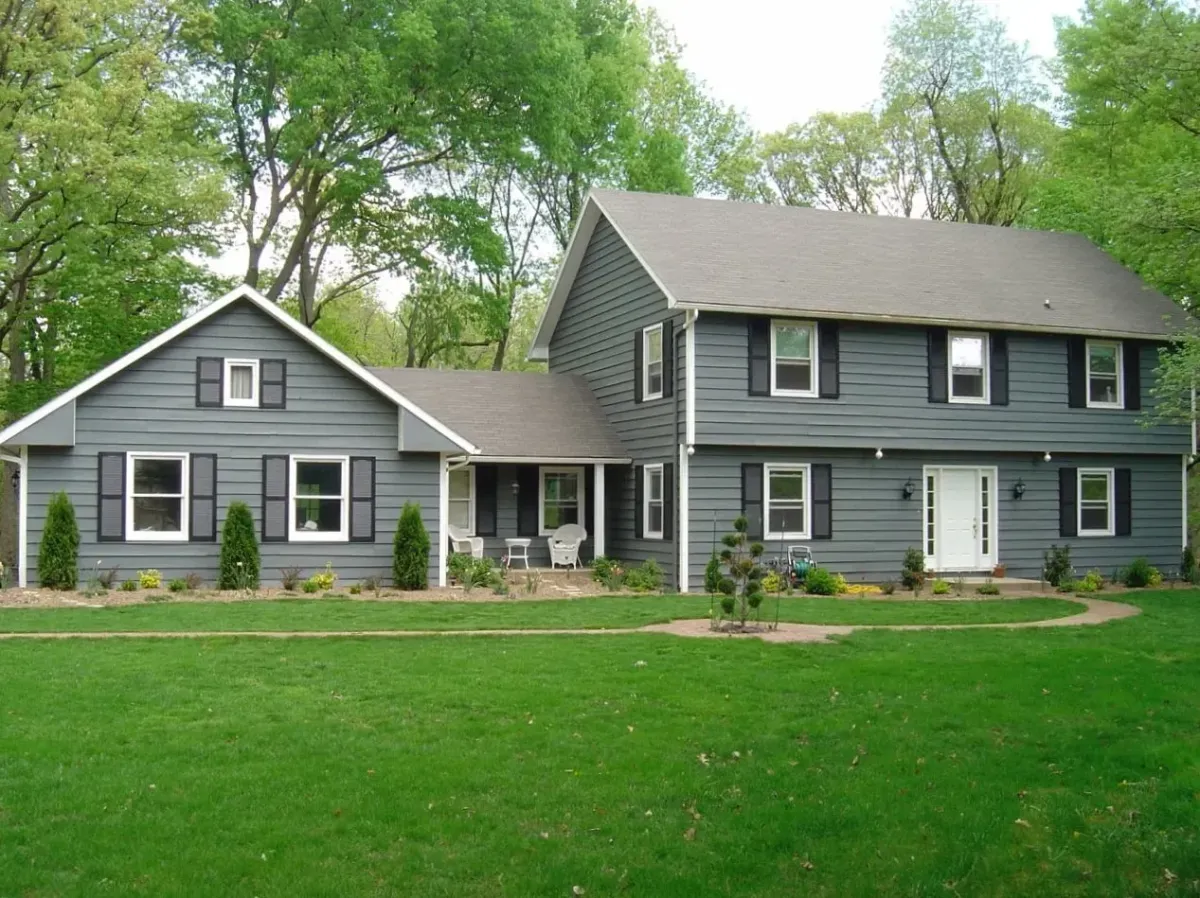
Properties with mature tree coverage in the Dallas-Fort Worth area are among the most desirable in the Metroplex — the shade, character, and property value that mature oaks, pecans, and elms provide are genuine assets that DFW homeowners value and pay premiums for. They're also among the most demanding properties to maintain from an exterior surface perspective. The same trees that make the property desirable create specific maintenance challenges for every exterior surface — accelerating biological growth, depositing organic staining compounds, creating moisture conditions that deplete stain faster, and maintaining conditions that require adjusted service frequency compared to standard guidance.
This blog consolidates what previous blogs have touched on individually into a single guide for DFW homeowners with significant tree coverage — covering how trees specifically affect pressure washing needs, wood staining cycles, and concrete sealing for the surfaces most affected.
Why Tree Coverage Changes the Maintenance Equation
Understanding what trees do to exterior maintenance conditions — specifically and mechanically rather than generally — explains why the standard maintenance schedules developed for average properties need adjustment for properties with significant mature canopy.
Shade reduces UV on horizontal surfaces but increases moisture retention: Shade from tree canopy reduces the UV intensity on surfaces beneath it — which sounds like it would slow deterioration. For UV-driven deterioration like stain fading and lignin degradation on vertical wood surfaces, shade genuinely slows the process. But shade's simultaneous effect — keeping surfaces damp longer after rain events — creates conditions that accelerate biological growth far more than the reduced UV slows other deterioration. The net effect for most shaded surfaces in DFW is faster deterioration than open-exposure surfaces experience, because biological growth damage under tree canopy exceeds the UV protection benefit.
Organic material deposits continuously: Trees deposit organic material on every surface below them year-round — pollen during spring reproductive cycles, leaf debris through fall deciduous seasons, insect byproducts during summer pest seasons, and seed pods and bark fragments throughout the year. This organic deposition creates the nutrient substrate that biological organisms need to establish and thrive, and the tannin compounds in many DFW tree species create the direct staining that accumulates on concrete and wood surfaces season after season.
Root proximity creates moisture concentration: Mature tree root systems in DFW's clay soil interact with fence lines and concrete surfaces in ways that affect maintenance conditions. Roots near fence lines create moisture pathways that keep soil adjacent to fence posts more consistently wet than soil away from root systems — accelerating the post base deterioration and biological growth establishment that moisture promotes. Roots near concrete surfaces contribute to the crack patterns and surface heaving that affect concrete condition.
Pressure Washing Frequency for Properties With Mature Tree Coverage
Standard annual spring pressure washing guidance was developed for properties with typical DFW conditions — moderate biological growth from seasonal moisture, standard atmospheric deposit accumulation, and normal organic debris from the surrounding environment. Properties with significant mature tree coverage have all of these conditions at amplified levels that warrant adjusted service frequency.
Twice-yearly cleaning for heavily canopied surfaces:
Walkways under mature oak or pecan canopy that are continuously shaded and continuously receiving organic debris benefit from semi-annual cleaning rather than annual. Spring cleaning addresses the winter organic accumulation and the early biological growth before peak spring growth conditions accelerate it. Fall cleaning addresses the summer's biological growth expansion and the fall leaf deposits before they bond into the surface through the wet fall and winter season.
This semi-annual frequency for shaded walkways isn't excessive — it's the frequency that prevents the multi-season accumulation that makes cleaning significantly more difficult and biological growth significantly harder to fully address.
Post-leaf-fall targeted cleaning:
For concrete patios and driveway sections under deciduous tree canopy, a targeted cleaning specifically timed after the majority of leaf fall in October or November — before heavy winter rain drives tannin compounds deeply into concrete surfaces — is one of the most cost-effective maintenance additions for treed DFW properties. This targeted cleaning removes the tannin staining risk from fallen leaves before it bonds permanently rather than cleaning up permanent staining in spring.
Siding cleaning timing for properties with spring flowering trees:
DFW properties with significant spring-flowering tree coverage — particularly cedar elms during their reproductive period — sometimes experience concentrated pollen and organic material deposits on siding that are heavier than standard atmospheric pollen accumulation. For these properties, scheduling siding soft washing specifically after the heavy pollen period ends rather than at a fixed calendar date produces more thorough results than early spring cleaning before pollen season completes.
Wood Staining Cycles for Fences Under Tree Canopy
The standard two to three year fence staining cycle in DFW was developed for fence sections with typical sun and moisture exposure. Fence sections under heavy mature tree canopy have different exposure profiles that affect how stain depletes — often producing faster depletion than the standard guidance suggests.
The moisture cycling acceleration under tree canopy:
Fence sections adjacent to mature trees in DFW experience more frequent and more intense moisture cycling than open-exposure sections — the tree root systems in DFW's clay soil act as moisture concentrators, drawing groundwater toward the surface and maintaining higher soil moisture adjacent to fence posts than non-root areas maintain. Combined with the irrigation that landscape trees typically receive, fence sections near mature trees may be wetted by direct sprinkler contact, soil moisture from root zone irrigation, and roof canopy drip during rain — multiple simultaneous moisture sources that open-exposure fence sections don't face.
Each additional moisture contact event depletes stain protection incrementally — the oil compounds in the stain that resist moisture absorption are degraded by each wetting and drying cycle. Fence sections near mature trees that face two or three times the wetting events of open-exposure sections deplete their stain protection correspondingly faster.
The biological growth acceleration under tree canopy:
The biological growth conditions under tree canopy in DFW are among the most intense on any residential surface. Persistent shade, continuously deposited organic nutrient substrate from tree debris, and consistently elevated moisture create conditions where algae and mildew establish rapidly on fence boards and roots deeply into wood fiber. This biological activity produces the mild acids that degrade stain protection — accelerating depletion from below the stain surface simultaneously with the weather-driven depletion from above.
Fence sections under heavy oak or pecan canopy in DFW may show stain depletion at 18 months where open-exposure sections of the same fence are still performing at 24 months. Monitoring the most canopied fence sections specifically at the 18-month water bead test assessment — rather than assessing the full fence at once and scheduling based on average condition — allows targeted restaining of sections that have depleted while open-exposure sections continue providing protection.
The honeydew complication for cedar elm properties:
Cedar elm trees are one of the most common street and yard trees in established DFW neighborhoods, and they're prone to significant aphid infestations during certain seasons. Aphid honeydew — the sticky substance aphids produce — falls on every surface under affected trees during infestation periods. Honeydew on fence boards creates a sticky surface deposit that holds additional organic debris, feeds sooty mold growth, and interferes with how stain adheres to wood if allowed to build up before the next staining cycle.
For properties with cedar elm trees that have experienced aphid infestations, cleaning fence sections affected by honeydew deposits before staining — not just standard pressure washing, but specifically addressing the sticky residue that standard washing may not fully remove — is an important prep step that standard fence staining guidance doesn't address.
Concrete Sealing on Properties With Mature Tree Coverage
Concrete sealing on DFW properties with mature trees faces the same accelerated contamination environment that affects staining cycles — and the specific contamination types that different tree species produce have different implications for concrete maintenance that homeowners on heavily treed properties should understand.
Accelerated sealer depletion from biological growth:
Sealed concrete under tree canopy in DFW accumulates biological growth more rapidly than open-exposure sealed concrete — the shade, moisture, and organic nutrient conditions that trees create are favorable for algae and mildew even on sealed surfaces. Biological growth on sealed concrete doesn't penetrate the sealed pore structure as effectively as it penetrates unsealed concrete, but the organisms that establish on the sealer surface produce acids that degrade the sealer film from above. Faster biological establishment on canopied concrete surfaces means faster sealer degradation — potentially shortening the expected sealing cycle by months.
Tannin staining and sealer interaction:
Oak and pecan leaf tannins are among the most chemically aggressive natural staining compounds that DFW concrete surfaces face. On sealed concrete, tannin deposits that sit on the surface during the fall leaf season don't penetrate the sealed pores as effectively as they penetrate unsealed pores — which is the protection sealing provides. But tannin deposits that remain on the sealed surface through a wet fall season can interact with the sealer surface chemistry in ways that cause discoloration within the sealer film rather than just staining the concrete below it.
Prompt removal of leaf debris from sealed concrete on properties with heavy oak or pecan canopy — rather than allowing leaves to sit through fall rain events — reduces both the tannin penetration risk and the sealer surface chemistry impact that extended tannin contact produces.
Sap deposits on concrete under specific tree species:
Bois d'arc (Osage orange) trees, common in older DFW neighborhoods, drop large green fruits throughout fall that deposit sticky juice on concrete contact surfaces. The juice from these fruits stains sealed and unsealed concrete aggressively, and the staining bonds quickly in DFW's fall warmth. Cleaning these deposits within hours of occurrence — rather than leaving them for scheduled cleaning — prevents the most difficult staining outcomes on properties with these trees.
The Post-Specific Risk for Treed Properties: What Fence Posts Face Near Trees
Fence posts adjacent to mature trees in DFW face specific conditions that don't apply to posts in open areas — and understanding these conditions helps homeowners know what to assess and how frequently for fence posts in their most tree-adjacent sections.
Root competition for post stability:
Mature tree root systems that extend through fence line areas create soil conditions that affect post stability differently than the standard expansive clay soil discussion describes. Root systems in DFW's clay create channels for moisture movement that concentrate water along root paths — which can create localized high-moisture conditions adjacent to fence posts that are positioned near major roots.
Posts in these localized high-moisture zones experience the expansion-and-contraction force of clay soil at higher frequency and intensity than posts in areas where soil moisture is more uniform. The cumulative movement effect on posts in root-adjacent locations can produce visible leaning faster than posts in open clay conditions.
Root-related post base deterioration:
The decomposing organic material from fine root systems in the soil adjacent to fence posts creates localized conditions highly favorable for the fungal organisms that cause post base rot. DFW's standard clay soil already creates more favorable rot conditions than sandy soils — adding the organic enrichment of decomposing root material creates rot conditions that are more aggressive than what posts in root-free clay soil face.
Posts in heavily root-adjacent fence sections should be inspected specifically during annual spring assessments — pressing on the post at grade level to check for the softness that indicates developing rot, and checking the soil immediately around the post base for the moist, organic-enriched conditions that signal active fungal activity.
The Practical Adjusted Maintenance Schedule for Treed DFW Properties
For DFW homeowners with significant mature tree coverage, here's how the standard maintenance guidance adjusts for the specific conditions trees create.
Pressure washing: Semi-annual for shaded walkways and patio surfaces — spring cleaning after pollen season and fall cleaning after primary leaf fall. Annual for driveway sections in partial shade. Standard annual for open-exposure surfaces. Add targeted post-leaf-fall cleaning for concrete under oak and pecan specifically.
Fence staining: Water bead test at 18 months on the most heavily canopied fence sections. Schedule restaining when depleted sections fail the test rather than waiting for the full two to three year standard cycle. Open-exposure sections can follow the standard cycle even if canopied sections are being restained earlier — targeted section restaining avoids restaining sections that don't need it.
Concrete sealing: Two-year assessment cycle for concrete under heavy canopy rather than standard two to three years. Watch specifically for tannin staining after leaf fall seasons and address with prompt removal rather than seasonal cleaning only. Monitor sealer condition specifically after any aphid honeydew or fruit sap events rather than just at standard assessment windows.
Post inspection: Spring assessment of all fence posts adjacent to mature trees specifically — looking for early movement signs, base softness, and the soil moisture conditions that indicate accelerated rot risk. Inspect these sections twice yearly if irrigation zones also run near these posts.
Professional Exterior Maintenance for Treed DFW Properties
DFW Pressure Washing & Fence Staining LLC provides pressure washing, wood staining, concrete sealing, and fence installation throughout the Dallas-Fort Worth area — including properties with the mature tree coverage that creates the more demanding maintenance conditions described in this guide.
Every service for properties with significant tree coverage includes assessment of the specific tree species and canopy conditions affecting each surface — adjusting service approach, pre-treatment selection, and maintenance frequency recommendations to the actual conditions rather than the standard guidance developed for average-exposure properties.

Want to make sure your DFW property's exterior maintenance schedule is calibrated to what your specific tree coverage actually does to your fence, concrete, and siding — rather than standard guidance that underestimates the maintenance demand that mature canopy creates? DFW Pressure Washing & Fence Staining LLC assesses every surface in the context of its specific exposure conditions and gives you maintenance recommendations that account for what the trees on your property are doing to every surface around them.
Get Your Free Estimate → dfwpressurewashing.net/contact-us
DFW Pressure Washing & Fence Staining LLC


