Blog
Pressure Washing in DFW HOA Communities: What Residents and Property Owners Need to Know
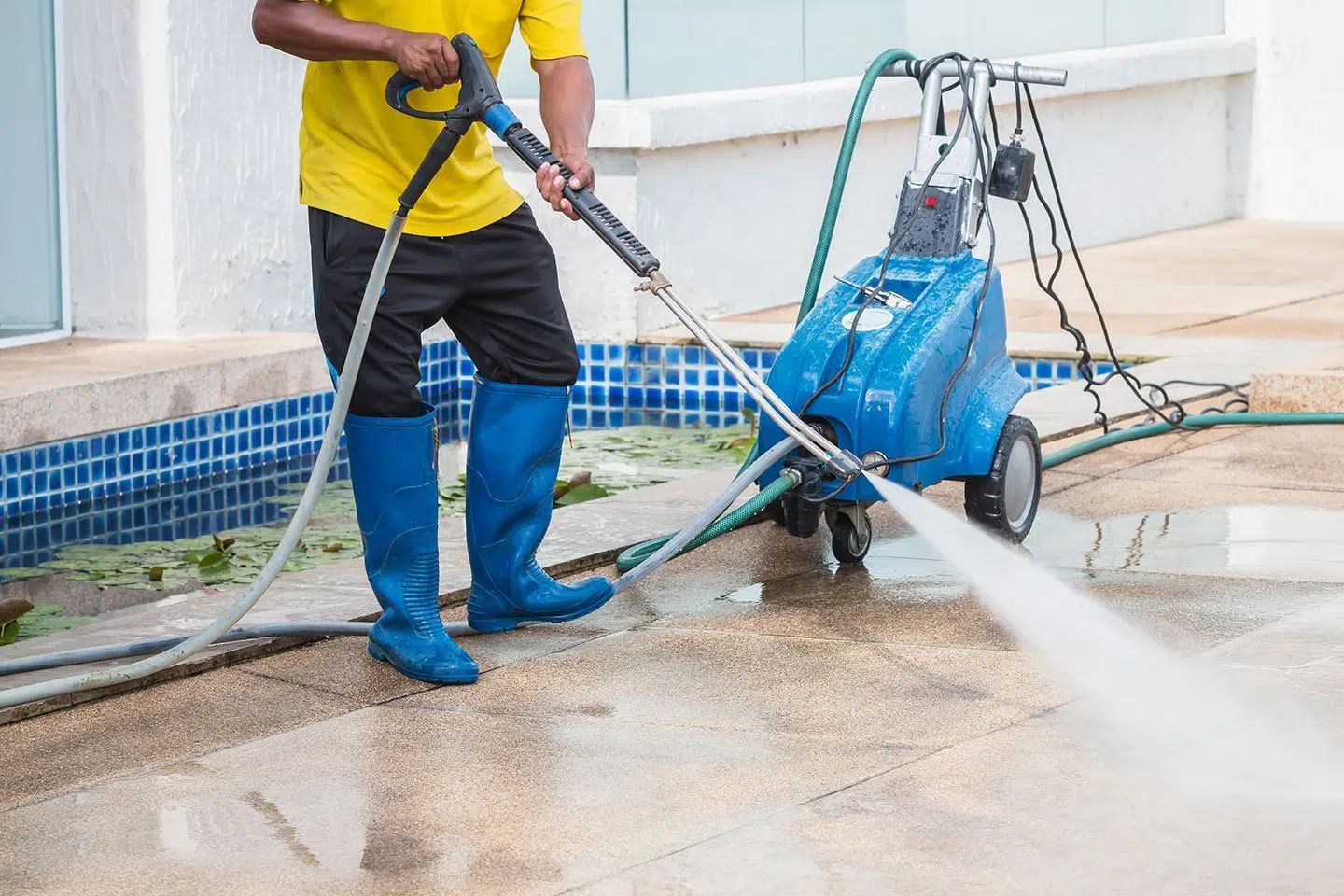
Homeowners association communities in the Dallas-Fort Worth area have some of the most active exterior maintenance enforcement in the residential market — DFW's HOA-dense new construction neighborhoods and established planned communities maintain standards that affect property appearance, neighborhood character, and individual homeowner compliance status. Professional pressure washing is one of the most direct and most cost-effective tools available for meeting these standards — and for avoiding the violation notices that exterior contamination and biological growth generate in HOA communities that actively monitor compliance.
Understanding how HOA exterior maintenance standards apply to pressure washing decisions, what specific conditions generate violations, and how professional cleaning prevents the compliance issues that reactive cleaning addresses after the fact helps DFW HOA residents manage their compliance proactively.
What HOA Exterior Maintenance Standards Typically Require
DFW HOA communities vary significantly in the specificity of their exterior maintenance requirements — some have detailed guidelines that address specific surface conditions, others have general standards that require maintenance consistent with neighborhood appearance. Most fall somewhere between these extremes.
Common HOA exterior standards that pressure washing directly addresses:
Siding and exterior walls: Most DFW HOA communities require that home siding be free of visible biological growth, staining, and contamination that differs significantly from the original surface appearance. The dark streaking on north-facing siding, green patches on lower wall sections, and the general gray-brown discoloration of atmospheric accumulation are all conditions that active HOA communities flag as maintenance violations.
Driveways and hardscape: HOA communities that include hardscape standards typically require that driveways and walkways be reasonably clean and free of the biological growth that creates safety hazards and appearance conditions inconsistent with neighborhood standards. Oil staining that's extensive and visually prominent, widespread biological growth, and significant tarnin staining from neglected leaf accumulation all fall within what active HOA communities enforce.
Fences: Wood fence appearance standards in HOA communities typically require that fences be maintained in painted or stained condition — gray, weathered, unstained wood that's visibly deteriorating from UV damage generates the fence maintenance violation notices that DFW HOA residents receive.
How HOA Violation Notices Work and What They Cost
Understanding the HOA violation process helps DFW homeowners appreciate why proactive maintenance is more cost-effective than reactive compliance.
The notice process:
Most DFW HOA communities conduct regular exterior inspections — either through paid management company inspection services or through volunteer architectural review committees — that identify properties with conditions that fall outside community standards. Properties with identified violations receive written notice requiring correction within a specified timeline — typically 14 to 30 days for initial notices.
The cost of non-compliance:
Properties that don't correct identified violations within the notice timeline receive follow-up notices and, in most DFW HOA communities, fines that accumulate with each additional compliance period. Fine structures vary by community — some are nominal, others generate meaningful financial consequences for extended non-compliance.
Beyond the direct fine cost, unresolved HOA violations create complications at property sale — title searches that reveal active HOA violations or unpaid fines require resolution before transactions can close, and the rushed correction that sale timelines create is more expensive than proactive maintenance would have been.
The proactive alternative:
DFW homeowners who maintain their properties on regular annual exterior cleaning cycles rarely receive HOA violation notices for surface condition issues — because the conditions that generate violations don't develop to the point where they're visible to inspectors. Annual spring pressure washing and soft washing that removes biological growth, atmospheric deposits, and visible staining maintains the surface conditions that HOA standards require without the reactive urgency of violation-driven compliance.
Coordinating Pressure Washing With HOA Inspection Cycles
Many DFW HOA communities conduct their most thorough exterior inspections in spring — the season when biological growth from the wet winter is most visible and when the properties that don't meet maintenance standards are easiest to identify against the backdrop of properties that do.
Scheduling annual spring pressure washing before HOA inspection cycles — rather than after violation notices arrive — ensures that exterior surfaces are in their best condition when inspectors evaluate the neighborhood. This isn't about gaming the inspection process; it's about being genuinely compliant when inspections occur rather than scrambling to comply after they do.
The spring timing that makes sense for biological growth removal — after pollen season, before summer heat bakes deposits into surfaces — also aligns naturally with the pre-inspection timing that keeps HOA compliance status clean.
Common HOA Pressure Washing Questions
"My HOA sent a violation notice about my siding — what specifically do I need to do?"
Most siding violation notices describe the condition that needs correction — biological growth, staining, or general soiling — rather than specifying a particular cleaning method. Professional soft washing that removes the identified condition and restores the siding to a clean appearance consistent with community standards resolves the violation. Documenting the cleaning with dated photographs and the contractor service invoice provides the compliance evidence that HOA management typically requires.
"My HOA requires that fences be 'maintained in good condition' — does this mean staining?"
HOA fence maintenance standards that require "good condition" or "maintained appearance" almost always include stain or paint condition as part of what they're evaluating. Cedar fence boards that are gray and visibly weathered from UV damage are in a condition that most DFW HOA communities consider maintenance deficient — the fence isn't "maintained" in the way the standard requires. Professional staining that restores the fence to a maintained appearance resolves this compliance issue.
"Can my HOA require a specific cleaning schedule?"
Some DFW HOA communities include exterior maintenance schedule requirements in their governing documents — requiring that surfaces be cleaned or maintained within specified intervals. These requirements vary by community. Homeowners who are uncertain about whether their specific HOA has schedule requirements should review their community's CC&Rs and architectural guidelines or contact the HOA management company directly.

DFW Pressure Washing & Fence Staining LLC provides residential pressure washing, soft washing, fence staining, and concrete sealing throughout the Dallas-Fort Worth area — including Kennedale, Arlington, Mansfield, Fort Worth, Grand Prairie, and surrounding communities.
Every service includes documentation appropriate for HOA compliance records — dated service invoices and scope confirmation that establish when cleaning was performed and what was addressed. For properties responding to violation notices, we coordinate service timing to meet HOA correction deadlines and can provide documentation formatted for HOA management company requirements.
Get Your Free Estimate → dfwpressurewashing.net/contact-us
DFW Pressure Washing & Fence Staining LLC


