Blog
Pressure Washing Safety: What Every Homeowner Should Know Before Picking Up the Wand
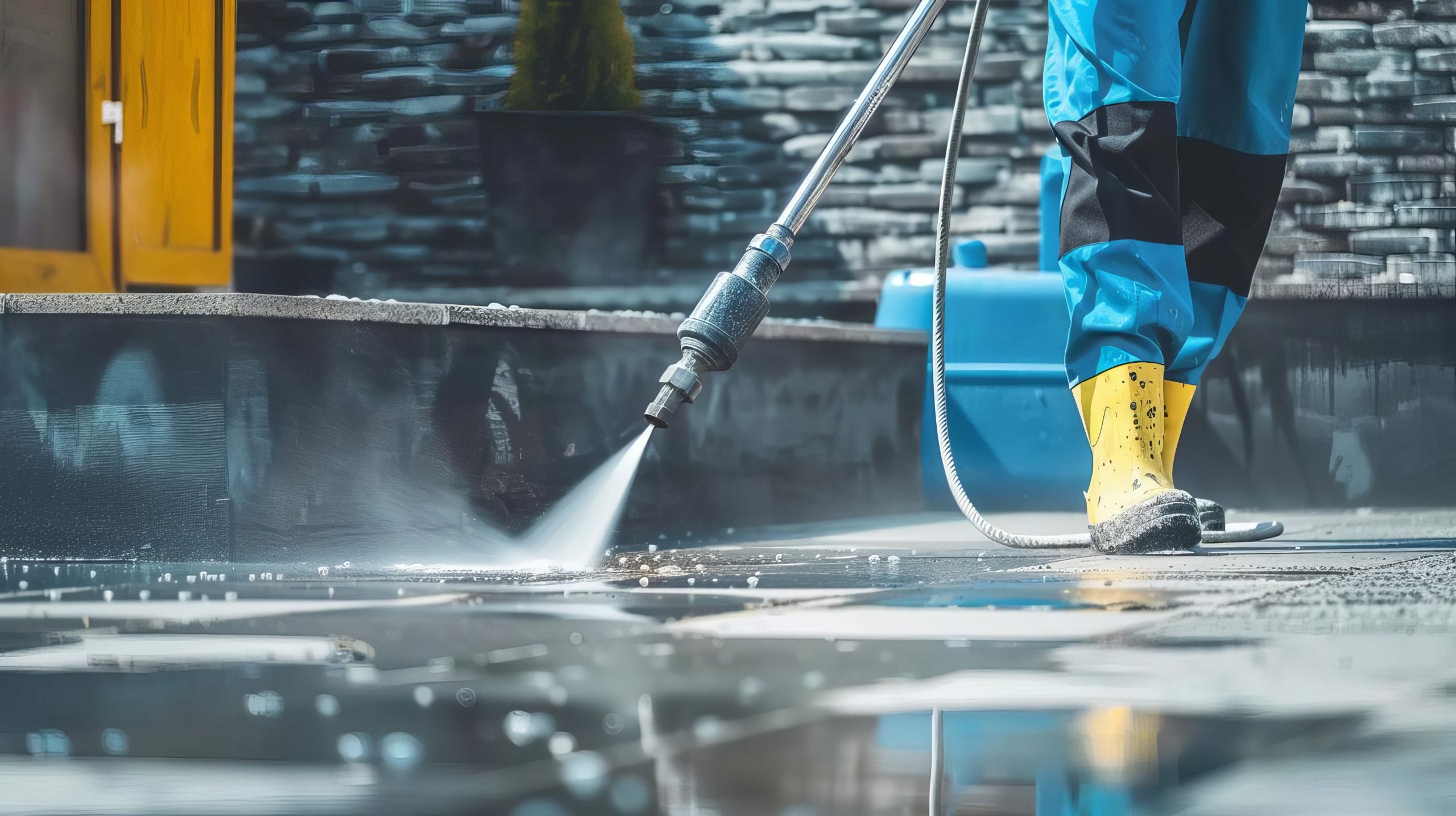
Pressure washing has a deceptively approachable reputation. The equipment is available for rent at every hardware store in the DFW area. The basic operation — point and spray — seems straightforward. And the results are immediately visible and satisfying in a way that makes the task feel low-stakes.
It isn't. A pressure washer operating at 3,000 PSI delivers water at a velocity that can cut through skin, cause deep tissue injuries, and in serious cases result in injuries that require hospitalization. Beyond the direct injury risk, improper technique causes property damage, electrical hazards, and environmental violations that create liability exposure for the homeowner.
None of this means pressure washing is unreasonably dangerous. It means it's equipment that requires respect, preparation, and the right technique — the same as any power tool. Here's what every DFW homeowner should know about pressure washing safety before picking up the wand, whether they're tackling a DIY project or simply understanding what to expect when a professional crew is working on their property.
Understanding the Force Behind the Equipment
The most important safety fact about pressure washers is one that most first-time users genuinely underestimate: the water stream from a pressure washer at operating pressure is not like a garden hose turned up high. It's a concentrated jet of water with enough force to strip paint, etch concrete, and cause serious lacerations.
Consumer electric pressure washers typically operate between 1,500 and 2,000 PSI. Professional gas-powered units used for concrete cleaning operate between 2,500 and 4,000 PSI. At 2,000 PSI, the water stream from a zero-degree nozzle can penetrate skin at distances of several feet. At 3,000 PSI, that penetration risk extends further and the force at close range is capable of causing injuries that look minor externally but involve deep tissue damage requiring immediate medical attention.
Injection injuries — where high-pressure fluid penetrates the skin and travels through tissue — are the most serious pressure washer injury type. They look like small puncture wounds externally but cause internal damage from fluid, bacteria, and paint or chemical compounds that enter with the water. These injuries are medical emergencies even when they appear minor, and delayed treatment dramatically worsens outcomes.
Understanding this isn't meant to discourage DIY pressure washing — it's meant to establish the respect level the equipment deserves from the moment it's turned on.
Personal Protective Equipment: What to Wear and Why
Before operating any pressure washer, appropriate personal protective equipment needs to be in place. This isn't optional — it's the minimum standard for safe operation.
Eye protection: Safety glasses or goggles are required for pressure washing. The water stream kicks up debris — sand, grit, paint chips, biological material — at high velocity, and any of these reaching the eye causes serious injury. Standard prescription glasses are not adequate — they don't provide the side and impact protection that safety glasses or goggles do. Goggles that seal around the eye are the stronger option for any application involving chemical cleaning solutions.
Footwear: Closed-toe, slip-resistant footwear is required. The combination of water, biological growth, and cleaning solutions on the ground surface creates slippery conditions that cause falls — the most common pressure washing injury mechanism after direct stream contact. Steel-toed boots provide additional protection from direct stream contact with the feet.
Gloves: Waterproof gloves protect hands from cleaning solution exposure and reduce injury risk if the stream makes accidental contact with the hand near the nozzle. Chemical-resistant gloves are specifically required when working with pre-treatment solutions — sodium hypochlorite, acid-based treatments, and degreasers all cause skin irritation or burns with prolonged contact.
Long pants and sleeves: Covering skin reduces injury severity if the stream makes incidental contact with arms or legs during operation. It also protects from cleaning solution splash and debris impact.
Hearing protection: Gas-powered pressure washers operate at noise levels that cause hearing damage with extended exposure. Ear protection is appropriate for any session lasting more than a few minutes with a gas-powered unit.
Equipment Inspection Before Every Use
Inspecting the equipment before each use identifies mechanical problems that create safety risks during operation. On a rental unit that's been through multiple users, this inspection is particularly important because previous users may have returned equipment with damage that wasn't documented.
Hose inspection: Check the entire hose length for cracks, abrasions, kinks, or any areas where the outer jacket has been damaged. A high-pressure hose that fails during operation releases stored hydraulic energy suddenly — a whipping high-pressure hose causes serious injuries. Any hose showing damage should be replaced before use.
Connection inspection: Check that all connections — gun to hose, hose to machine, nozzle to gun — are tight and properly seated. Loose connections under operating pressure can blow apart suddenly, releasing the hose or creating pressurized water spray in unexpected directions.
Nozzle inspection: Check that the nozzle is fully seated and locked in the gun. An unsecured nozzle can be launched as a projectile when pressure builds. Inspect the nozzle tip for any damage or blockage — a partially blocked nozzle creates unpredictable spray patterns and higher localized pressure that increases injury risk.
Trigger safety: Verify that the trigger safety lock is functioning correctly. The safety should prevent unintended trigger activation when the gun is set down or handed off.
Electrical Safety: The Risk Most Homeowners Don't Think About
Water and electricity create electrocution risks that pressure washing introduces to home exteriors in ways that aren't always obvious. The combination of high-pressure water spray and the electrical systems present on a home exterior creates hazards that require specific awareness.
Exterior electrical outlets: Exterior GFCI outlets on DFW homes are weatherproofed but not designed for direct high-pressure water impact. Directing the pressure washer stream at electrical outlets — even briefly — can force water past weatherproofing seals and create shock hazards. Keep the stream away from all electrical outlets, cover them with waterproof caps before washing nearby surfaces, and avoid washing directly at electrical boxes.
Exterior lighting fixtures: Exterior light fixtures — porch lights, security lights, landscape lighting — are weatherproofed for rain exposure but not for high-pressure direct spray. Water forced into fixture housings creates immediate shock hazards and can damage the fixture wiring. Keep the stream away from all light fixtures and turn off exterior lighting circuits at the breaker before washing adjacent surfaces.
HVAC equipment: Air conditioning condensers and heat pump units on DFW homes are located outside and are designed for rain exposure but not for high-pressure direct spray. Directing the pressure washer stream at HVAC equipment can damage fins, force water into electrical components, and create both equipment damage and electrical hazards. Maintain distance from HVAC equipment during pressure washing and avoid directing spray toward these units.
Underground electrical: If you're aware of any outdoor extension cords or outdoor electrical equipment on the surface being washed, remove them before pressure washing begins. Submerging energized outdoor extension cords in the standing water that accumulates during pressure washing creates shock hazards.
Chemical Safety: Working With Pre-Treatment Solutions
Many pressure washing applications — particularly soft washing for biological growth on siding and roof surfaces — use chemical cleaning solutions that require their own safety protocols beyond basic pressure washer operation.
Sodium hypochlorite (bleach-based solutions): The biocidal solutions used for soft washing are diluted sodium hypochlorite — similar chemistry to household bleach but often at higher concentrations than consumer products. These solutions cause skin and eye irritation on contact, release chlorine vapor that irritates the respiratory system at higher concentrations, and can bleach or damage clothing and soft surfaces.
Safe handling requires chemical-resistant gloves, eye protection, and adequate ventilation. Never mix sodium hypochlorite with other cleaning chemicals — particularly acid-based products — as the reaction produces toxic chlorine gas. Protect nearby plants by pre-wetting them thoroughly before applying any hypochlorite solution and rinsing them after application.
Acid-based treatments: Products containing phosphoric acid, oxalic acid, or muriatic acid for mineral deposit removal are corrosive to skin, eyes, and respiratory tissue. These products require chemical-resistant gloves, eye protection, and attention to runoff — acid solutions that flow into landscaping or storm drains create environmental and liability concerns.
Always read the full label of any chemical product before use. Application rates, dwell times, required PPE, and disposal instructions are all on the label — following them is both a safety requirement and what makes the product work correctly.
Runoff management: Cleaning solution runoff from pressure washing and soft washing applications enters the surrounding environment through drainage. In the DFW area, this runoff typically enters storm drains that flow to local waterways without treatment. Certain cleaning chemicals — particularly concentrated bleach solutions and acid treatments — have environmental impact requirements for runoff management under EPA regulations. Professional contractors are aware of these requirements; DIY users should understand that rinse water from chemical applications isn't simply neutral wastewater.
Ladder Safety During Pressure Washing
Reaching elevated surfaces — second-story siding, fascia, high fence sections, and roof overhangs — creates a temptation to combine pressure washing with ladder use. This combination is one of the most dangerous scenarios in DIY pressure washing and is responsible for a significant portion of serious pressure washing injuries.
The fundamental problem: operating a pressure washer from a ladder combines the reactive force of the pressure washer wand — which pushes back against the operator with meaningful force when triggered — with the unstable platform of a ladder. The recoil from the trigger, combined with the physical effort of directing the wand, creates movement that a ladder user can't stabilize against the way a person standing on the ground can.
The recommendation from safety professionals is consistent: never operate a pressure washer from a ladder. If elevated surfaces need cleaning, use a pressure washer with an appropriate extension wand that allows ground-level operation, use soft washing with a low-pressure application system, or hire a professional with the equipment and experience to address elevated surfaces safely.
On DFW homes with two-story siding, high fence sections, or roof overhangs that need cleaning, this is one of the most compelling reasons to use professional service rather than DIY — not because the cleaning itself is beyond DIY capability, but because safely reaching elevated surfaces without ladder risk requires professional-grade extension equipment.
Children and Pets: Keeping Everyone Safe During a Pressure Washing Session
Pressure washing sessions on residential properties in DFW create safety hazards for children and pets that require specific planning before work begins.
Children should be kept inside and away from all windows and doors on the side of the house being washed for the entire duration of the session. This isn't overcautious — a direct stream contact with a child at operating pressure causes serious injury, and the equipment noise and activity of a pressure washing session is an attraction rather than a deterrent for curious children.
Pets should be brought inside before equipment is turned on. Dogs in particular react unpredictably to high-pressure water — some are attracted to it and approach the stream, others become stressed by the noise and movement. Either reaction creates a safety problem. Keep pets inside until equipment is packed up and wet surfaces have had time to dry.
When to Call a Professional Instead
The safety considerations described in this guide are manageable for a prepared, careful homeowner tackling appropriate DIY pressure washing tasks — concrete driveways, ground-level flatwork, and accessible fence sections. The risk profile changes significantly for certain scenarios where professional service is the safer and more practical choice.
Elevated surfaces that require ladder access. Roof surfaces that require direct access for cleaning. Large commercial properties where extended operation at high pressure creates cumulative fatigue risk. Properties with significant chemical pre-treatment needs where runoff management is a regulatory consideration. Any situation where the homeowner isn't confident in their ability to maintain safe standoff distance and technique throughout the project.
Professional pressure washing contractors handle these scenarios with appropriate equipment, training, and insurance — which means the homeowner isn't personally exposed to the injury risk, the property damage risk, or the liability exposure that comes with DIY pressure washing in scenarios that require professional-grade capability.
Professional Service With Safety at Every Step
DFW Pressure Washing & Fence Staining LLC provides residential and commercial pressure washing and soft washing services throughout the Dallas-Fort Worth area, including Kennedale, Arlington, Mansfield, Fort Worth, Grand Prairie, and surrounding communities. Every service is performed by experienced, fully insured crew members using professional-grade equipment with appropriate safety protocols for every surface and application type.
We handle the elevated surfaces, the chemical pre-treatments, the runoff management, and the technique consistency that safe professional pressure washing requires — so DFW homeowners get clean surfaces without the injury risk, property damage risk, or liability exposure that comes with DIY pressure washing beyond straightforward ground-level concrete cleaning.

Want to make sure your DFW property's exterior surfaces are cleaned safely, correctly, and without the risks that come with DIY pressure washing beyond basic flatwork? DFW Pressure Washing & Fence Staining LLC assesses every surface and application need during the property walkthrough — and handles every step with the equipment, training, and insurance that professional exterior cleaning requires.
Get Your Free Estimate → dfwpressurewashing.net/contact-us
DFW Pressure Washing & Fence Staining LLC


