Blog
Pressure Washing Sidewalks and Walkways in DFW: Why These Surfaces Get Overlooked and What It Costs
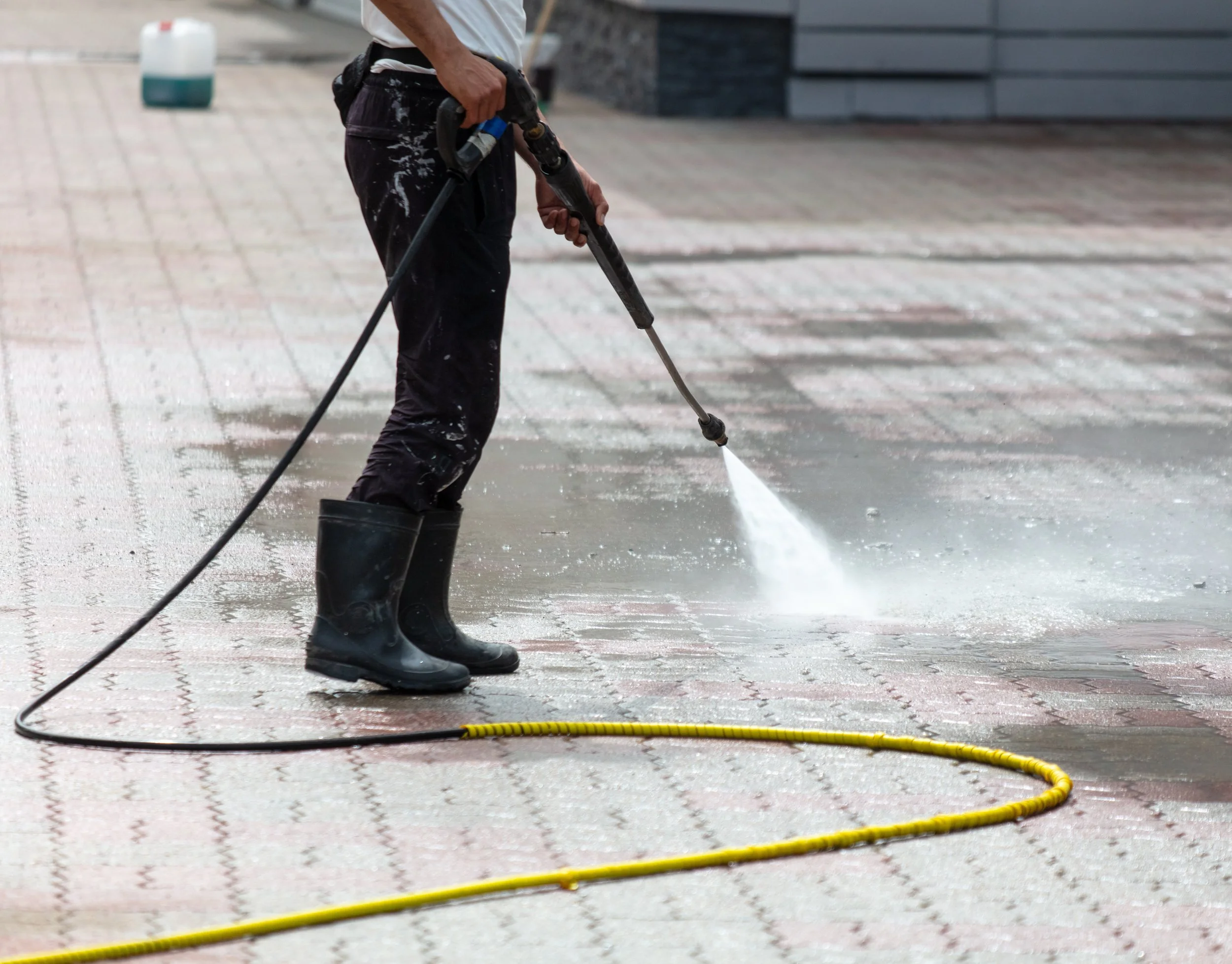
When DFW homeowners think about exterior cleaning priorities, driveways and patios get the attention. Sidewalks and walkways — the concrete paths that connect the driveway to the front door, run along the side of the house, or wind through the backyard — consistently get overlooked. They're functional surfaces that people use every day without thinking about them until something goes wrong.
What goes wrong on neglected sidewalks and walkways in the DFW climate is predictable, progressive, and more consequential than most homeowners expect — both for the surface condition and for the safety of everyone who uses them. Here's what regular pressure washing delivers for these often-forgotten surfaces and why neglecting them costs more than the cleaning would have.
Why Sidewalks and Walkways Deteriorate Faster Than Driveways
The counterintuitive reality about sidewalks and walkways in DFW is that they often deteriorate faster than driveways despite carrying less weight and less obvious contamination. The reasons are specific to how these surfaces are situated on most residential properties.
Shade and moisture retention: Sidewalks and walkways are frequently bordered by landscaping, overhung by trees, or situated along the north and east sides of the house where shade keeps surfaces damp longer after rain events. This persistent moisture creates ideal biological growth conditions — the same conditions that cause north-facing home siding to accumulate algae faster than south-facing siding. Driveways in full sun dry faster and accumulate biological growth more slowly than shaded walkways with similar weather exposure.
Organic debris accumulation: Walkways bordered by landscape beds collect leaf debris, seed pods, mulch, and organic material from adjacent plantings throughout the year. This organic accumulation holds moisture against the concrete surface and provides the nutrient substrate that biological growth needs to establish. The leaf tannin staining that develops where wet leaves sit against concrete is one of the most stubborn discoloration conditions on DFW walkways — and it accumulates season after season on surfaces that aren't regularly cleaned.
Root proximity: Many DFW residential walkways run near mature trees — the same trees that make neighborhoods shady and attractive also create the biological growth conditions and debris accumulation described above. Root proximity also contributes to the surface cracking and heaving that affects walkway concrete as mature root systems expand beneath the surface.
The Biological Growth Problem on DFW Walkways
Biological growth on walkway surfaces is the most consistent maintenance issue for these surfaces in North Texas — and it's the condition that creates the most immediate safety concern when left unaddressed.
Algae and mildew that establish themselves on shaded, damp walkway surfaces create a slippery coating that's particularly dangerous because it develops gradually and isn't always visually obvious until it's extensive. A walkway that appears merely dirty may actually have a biofilm layer that significantly reduces surface friction when wet — creating a genuine slip hazard for everyone who uses the path after rain.
The DFW spring and fall seasons — when walkway surfaces stay damp longest after rain events — are when biological growth accumulates most rapidly. By mid-spring on a walkway that wasn't cleaned in fall, the biological growth that established itself through the winter wet season has had months to develop. By mid-fall, summer humidity and the return of fall rain has added another growth cycle on top of whatever spring cleaning didn't fully address.
Professional pressure washing with biocidal pre-treatment kills biological growth at the root level rather than just removing the visible surface layer. This is particularly important on walkways where regrowth speed is a function of how thoroughly the initial organisms are killed — surface removal without root-level treatment produces rapid regrowth on conditions-favorable shaded surfaces.
Staining Types Specific to Walkways and Sidewalks
The staining patterns on walkways differ from driveways in ways that reflect the specific activity and environment of each surface type.
Leaf tannin staining: The dark brown and black marks that develop where wet leaves sit against concrete are among the most visible walkway staining conditions in DFW's fall season. Tannin compounds from oak, pecan, and other native Texas trees are particularly concentrated and particularly effective at staining concrete. Tannin staining that's caught within days of leaf deposit is manageable with pressure washing. Tannin staining that has been baking into DFW concrete through a full fall and winter requires more aggressive pre-treatment and produces less complete removal.
Fertilizer and soil tracking: Walkways that run through or adjacent to landscape beds accumulate fertilizer tracking from lawn care, soil tracking from maintenance activity, and the specific staining compounds from mulch and compost that contact the concrete surface regularly. These organic staining types respond to pressure washing effectively when addressed on regular cleaning cycles but become progressively harder to remove when allowed to accumulate through multiple seasons.
Mold and mildew discoloration: The dark gray and black discoloration from biological growth on shaded walkways is both a staining condition and a safety condition. Removing it restores the concrete color and eliminates the surface friction hazard simultaneously — one of the clearest examples of maintenance that serves both appearance and safety purposes.
Hard water deposits near irrigation: Walkways that receive irrigation overspray develop mineral deposits in the same pattern as other concrete surfaces near irrigation systems. White calcium deposits and orange iron staining are common on walkway sections in irrigation spray paths — requiring the same acid pre-treatment approach that these conditions need on driveway and patio surfaces.
The Safety and Liability Case for Walkway Cleaning
For residential property owners, walkway safety is a personal concern — family members, guests, and service providers all use residential walkways, and a slip-and-fall on a slippery, neglected walkway creates both injury risk and potential liability.
In Texas, homeowners have a duty of care obligation to maintain their property in reasonably safe condition for visitors. A walkway with visible biological growth that creates a slip hazard — particularly one near an entry point where guests regularly use the path — represents a condition that homeowners have both a safety obligation and a liability reason to address.
For properties with elderly residents or visitors, this concern is amplified — the fall risk from a slippery walkway is more severe for older adults, and the consequences of a fall are more serious. Regular walkway cleaning that prevents biological growth accumulation is one of the most practical safety investments available to DFW homeowners.
Connecting Walkway Cleaning to Concrete Sealing
Walkways that are cleaned and then sealed deliver significantly better long-term results than those that are cleaned only. The sealing step closes the concrete pores that biological growth roots into, reducing how quickly growth re-establishes on treated surfaces and how readily staining compounds penetrate between cleaning cycles.
For shaded walkways that are the most growth-prone surfaces on most DFW properties, sealing after cleaning is particularly valuable — the difference in how quickly biological growth returns on sealed versus unsealed shaded concrete is meaningful enough to extend the effective cleaning interval and reduce maintenance frequency over time.
The seal and protect service that DFW homeowners schedule for driveways and patios applies directly to walkways — and including walkways in the same service visit as other concrete sealing work is both logistically efficient and surface-protection smart. All concrete surfaces sealed in the same service visit are on the same maintenance cycle, simplifying future scheduling and ensuring consistent protection across all flatwork on the property.
Front Walkways and Curb Appeal
The front walkway — the path from the driveway or public sidewalk to the front door — is the first surface guests physically interact with when visiting a DFW home. Its condition contributes directly to first impression in ways that are consistent with every other exterior surface.
A front walkway with biological growth staining, leaf tannin discoloration, and general neglect creates the same negative first impression as a stained driveway or weathered fence — before anyone has reached the front door. A clean, well-maintained front walkway signals that the property has been cared for and sets a positive tone for the entry experience.
For DFW homeowners preparing to sell, the front walkway is specifically worth including in pre-sale exterior cleaning — it's part of the approach path that every buyer walks and photographs during showings, and its condition is directly observable in listing photos of the front entry.
Service Frequency for DFW Sidewalks and Walkways
The right cleaning frequency for DFW residential walkways depends on shade coverage, proximity to mature trees, and irrigation exposure — the variables that drive biological growth accumulation rates.
Heavily shaded walkways bordered by mature trees and landscape beds benefit from twice-yearly cleaning — spring to address winter accumulation before the growing season, and fall to address summer growth and leaf debris before the wet fall and winter period. These are the surfaces most prone to rapid growth re-establishment and tannin staining.
Walkways with moderate shade and limited organic debris exposure are adequately maintained on an annual spring cleaning schedule combined with sealing every two to three years.
Fully sun-exposed front walkways in good condition with minimal tree coverage can typically maintain adequate appearance on a once-yearly cleaning cycle — though including them in the same service visit as driveway pressure washing adds minimal cost and maintains consistent appearance across all front approach surfaces.
DFW Pressure Washing & Fence Staining LLC provides sidewalk and walkway pressure washing as part of comprehensive exterior cleaning services throughout the Dallas-Fort Worth area, including Kennedale, Arlington, Mansfield, Fort Worth, Grand Prairie, and surrounding communities. Every walkway cleaning service includes biocidal pre-treatment for biological growth, appropriate chemical pre-treatment for specific staining conditions, and assessment of sealing needs following cleaning.

Want to make sure your DFW property's sidewalks and walkways are properly cleaned, biologically treated, and sealed before another season of growth and staining accumulates on these often-overlooked surfaces? DFW Pressure Washing & Fence Staining LLC includes walkway assessment in every property walkthrough and delivers cleaning and sealing results that address both the appearance and the safety conditions that neglected walkways develop in the North Texas climate.
Get Your Free Estimate → dfwpressurewashing.net/contact-us
DFW Pressure Washing & Fence Staining LLC


