Blog
Paver Sealing in DFW: Why Your Outdoor Hardscape Deserves More Protection Than It's Getting
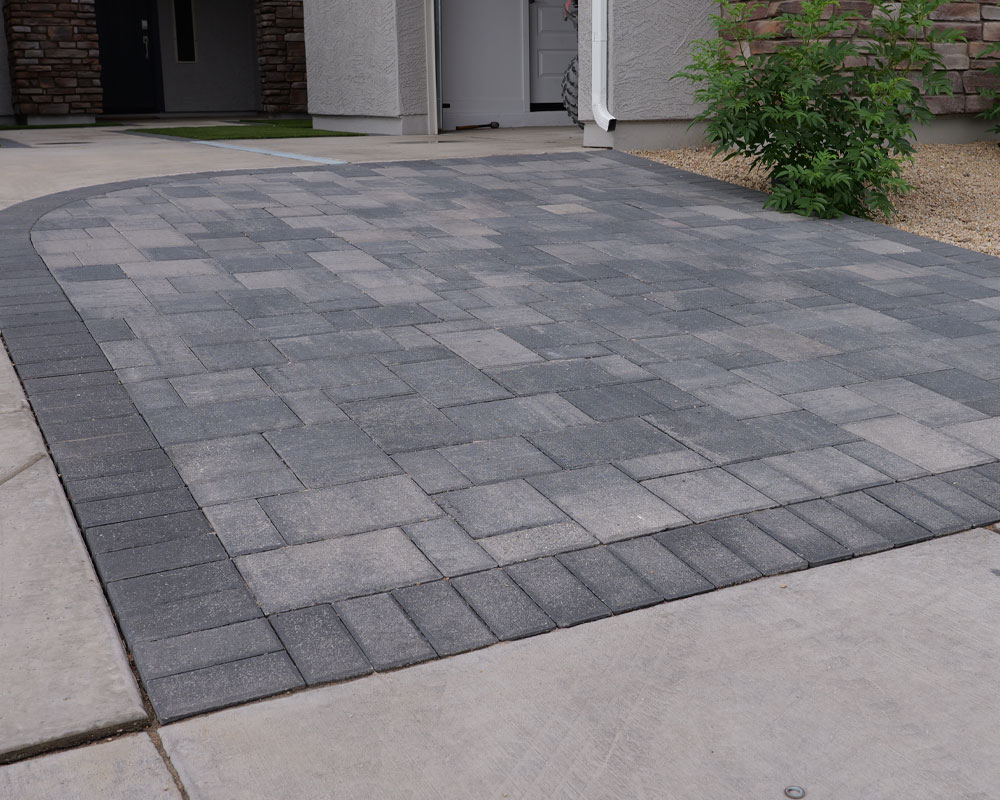
If you've invested in pavers for your driveway, patio, pool deck, or walkways, you already know how much they contribute to the appearance and value of your property. A well-installed paver surface is one of the most attractive hardscape features a DFW home can have — clean lines, rich color, and a finish that elevates the entire outdoor living space.
What a lot of homeowners don't realize until it's too late is that pavers require active protection to maintain that appearance and structural integrity in the North Texas climate. Unsealed pavers in DFW fade, stain, shift, and deteriorate significantly faster than sealed ones — and the window to protect them cost-effectively closes as surface damage accumulates.
Paver sealing is one of the most valuable exterior maintenance investments a DFW homeowner can make for an installed paver surface. Here's what it involves, why it matters in the specific conditions of North Texas, and what results you can realistically expect from professional paver sealing service.
What Makes Pavers Different From Standard Concrete
Before getting into sealing specifics, it helps to understand what makes pavers a different maintenance challenge than poured concrete — because the two surfaces look similar from a distance but behave very differently under the same weather conditions.
Poured concrete is a monolithic surface — one continuous slab with joints at intervals to control cracking. Pavers are individual units installed in a bed of compacted base material with joint sand filling the spaces between units. That jointed structure is what gives pavers their aesthetic appeal and their ability to flex slightly with soil movement — but it also creates specific vulnerabilities that poured concrete doesn't have.
The joint sand between pavers is one of the most important and most vulnerable components of a paver surface. Joint sand stabilizes the individual paver units, prevents lateral movement, and when properly maintained creates a surface that functions as a unified system rather than a collection of loose individual pieces. Joint sand that erodes — from rain washing, foot traffic, or biological growth — destabilizes the paver surface, allows individual units to shift and rock, and creates the uneven surface that becomes a trip hazard and an aesthetic problem.
Pavers are also more porous than most poured concrete surfaces, which means they absorb moisture, staining compounds, and biological growth more readily. A paver surface without sealer protection is essentially a highly porous, jointed surface fully exposed to everything the DFW climate delivers — which is exactly the combination that causes the fastest deterioration.
What Unsealed Pavers in DFW Face Season by Season
The DFW climate creates specific, sequential challenges for unsealed paver surfaces throughout the year. Understanding what each season does to unprotected pavers makes the case for sealing more concrete than abstract product claims.
Spring: Heavy rain events wash joint sand from between pavers progressively with each significant rainfall. The organic material that spring rain deposits — pollen, organic debris, biological material — settles into the porous paver surface and provides a nutrient substrate for algae and weed growth. Weed seeds that blow into open or depleted joints germinate in the moisture and organic material, beginning the weed establishment cycle that's one of the most common paver maintenance complaints in DFW.
Summer: Intense UV exposure fades paver color — the rich, saturated tones that new pavers have flatten and lose depth as UV breaks down the surface pigments over successive summers. Heat expansion in unsealed pavers also creates minor movement at joints that progressively loosens the sand and creates slightly wider joints over time. Oil and chemical staining from vehicles, grills, and outdoor furniture bonds into the porous paver surface readily during summer heat.
Fall: Falling leaves deposit tannin staining on paver surfaces — the dark brown and black marks that develop where wet leaves sit against the paver surface for even a few hours. DFW's clay soil washes onto paver surfaces during fall rain events and settles into joints. Biological growth established in spring continues to spread through fall's moisture.
Winter: Freeze-thaw cycles stress any moisture that's been absorbed into unsealed pavers. Water that's penetrated the paver material expands when it freezes, and repeated freeze-thaw events cause the surface scaling and pitting that's one of the most visible forms of paver deterioration. DFW's brief but real winter freeze events are sufficient to cause this damage in pavers that have absorbed significant moisture through an unprotected porous surface.
What Paver Sealing Actually Does
Paver sealing addresses the specific vulnerabilities that the DFW climate exploits in unprotected paver surfaces. Understanding what sealing does at a functional level — not just marketing language — helps explain why the investment is worth making.
Joint sand stabilization: Joint-stabilizing sealers — the most commonly recommended product type for residential paver surfaces in DFW — penetrate into the joint sand and bind the sand particles together as the sealer cures. The stabilized joint sand resists washing from rain, resists displacement from foot traffic and furniture movement, and creates a surface barrier that inhibits weed seed germination in the joint. This single function addresses two of the most common and most frustrating paver maintenance problems — joint sand erosion and weed growth — simultaneously.
Color enhancement: Quality paver sealers enhance the surface color of pavers, deepening and enriching the tone toward the saturated appearance pavers had when newly installed. The degree of color enhancement varies by product — wet-look sealers provide the most dramatic color deepening, while matte sealers provide subtle enhancement with a more natural finish. For DFW homeowners whose pavers have faded over multiple seasons of UV exposure, the color restoration effect of sealing is often one of the most immediately noticeable results.
Moisture barrier: Sealer closes the porous surface of the paver material, preventing moisture from penetrating into the paver body. This moisture barrier reduces freeze-thaw damage, slows biological growth establishment, and reduces how readily staining compounds penetrate the surface. Oil drips, food spills, and organic material that would bond into unsealed paver material can often be rinsed or wiped from sealed pavers before permanent staining occurs.
UV protection: Quality paver sealers include UV stabilizers that slow the fading process on treated surfaces. Sealed pavers retain their color more effectively through DFW's intense UV summers than unsealed pavers, extending the period before the significant color fading that makes older paver surfaces look worn and aged.
Weed and pest barrier: Stabilized joints with sealer coverage significantly reduce weed seed germination and ant intrusion — two of the most consistent complaints about paver surfaces across the DFW area. Ants that establish colonies in unstabilized paver joints displace sand as they excavate, creating the surface irregularities and joint voids that allow individual pavers to shift. Sealing the joints removes the loose, accessible sand environment that ant colonies prefer.
Paver Sealing Process: Why Professional Application Matters
The paver sealing process involves specific steps that determine how long the sealer performs and how good the finished surface looks. Skipping or rushing any step produces results that fail prematurely and require more work to correct than doing the process correctly the first time.
Surface cleaning first: Pavers must be thoroughly cleaned before sealing — debris removed, biological growth treated and washed off, staining addressed with appropriate pre-treatment, and joint sand inspected and replenished where depleted. Sealing over dirty pavers locks contamination under the sealer rather than providing protection over a clean surface.
Professional cleaning for paver sealing prep involves pressure washing at appropriate settings for the specific paver material — natural stone, concrete pavers, and brick all have different pressure tolerances — combined with chemical pre-treatment for biological growth and any significant staining. The goal is a surface where the sealer will contact clean paver material rather than sitting on top of contaminants.
Joint sand assessment and replenishment: Before sealing, joint sand levels are assessed along the entire paver surface. Joints that have lost significant sand depth need to be replenished with polymeric sand before the joint-stabilizing sealer is applied. Sealing over depleted joints leaves the underlying instability problem unaddressed — the sealer stabilizes the sand that's there, but joints that were already too shallow remain inadequate to stabilize the individual paver units.
Drying time: Pavers must be completely dry before sealer application — the same drying time principle that applies to concrete sealing and wood staining. Moisture trapped under sealer causes the same adhesion failures and clouding on pavers that it does on other surfaces. In DFW conditions, 24 to 48 hours of dry weather after pressure washing is the minimum before sealing proceeds.
Sealer application: Professional sealer application uses appropriate equipment to achieve even coverage across the entire paver surface — consistent film thickness, no missed sections, no pudding in low areas. Even coverage is particularly important for color-enhancing sealers where uneven application creates visible variation in the degree of color enhancement across the surface.
Multiple thin coats applied correctly outperform a single heavy coat — the same application principle that applies to concrete sealer and wood stain. Proper coverage rate for the specific product and paver material determines how many coats are needed for correct film build.
How Long Does Paver Sealing Last in the DFW Climate
Professional paver sealing in North Texas typically lasts two to four years depending on traffic, sun exposure, and the specific sealer product used. High-traffic areas — driveways and front walkways — are at the lower end of that range. Lower-traffic patio surfaces and pool decks in partially shaded areas can hold sealer closer to the upper end.
The clearest signs that resealing is due are the same indicators that apply to concrete: water no longer beads on the surface, color has faded noticeably from the enhanced appearance the sealer produced, or joint sand has begun to wash out again despite having been sealed and stabilized in the previous service cycle.
Staying on a resealing schedule every two to three years keeps the paver surface consistently protected and maintains the color enhancement and joint stability that make sealed pavers look and perform so much better than unsealed ones.
Pavers Versus Sealed Concrete: The Maintenance Comparison
For DFW homeowners deciding between pavers and poured concrete for a new hardscape installation — or comparing the maintenance cost of an existing paver surface against replacement with concrete — the maintenance comparison is worth understanding clearly.
Pavers require more active maintenance than standard poured concrete — the joint sand management, the more frequent resealing, and the individual unit adjustment when settlement occurs are maintenance requirements that poured concrete doesn't have. The tradeoff is that paver surfaces handle soil movement better than poured concrete in DFW's expansive clay — individual pavers can shift and be re-leveled, while poured concrete that lifts or settles cracks and requires more disruptive repair.
For DFW homeowners who have pavers installed, the maintenance investment is worth making — a well-maintained paver surface significantly outlasts a neglected one and maintains the aesthetic that justified the installation cost in the first place.
Seal and Protect Services Across the DFW Metroplex
DFW Pressure Washing & Fence Staining LLC provides professional paver cleaning and seal and protect services for residential properties throughout the Dallas-Fort Worth area, including Kennedale, Arlington, Mansfield, Fort Worth, Grand Prairie, and surrounding communities.
Every paver sealing project starts with a thorough surface assessment, appropriate cleaning and pre-treatment, joint sand evaluation, and proper drying time before any sealer is applied. We use quality sealer products appropriate for each specific paver material and finish preference — from natural matte finishes to wet-look color-enhancing options.
Paver sealing is most efficiently scheduled alongside other exterior maintenance — pressure washing concrete surfaces, wood staining, or fence installation — so your entire outdoor hardscape is addressed in a single coordinated service visit.

Want to make sure your DFW paver driveway, patio, or pool deck is properly cleaned, joint-stabilized, and sealed before another North Texas season takes its toll on the surface? DFW Pressure Washing & Fence Staining LLC assesses your paver surface condition during the property walkthrough — identifying joint sand depletion, staining, and sealer wear — and completes the full cleaning and sealing process in the correct sequence before a single drop of sealer goes down.
Get Your Free Estimate → dfwpressurewashing.net/contact-us
DFW Pressure Washing & Fence Staining LLC


