Blog
Seal and Protect After Storm Season: Why DFW Homeowners Should Reseal Every Fall
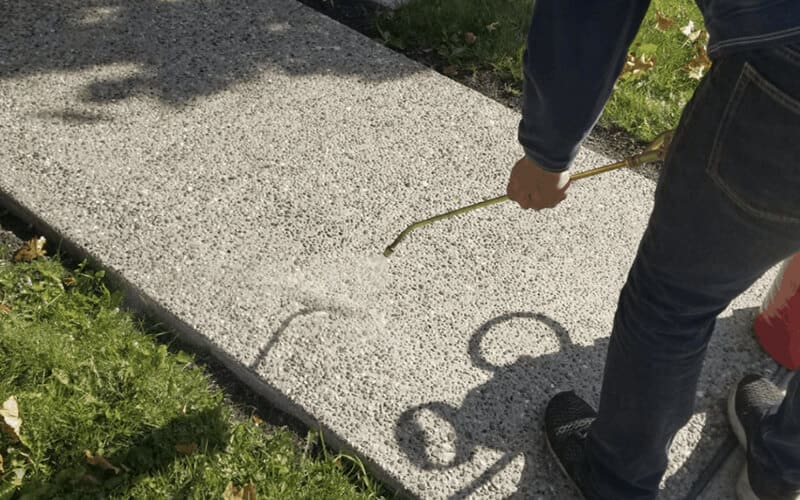
Most DFW homeowners think about sealing their driveway or patio as a one-time project — something you do when surfaces are new or when they start looking worn. What gets overlooked is that sealing is a maintenance cycle, not a single event, and the timing of that cycle matters significantly in the North Texas climate.
Fall is the most strategically important resealing window of the year for DFW homeowners — and it's the one most consistently skipped. The reason fall sealing matters so much comes down to what DFW's spring and summer storm season does to sealed surfaces over the course of six months, and what winter does to surfaces that go into the cold months without adequate protection.
What Spring and Summer Storm Season Does to Sealed Surfaces
Spring and summer in the DFW area deliver some of the most intense weather conditions that exterior surfaces face anywhere in the country. Understanding what that season does to previously sealed surfaces explains why fall resealing is needed — and why waiting until spring to reseal means going through winter with degraded protection.
UV depletion: DFW's summer sun is one of the most aggressive UV environments for exterior surfaces in the United States. UV inhibitors in concrete sealers and wood stains deplete progressively with UV exposure — each hour of intense sun reduces the UV protection the sealer provides. A sealer applied in spring starts the summer season at full UV protection capacity and ends it meaningfully depleted. The surfaces that were sealed last spring may look acceptable in September but are providing significantly less UV protection than they were in May.
Physical wear from storm activity: DFW spring and summer storms are intense. Hail impacts create surface stress on both concrete and stained wood. Heavy rain drives water against sealed surfaces at force and volume that accelerates the physical wear of surface sealers. High winds deposit debris that abrades sealant surfaces. Each significant storm event contributes incrementally to sealer wear.
Thermal cycling: The temperature range that DFW surfaces experience between winter lows and summer highs is extreme. Surfaces expand in heat and contract in cold — a movement cycle that stresses the bond between sealer and substrate. Over a full spring and summer of daily thermal cycling, this stress contributes to sealer degradation that isn't always visible to the naked eye but reduces the moisture protection the sealer provides.
Biological growth: Spring and summer's combination of moisture and heat creates ideal conditions for biological growth on concrete surfaces. Algae, mildew, and mold that establish themselves on concrete during this season don't just affect appearance — they produce acids that degrade the sealer layer and create pathways for moisture penetration beneath it.
By fall, a sealer applied the previous spring has been through six months of intense UV, storm activity, thermal cycling, and biological growth exposure. Its remaining protection capacity is significantly reduced — and it's about to face the season when concrete needs protection most.
What Winter Does to Unsealed or Depleted-Sealer Concrete in DFW
DFW winters are mild by northern standards — but they're not irrelevant to concrete condition. The specific freeze-thaw cycles that North Texas experiences are more damaging to concrete than sustained cold, because it's the transition between freezing and thawing that causes the physical damage rather than cold temperatures alone.
When concrete that has absorbed moisture freezes, the water inside the concrete expands by approximately nine percent. That expansion exerts force on the concrete from within — force that, repeated across multiple freeze-thaw cycles, causes the surface scaling and microcracking that makes concrete look deteriorated and creates pathways for more aggressive moisture infiltration in subsequent seasons.
Concrete with a full-strength sealer going into winter absorbs significantly less moisture than unsealed or poorly sealed concrete. Less moisture absorption means less water available to freeze and expand inside the material. Less expansion means less freeze-thaw damage. The protection that a properly timed fall sealer provides against winter freeze-thaw cycles is one of the most direct and most measurable benefits of the fall resealing schedule.
Concrete that goes into winter with a sealer that's been depleted by a full storm season provides much less protection against freeze-thaw damage than the original application delivered. Surfaces that were adequately protected last spring may develop new surface scaling or cracking this winter simply because the sealer didn't have enough protection capacity remaining to handle the freeze cycle.
Why Fall Is the Ideal Resealing Window
The practical argument for fall resealing isn't just about what winter does to unsealed concrete — it's also about why fall conditions are well-suited to sealer application.
Temperature: Fall temperatures in DFW — particularly October and November — fall comfortably within the optimal range for sealer application. Most quality concrete sealers specify application temperatures between 50°F and 90°F. October in North Texas is consistently in this range without the extreme heat that makes summer application challenging and without the cold that makes winter application risky.
Humidity: Fall in DFW tends toward lower humidity than spring — DFW's wettest season. Lower humidity means faster drying and curing for both concrete sealers and wood stains, reducing the time between application and the point where the treatment is fully cured and weather-resistant. The same product applied in fall typically cures more cleanly and completely than the same product applied in high-humidity spring conditions.
Rain predictability: While DFW fall does bring rain, the storm pattern is generally more predictable than spring's frequent intense thunderstorm activity. Multi-day dry stretches in October and November are more reliable than in April and May, giving contractors and homeowners more confidence in scheduling the 48-hour dry window that sealer application requires.
Pre-winter timing: Sealing in fall means the fresh sealer has several months to fully harden and bond before the first freeze event tests it. A sealer applied in October is fully cured and providing maximum protection by December when North Texas freeze events begin. A sealer applied in late spring provides maximum protection through the summer but is progressively depleted heading into the following winter.
What Fall Resealing Should Include
A complete fall seal and protect service for a DFW property isn't just applying sealer over whatever condition the surfaces are in after summer. The sequence matters — and starting with thorough surface preparation is what allows the fall sealer to bond correctly and deliver the protection the surface needs going into winter.
Pressure washing first: Fall resealing begins with pressure washing that removes the biological growth, leaf debris, atmospheric deposits, and surface contamination that accumulated through spring and summer. Clean concrete is the correct substrate for sealer application — sealer applied over contaminated surfaces bonds to the contamination rather than to the concrete, producing adhesion failure that defeats the purpose of the service.
For surfaces with significant biological growth from the summer season, biocidal pre-treatment before pressure washing kills growth at the root level rather than just removing the visible surface layer. Dead growth doesn't regrow under the sealer. Living growth that's pressure washed off without biocidal treatment can re-establish through the sealer layer over the following months.
Drying time: The same 24 to 48 hour drying period that applies to any sealer application follows pressure washing before the sealer goes down. Fall's lower humidity and moderate temperatures support clean drying — one of the practical advantages of fall timing over spring for the drying step specifically.
Sealer application: With clean, dry concrete, sealer application follows using appropriate product for each surface type — penetrating sealer for standard concrete driveways and walkways, joint-stabilizing sealer for pavers, UV-stable topical sealer for decorative concrete. The right product selection for each surface is the same whether it's spring or fall — the seasonal timing doesn't change what product is appropriate.
Wood Staining in the Fall Resealing Cycle
Fall resealing isn't only about concrete — it's also the second ideal staining window for wood fences, decks, pergolas, and other exterior wood surfaces in the DFW area.
Wood surfaces that were stained in spring are now six months into their protection cycle. Spring-stained fences in full sun exposure — particularly south and west-facing sections — may be approaching the point where the water bead test shows reduced protection. Fall is the right time to assess and restain any wood surfaces that didn't get spring treatment or that have depleted stain protection heading into winter.
Staining wood in fall follows the same logic as fall concrete sealing: the treatment goes on in good application conditions, cures before winter, and provides full protection through the freeze-thaw cycles that put the most stress on unprotected wood. A fall-stained fence goes into winter with full moisture protection. An unstained or depleted-stain fence goes into winter with wood that absorbs moisture freely — and those are the boards that crack and split when a hard freeze hits.
Combining wood staining with concrete sealing in a fall service visit puts every exterior surface on the same maintenance cycle, coordinated into a single service appointment rather than managing separate schedules for each surface type.
Building Fall Resealing Into the Annual Maintenance Budget
DFW homeowners who treat fall resealing as a scheduled annual expense — rather than a reactive service triggered by visible deterioration — consistently spend less on exterior surface maintenance over time than those who defer until damage is obvious.
The math is consistent: a fall pressure washing and resealing service every year or two costs a predictable amount. Surface repair, resurfacing, or replacement triggered by freeze-thaw damage from inadequate protection costs significantly more — and it arrives as an unplanned expense rather than a budgeted one.
Building fall exterior service into the annual maintenance budget alongside other scheduled home maintenance — HVAC service, gutter cleaning, roof inspection — treats it as what it is: a routine preventive investment that protects the property's value and avoids the larger costs of deferred maintenance.
DFW Pressure Washing & Fence Staining LLC provides fall pressure washing, concrete sealing, and wood staining services throughout the Dallas-Fort Worth area, including Kennedale, Arlington, Mansfield, Fort Worth, Grand Prairie, and surrounding communities. Every fall service includes surface assessment, thorough pressure washing prep, appropriate drying time, and professional sealer or stain application in the conditions and sequence that deliver results that hold up through the winter season and beyond.

Want to make sure your DFW driveways, patios, and wood surfaces are properly cleaned, assessed, and protected before the first North Texas freeze puts unsealed concrete and unstained wood to the test? DFW Pressure Washing & Fence Staining LLC schedules fall seal and protect services with the prep, product selection, and timing that surfaces actually need — not just a coat of sealer over whatever condition the surface is in after a long Texas summer.
Get Your Free Estimate → dfwpressurewashing.net/contact-us
DFW Pressure Washing & Fence Staining LLC


