Blog
Seal and Protect for Outdoor Living Spaces in DFW: Patios, Pool Decks, and Entertainment Areas
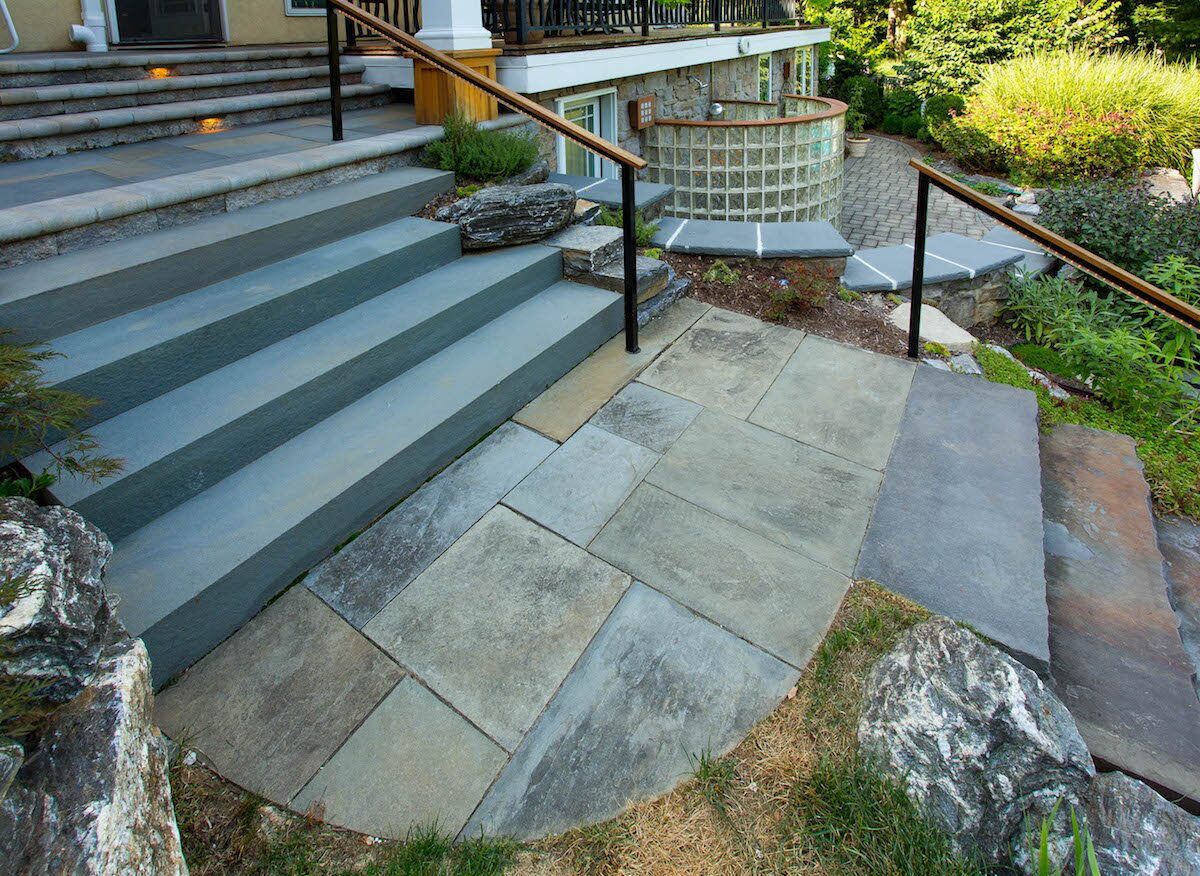
Outdoor living spaces are one of the most invested-in features of DFW residential properties — and some of the most weather-punished surfaces on any North Texas home. A patio that hosts outdoor dining, a pool deck that sees barefoot traffic all summer, an outdoor entertainment area with a built-in kitchen and seating — these spaces take a combination of foot traffic, food and beverage exposure, pool chemical contact, UV intensity, and seasonal moisture cycling that no other residential surface experiences in quite the same way.
The seal and protect services that protect standard driveways and sidewalks apply directly to outdoor living spaces — but with specific product considerations, application approaches, and maintenance schedules that reflect the unique conditions these surfaces face. Here's what DFW homeowners with invested outdoor living spaces need to know.
Why Outdoor Living Surfaces Deteriorate Faster Than Driveways
The comparison to driveways is useful because most homeowners have some intuition about driveway sealing needs. Outdoor living spaces in DFW actually face more demanding conditions than driveways in several specific ways.
Varied contamination types: Driveways primarily face vehicle fluid contamination and biological growth. Outdoor entertainment areas face all of that plus food and beverage spills, sunscreen and body oil from pool users, grill grease, and the chemical exposure from pool maintenance products. Each of these contamination types interacts differently with unsealed concrete — and some, like cooking grease and sunscreen, bond into concrete pores in ways that are as difficult to remove as vehicle oil once they've been there for a season.
Foot traffic on wet surfaces: Pool decks and patio surfaces adjacent to water features see foot traffic that's qualitatively different from standard outdoor use — wet, bare feet carrying pool chemicals, sunscreen, and organic material from the yard onto the concrete surface repeatedly throughout the swimming season. This combination of wet foot traffic and contamination creates surface conditions that accelerate both biological growth and surface staining.
Social use intensity: An outdoor entertainment area that's actively used for gatherings, dining, and pool parties during DFW's outdoor living season sees more concentrated human activity than most residential surfaces. That activity deposits more contamination, creates more wear on the surface and any existing sealer, and makes the appearance of the surface more directly relevant to the homeowner's enjoyment of the space than a driveway that's primarily a functional transition.
Design investment context: Outdoor living spaces typically represent significant design investment — stamped concrete, decorative pavers, natural stone, specialty surface finishes — that makes both appearance maintenance and surface protection more consequential than for standard gray concrete flatwork. The surfaces are more expensive to replace if they deteriorate, and their appearance contributes directly to how much the space is enjoyed and how it presents to guests.
Surface Types in DFW Outdoor Living Spaces and Their Sealing Needs
DFW outdoor living spaces use a wider range of surface materials than standard driveways — and each material has specific sealing requirements.
Standard concrete patios: The most common outdoor living surface in DFW residential properties. Sealing needs follow standard concrete principles — penetrating sealer for basic moisture and stain protection, topical sealer options for appearance enhancement. The consideration specific to patio use is the anti-slip requirement for surfaces that get wet — a topical sealer without anti-slip additive on a patio adjacent to a pool creates a hazard that defeats the purpose of having the outdoor space. Anti-slip additives incorporated into the sealer maintain traction on wet surfaces without significantly affecting appearance.
Stamped and decorative concrete: As covered in a previous blog, stamped concrete requires UV-stabilized topical sealers that enhance color while protecting the decorative surface from the UV fading and surface wear that the DFW climate accelerates. For outdoor entertainment areas with stamped concrete, the color enhancement of quality sealer makes the space look its best — exactly the right outcome for a space designed to be enjoyed and displayed.
Pavers: Paver surfaces in outdoor living areas need the same joint-stabilizing sealer approach described in previous blogs, with particular attention to the ant intrusion and weed growth that paver joints in outdoor living areas face. Ants that establish colonies in paver joints adjacent to outdoor kitchens are attracted by food residue — a specific challenge in entertainment areas that isn't present on standard patio surfaces removed from food preparation.
Natural stone — travertine, flagstone, slate: Natural stone surfaces in DFW outdoor living areas require stone-specific penetrating sealers that provide moisture protection and stain resistance without altering the natural texture and appearance that makes stone an attractive surface choice. Travertine specifically has a characteristic porous surface that benefits from penetrating sealer that closes the surface voids without filling them visually — maintaining the natural travertine appearance while significantly improving stain resistance.
Concrete pool decks: Pool deck surfaces face the most demanding sealing conditions of any outdoor living surface — constant moisture cycling, pool chemical exposure, and the wet foot traffic discussed above. Anti-slip is not optional for pool decks — it's a safety requirement that sealer selection must address. Penetrating sealers with anti-slip aggregate incorporated into the application are the most appropriate product approach for pool deck concrete.
The Anti-Slip Requirement: Safety First for Wet Outdoor Surfaces
Any outdoor living surface that regularly gets wet — pool decks, surfaces adjacent to water features, covered outdoor kitchen areas where cooking introduces moisture — requires anti-slip treatment as a non-negotiable component of the sealing specification.
Concrete sealers — particularly topical acrylic sealers — reduce the surface friction of concrete when wet. An unsealed concrete pool deck has natural surface texture that provides traction. The same surface sealed with a standard acrylic sealer becomes measurably more slippery when wet, creating a slip hazard that's worse than the unsealed surface it replaced.
Anti-slip additives address this by incorporating texture into the sealer surface — either through aluminum oxide granules, silica aggregate, or polymer beads that create friction on the wet surface. The additive is mixed into the sealer before application and distributes through the finished surface, maintaining traction characteristics appropriate for wet conditions.
The anti-slip specification should be part of every outdoor living space sealing project where wet foot traffic is expected — not an upgrade option that gets added only if the homeowner specifically requests it. Any contractor sealing a pool deck without discussing anti-slip requirements is missing a basic safety specification that their client deserves to know about.
Cleaning Prep for Outdoor Living Areas: More Complex Than Standard Concrete
The varied contamination types that outdoor living spaces accumulate require more thorough cleaning prep than standard driveway pressure washing — and getting the prep right is especially important on decorative and investment surfaces where sealer failure or inconsistent results are more consequential.
Grease and food contamination: Outdoor kitchen areas and grilling zones accumulate grease deposits that require degreaser pre-treatment before pressure washing. The same logic that applies to vehicle oil on driveways applies to cooking grease on outdoor kitchen surfaces — degreaser breaks down the petroleum compounds so pressure washing can extract them rather than redistributing surface grease and leaving bonded contamination in the concrete pores.
Sunscreen and body oil: Pool deck surfaces accumulate sunscreen and body oil that are chemically similar to cooking grease and require similar degreaser pre-treatment for effective removal. Pool decks that appear clean to casual inspection after a summer season often have significant sunscreen accumulation in the concrete pores that standard pressure washing doesn't address.
Pool chemical residue: The calcium hypochlorite and other pool maintenance chemicals that splash and overspray onto pool deck surfaces create mineral deposits similar to hard water scale that benefit from acid pre-treatment in heavily affected areas. Pool decks that have been in service for multiple seasons without cleaning often have these deposits concentrated near the pool edge where splash is most frequent.
Biological growth in grout lines and surface texture: Decorative surfaces with grout lines, textured profiles, and surface relief accumulate biological growth in the recesses that flat concrete doesn't. Pressure washing alone at appropriate settings for the surface type removes surface biological growth but may not fully reach growth established in deep grout lines or textured recesses. Biocidal pre-treatment applied to the full surface before washing kills growth in recesses that the pressure stream doesn't directly contact.
Sealing Frequency for Outdoor Living Surfaces in DFW
The combination of intensive use, varied contamination, and DFW's climate suggests a more frequent sealing cycle for outdoor living surfaces than for standard driveways — and calibrating that cycle to the specific use intensity of each space produces better results than applying uniform schedule guidance.
Pool decks: The most maintenance-intensive outdoor surface on most DFW properties. Annual assessment using the water bead test, with resealing every one to two years depending on pool usage frequency and chemical exposure. High-use pool environments with multiple swimmers and heavy sunscreen application may need annual resealing.
Outdoor kitchen and entertainment areas: Two-year resealing cycle as a general baseline, with more frequent assessment for cooking zones where grease exposure accelerates sealer wear. The cooking area specifically — concrete immediately adjacent to the grill or outdoor kitchen — may need resealing more frequently than the surrounding patio.
Standard patios without pool or cooking proximity: Standard two to three year residential concrete sealing cycle applies. Less intensive use and less varied contamination than pool and cooking environments means standard driveway guidance is appropriate.
Decorative and stamped surfaces: One to two year resealing cycle as discussed in the stamped concrete dedicated blog — the UV color protection requirement drives more frequent resealing than basic concrete moisture protection needs.
Combining Outdoor Living Space Services
The most efficient approach to outdoor living space maintenance is combining services that address the full scope of surfaces and structures in a single coordinated visit.
A comprehensive outdoor living space maintenance service for a typical DFW property might include pressure washing and degreaser pre-treatment for the outdoor kitchen concrete and patio, biocidal soft washing for the pool deck and any shaded patio sections with biological growth, joint sand assessment and replenishment for paver areas, sealing for all concrete and paver surfaces with appropriate anti-slip additive where needed, and wood staining for any pergola, overhead structure, or wood privacy screen elements in the outdoor living space.
Addressing all of these in a single service visit ensures consistent prep quality across every surface, puts all outdoor living surfaces on the same maintenance schedule, and avoids the situation where some surfaces are freshly sealed while adjacent surfaces are depleted — creating both appearance inconsistency and protection gaps in the same space.
DFW Pressure Washing & Fence Staining LLC provides the full scope of outdoor living space maintenance — pressure washing, seal and protect, and wood staining — throughout the Dallas-Fort Worth area, including Kennedale, Arlington, Mansfield, Fort Worth, Grand Prairie, and surrounding communities.

Want to make sure your DFW outdoor living space — patio, pool deck, outdoor kitchen, or entertainment area — is properly cleaned, treated for the specific contamination types it faces, and sealed with the right products and anti-slip specification for surfaces that get wet and see heavy use? DFW Pressure Washing & Fence Staining LLC assesses every outdoor living surface during the property walkthrough and delivers a complete seal and protect plan that accounts for how each surface is actually used — not just what material it's made of.
Get Your Free Estimate → dfwpressurewashing.net/contact-us
DFW Pressure Washing & Fence Staining LLC


