Blog
Stamped Concrete Sealing in DFW: Why Decorative Surfaces Need More Protection Than Standard Concrete
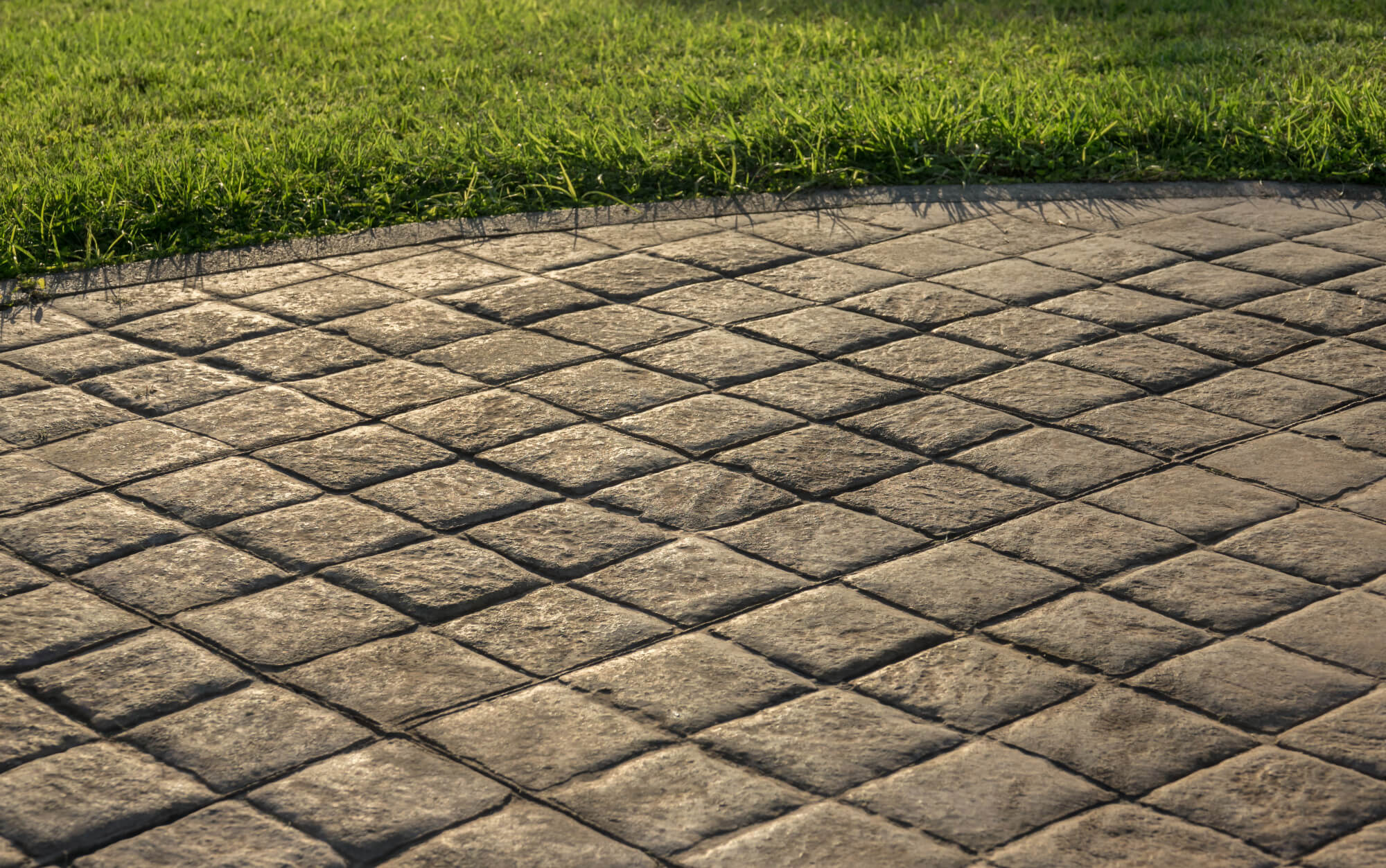
Stamped concrete is one of the most popular decorative hardscape choices for DFW patios, pool decks, driveways, and outdoor living areas — and one of the most frequently under-maintained. The investment in stamped concrete is significantly higher than standard concrete flatwork. The maintenance requirement to protect that investment is also higher. And the consequences of neglecting that maintenance in the North Texas climate are more visible and more costly than neglected standard concrete.
If you have stamped or decorative concrete on your DFW property and haven't had it professionally cleaned and sealed in the past two years, there's a meaningful chance it's showing wear that professional treatment can still address — and a shorter window before that wear becomes permanent than most homeowners realize.
What Makes Stamped Concrete Different From Standard Concrete
Stamped concrete is standard concrete that has been textured and colored during the finishing process to replicate the appearance of natural stone, brick, slate, or other decorative materials. The stamping process creates surface texture and pattern. Integral color, color hardener, or acid staining adds the color variation that gives stamped concrete its decorative character. A topical sealer applied after finishing protects the color, enhances the appearance, and provides the surface with its initial protective layer.
That topical sealer is the critical element — and the element most directly relevant to ongoing maintenance. Standard gray concrete has no color to fade and no decorative surface to protect beyond its structural integrity. Stamped concrete has both, and the topical sealer is what maintains them.
Without a functioning sealer layer, stamped concrete in the DFW climate experiences UV color fading, surface wear that erodes the stamped texture, moisture intrusion that causes delamination of surface color hardener, and biological growth that stains and discolors the decorative surface in ways that are significantly harder to address than on standard concrete.
What DFW's Climate Does to Unsealed Stamped Concrete
The DFW climate is one of the most demanding environments for decorative concrete in the country — and understanding the specific seasonal damage mechanisms helps frame why regular sealing is non-negotiable for stamped concrete in North Texas.
UV fading: DFW's intense UV exposure is the primary enemy of stamped concrete color. The pigments in integral color and color hardener are UV-sensitive — prolonged UV exposure causes the vibrant color variation that defines quality stamped concrete to flatten into a dull, washed-out version of its original appearance. UV-stabilized sealers block the UV radiation that reaches the colored surface and significantly slow this fading process. Unsealed or under-sealed stamped concrete in a DFW summer shows measurable color fading within a single season.
Surface wear and texture loss: The stamped texture that creates the stone or brick appearance of decorative concrete is a surface characteristic — it's the top layer of the concrete that was formed during finishing. Without sealer protection, foot traffic, furniture movement, and the mechanical abrasion of normal use gradually erode the most pronounced elements of the stamped texture. High-relief textures that defined the original appearance flatten with wear, and the decorative character of the surface diminishes progressively.
Freeze-thaw damage: DFW's winter freeze events affect sealed and unsealed stamped concrete differently — and the difference is pronounced. Stamped concrete has a topical color hardener layer and a sealer film above the base concrete. Moisture that penetrates an inadequate sealer layer doesn't just damage the base concrete — it gets under the color hardener layer and can cause delamination. The freeze-thaw cycle forces moisture that's migrated between the color hardener and base concrete to expand, lifting the surface layer and creating the flaking and delamination that's one of the most serious and most expensive stamped concrete failures in North Texas.
How Often Does Stamped Concrete Need Sealing in DFW
Stamped concrete in the DFW area typically needs resealing every one to three years depending on sun exposure, traffic, and the specific sealer product used. This is more frequent than the two to three year cycle for standard concrete sealing — because the color protection and surface protection requirements of decorative concrete demand a consistently performing sealer layer rather than one that's significantly depleted.
The clearest indicators that resealing is due on stamped concrete are visible color fading from the original post-seal appearance, loss of sheen or wet-look finish if that was the original sealer type, water that soaks into the surface rather than beading, and any areas where the surface appears chalky or where the color hardener surface shows physical wear.
High-traffic areas — the path from the door to the patio seating area, areas around outdoor kitchens, pool deck surfaces — show wear faster than perimeter areas with less use. Monitoring the high-traffic zones specifically and resealing when those areas show wear — rather than waiting for the entire surface to reach the same wear level — extends overall decorative concrete protection efficiently.
The Correct Sealing Process for Stamped Concrete
The process for sealing stamped concrete correctly differs in important ways from standard concrete sealing — and getting the process right is what determines whether the sealer enhances the surface or creates problems that are expensive to fix.
Cleaning and prep: Stamped concrete must be thoroughly cleaned before sealing — all biological growth killed and removed, surface contamination cleared, and any failed sealer residue from the previous application addressed. On stamped concrete, this cleaning requires specific attention to the texture recesses where debris and biological growth accumulate in the pattern lines. Standard pressure washing techniques that work on flat concrete surfaces need adjustment for the textured surface of stamped concrete — ensuring cleaning solution and rinse water reach into texture recesses rather than cleaning only the high points.
Failed or delaminating sealer from previous applications must be addressed before new sealer is applied. New sealer applied over failing old sealer bonds to the old sealer rather than to the concrete, inheriting all the adhesion problems of the failed layer. Chemical sealer strippers appropriate for the specific existing sealer type — solvent-based strippers for solvent-based sealers, water-based strippers for water-based sealers — remove failed sealer effectively. This step adds time and cost to the resealing process but is the difference between a sealer application that lasts and one that fails in the same pattern as its predecessor.
Drying time: Stamped concrete requires the same adequate drying time as standard concrete before sealer application. The textured surface of stamped concrete retains moisture in pattern recesses longer than flat concrete surfaces — adequate drying time after cleaning is critical to ensure the full textured surface is dry before sealer is applied.
Product selection: Sealer selection for stamped concrete involves several specific considerations that don't apply to standard concrete sealing.
Acrylic sealers in solvent-based formulas are the most commonly used products for stamped concrete in DFW because they provide the color enhancement and sheen that decorative concrete is installed for. Water-based acrylic sealers are a lower-VOC alternative that performs adequately for moderate-use applications but generally provides less color enrichment than solvent-based formulas.
Wet-look sealers provide maximum color enhancement and the most dramatic surface appearance — the colors appear as rich and saturated as they did when wet. These are appropriate for stamped concrete where maximum visual impact is the priority and where the slightly reflective surface finish is desired.
Matte sealers provide color protection and moisture resistance with a more natural, less reflective finish. They're appropriate for stamped concrete applications where a natural stone appearance without visible sheen is preferred.
UV stabilizer content in the sealer formula is the most important performance characteristic for DFW stamped concrete applications. Higher UV stabilizer content means slower color fading in Texas sun — worth specifying explicitly when selecting products for North Texas decorative concrete.
Anti-slip additives are appropriate for stamped concrete pool decks, stair surfaces, and any decorative concrete area that gets wet and is walked on. Acrylic sealers can become slippery when wet, particularly in wet-look formulas. Anti-slip additive incorporated into the sealer maintains traction on wet decorative surfaces without affecting appearance significantly.
Application technique: Stamped concrete sealer application requires technique adjustments from standard concrete sealing to ensure consistent coverage in the textured surface. The pattern recesses in stamped concrete hold sealer and can produce visible pooling if too much sealer is applied in a single pass. Thin, even coats applied in multiple passes — with adequate drying time between coats — produce consistent coverage without the pooling and uneven sheen that a single heavy application on textured concrete creates.
Back-rolling or back-brushing after spray application works sealer into the texture recesses and ensures complete coverage of the pattern lines. This additional step is the difference between sealer that covers only the high points of the stamped texture and sealer that provides complete protection across the full decorative surface.
Repairing Stamped Concrete Before Sealing
Stamped concrete in DFW that has gone multiple seasons without adequate sealing sometimes requires more than cleaning and sealing — specific surface conditions that deferred maintenance has created need to be addressed before new sealer can perform correctly.
Color restoration: Stamped concrete that has faded significantly from UV damage can be treated with color restoration products — penetrating color hardeners or surface-applied stains that restore color depth before the new sealer coat is applied. Color restoration allows significantly faded decorative concrete to be brought back toward its original appearance rather than sealing over the faded condition and accepting the diminished color as permanent.
Crack treatment: Surface cracks in stamped concrete that have developed from freeze-thaw cycling or settlement need to be filled before sealing — sealing over open cracks allows moisture to continue entering at the crack and working under the sealer layer. Color-matched crack fillers that blend with the decorative surface are available for stamped concrete repair and produce more visually acceptable results than standard gray concrete crack filler on colored surfaces.
Delamination repair: Areas where the color hardener layer has lifted or delaminated from the base concrete need professional assessment before resealing. Minor delamination can sometimes be stabilized with penetrating consolidants. Significant delamination typically requires removal of the delaminated section and repair with color-matched overlay material — a more involved intervention that specialized decorative concrete contractors handle.
Stamped Concrete Seal and Protect Services Across DFW
DFW Pressure Washing & Fence Staining LLC provides stamped and decorative concrete cleaning and seal and protect services for residential and commercial properties throughout the Dallas-Fort Worth area, including Kennedale, Arlington, Mansfield, Fort Worth, Grand Prairie, and surrounding communities.
Every decorative concrete project starts with a surface assessment that evaluates current sealer condition, color fading, surface wear, and any crack or delamination issues that need to be addressed before sealing. We use UV-stabilized acrylic sealers appropriate for the specific decorative surface and finish goals, apply in the correct sequence and coverage rate for textured surfaces, and include anti-slip additives for pool decks and any wet-use applications.

Want to make sure your DFW stamped concrete patio, pool deck, or driveway is properly cleaned, color-assessed, and sealed with the UV protection and application technique that decorative concrete in North Texas actually needs? DFW Pressure Washing & Fence Staining LLC assesses every decorative concrete surface during the property walkthrough and delivers a complete seal and protect plan — including color restoration recommendations where fading warrants it — before any sealer goes down.
Get Your Free Estimate → dfwpressurewashing.net/contact-us
DFW Pressure Washing & Fence Staining LLC


