Blog
Steel Panel Fencing in DFW: Is It Worth the Investment for Your Property?
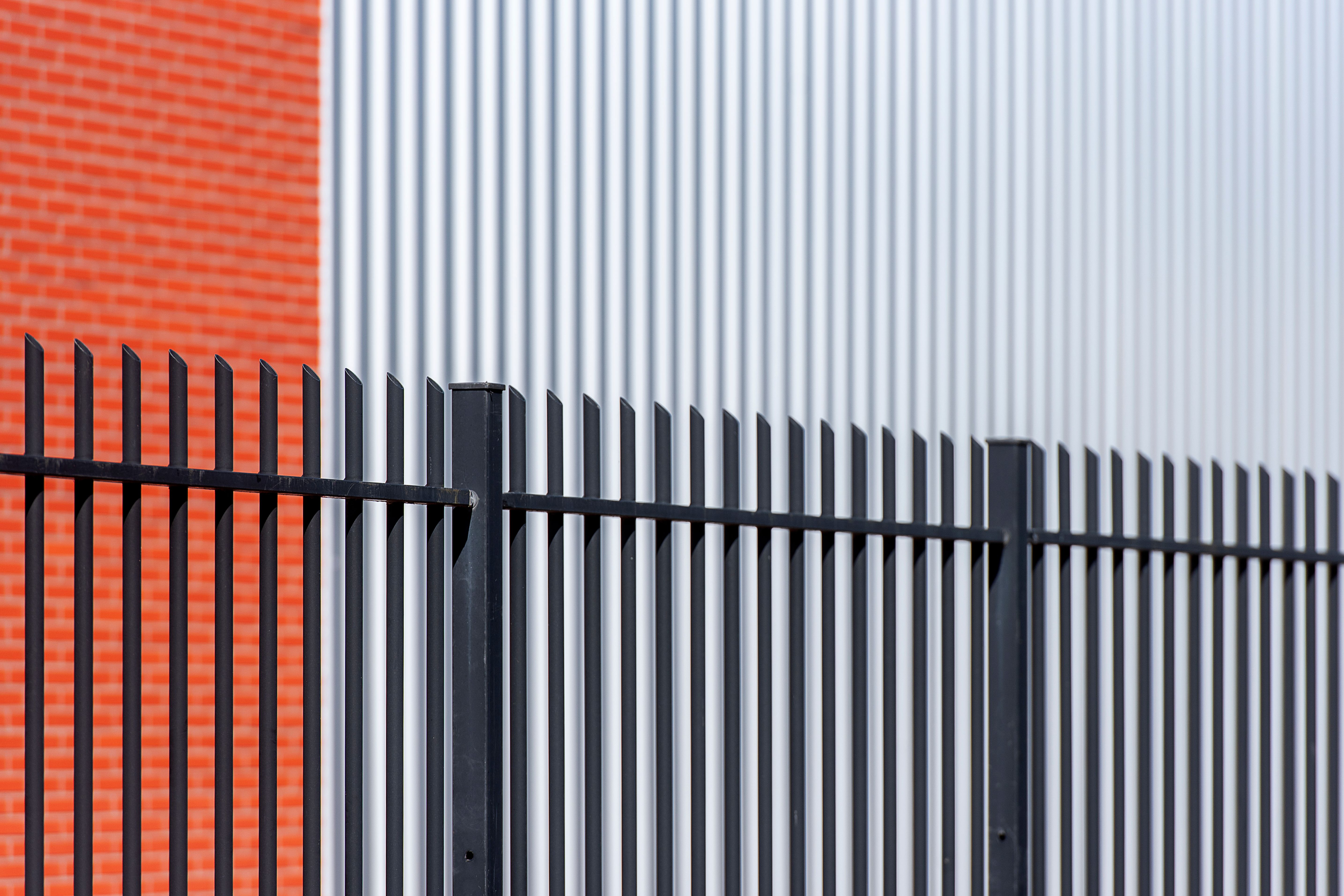
If you've driven through newer neighborhoods in the Dallas-Fort Worth area recently, you've probably noticed a fence style that's become increasingly common in North Texas new construction and home renovation projects — steel panel fencing. Clean lines, modern aesthetic, full privacy, and a durability profile that stands out against the wood and vinyl options that have dominated the DFW residential market for decades.
Steel panel fencing isn't a new invention — it's been common in commercial and industrial applications for years — but its adoption in the residential market across the DFW Metroplex has accelerated significantly in recent years. As more homeowners see it installed in their neighborhoods and start asking questions, the same core question keeps coming up: is it worth the investment compared to wood or vinyl?
The honest answer depends on what you're looking for in a fence. Here's a complete look at what steel panel fencing actually is, what it costs, how it performs in the North Texas climate, and who it makes the most sense for.
What Is Steel Panel Fencing?
Steel panel fencing — sometimes called metal privacy fencing or corrugated steel panel fencing — uses steel panels as the primary infill material rather than wood boards or vinyl pickets. The panels are typically made from galvanized steel that has been powder-coated for corrosion resistance and aesthetic finish, and they're installed in a steel frame system using steel posts and rails.
The most common residential steel panel fence style in DFW uses horizontal corrugated steel panels set within a steel frame — a look that's clean, contemporary, and distinctly different from the traditional vertical board privacy fence that's been the DFW standard for generations. Flat steel panel options are also available for a more minimalist modern look, and some installations combine steel panels with wood or other materials for a mixed-material design.
The result is a fence that provides full visual privacy, strong structural integrity, and a design profile that complements modern, contemporary, and transitional home styles particularly well.
Steel Panel Fencing Cost in the DFW Market
Steel panel fencing sits at the higher end of the residential fence cost spectrum in the DFW area — comparable to or somewhat above high-quality vinyl fencing, and meaningfully above standard cedar wood privacy fencing in most cases.
The cost premium over wood reflects several factors. Steel panel materials are more expensive per linear foot than cedar boards. The installation process requires more precise framing and panel fitting than standard board-on-board wood fence installation. Steel posts and rails add material cost that wood fence systems don't require in the same way.
That said, the cost comparison needs to account for the full ownership picture rather than just the installation quote. Steel panel fencing requires significantly less ongoing maintenance than wood — no staining cycle, no board replacement, minimal annual upkeep — which changes the total cost of ownership calculation over a 15 to 20 year period.
The honest cost framing for steel panel fencing in DFW: it's a higher upfront investment than wood and comparable to or somewhat above vinyl, with lower long-term maintenance costs than either. Whether that investment makes financial sense depends on how long you plan to stay in the home and how much value you place on minimizing ongoing maintenance.
How Steel Panel Fencing Performs in the North Texas Climate
The DFW climate is a demanding test for any fence material — intense UV, heavy spring rain, summer heat regularly exceeding 100°F, and occasional hard freezes in winter. Here's how steel panel fencing handles each of those conditions.
UV and heat: Powder-coated steel handles UV exposure well. The powder coat finish on quality steel panel fencing is specifically formulated to resist UV degradation, and it holds its color and finish significantly longer in the Texas sun than painted wood or lower-grade vinyl without UV inhibitors. Surface temperatures on steel in direct DFW summer sun can be high — steel conducts heat more readily than wood — but this doesn't affect the structural performance or longevity of the fence.
Rain and moisture: This is where steel panel fencing's durability advantage over wood is most pronounced. Steel panels don't absorb moisture, don't swell and crack during wet seasons, and don't develop the mold and mildew growth that establishes itself on wood fence surfaces in DFW's humid spring and fall. The powder coat finish and galvanized steel substrate resist corrosion in residential moisture conditions — meaning the fence comes out of every North Texas rainy season in essentially the same condition it went in.
Freeze-thaw cycles: Steel panel fencing handles DFW's occasional winter freezes without the moisture damage concern that affects wood. Wood that has absorbed moisture is vulnerable to freeze-thaw cracking — the moisture expands when it freezes, and the wood cracks. Steel doesn't absorb moisture in the same way, so freeze-thaw cycles that stress and crack wood boards have essentially no effect on steel panels.
Wind: This is worth specific attention in North Texas, where thunderstorm wind events are a regular occurrence throughout spring and fall. Steel panel fencing — properly installed with adequate post depth and concrete footings — handles high winds well. The solid panel structure actually performs better in high wind than board-on-board wood fencing in some respects, because the steel frame provides structural rigidity that a wood fence relies on post integrity alone to maintain.
Maintenance Requirements: Where Steel Panel Shines
If there's one area where steel panel fencing delivers a clear, unambiguous advantage over every other residential fence type in the DFW market, it's maintenance requirements.
Wood fencing requires staining every two to three years in the North Texas climate. Skip the staining schedule and wood deteriorates noticeably within a few years. Steel panel fencing requires essentially none of that ongoing treatment. The powder coat finish doesn't need repainting on any regular schedule, the steel doesn't need sealing or staining, and there are no boards to replace as individual components fail over time.
The practical maintenance for a steel panel fence in DFW is minimal: occasional cleaning to remove dirt and environmental buildup — a light pressure washing or rinse — and inspection of any areas where the powder coat has been chipped or scratched to apply touch-up coating before rust can develop at exposed metal. Beyond that, steel panel fencing in residential applications is genuinely low-maintenance in a way that wood simply isn't in the DFW climate.
This maintenance advantage has real financial value over time. A wood fence owner in DFW will spend money on professional staining multiple times over the same period that a steel panel fence owner spends essentially nothing on maintenance beyond the occasional cleaning. That cumulative maintenance cost difference narrows the upfront price gap between the two materials significantly when viewed over a full ownership period.
Aesthetic Considerations: Who Steel Panel Fencing Is Right For
Steel panel fencing has a distinctly modern aesthetic that works exceptionally well with certain home styles and less naturally with others. Understanding this is important before committing to the material.
Where steel panel fencing looks best: Contemporary and modern home designs — clean lines, flat or low-pitched roofs, minimalist exterior finishes — are natural fits for steel panel fencing. The industrial-chic aesthetic of corrugated steel panels complements these architectural styles in a way that traditional wood board fencing often doesn't. New construction neighborhoods in DFW with modern design sensibilities are where steel panel fencing has gained the most residential traction.
Transitional home styles — which blend traditional and contemporary elements — can also work well with steel panel fencing, particularly when the fence design incorporates complementary materials like wood posts or decorative elements that bridge the gap between modern steel and more traditional home architecture.
Where steel panel fencing is a harder fit: Traditional, colonial, craftsman, and ranch-style homes that define much of DFW's established residential neighborhoods may not be the most natural match for steel panel fencing's modern industrial aesthetic. This isn't a functional concern — the fence performs the same regardless — but aesthetics matter for curb appeal and for HOA approval in communities with architectural standards.
Color selection also matters for how steel panel fencing reads on a property. Dark colors — black, charcoal, dark bronze — tend to read as more sophisticated and less industrial than lighter or raw metal finishes. Most residential steel panel fence installations in DFW use darker powder coat colors for exactly this reason.
HOA Considerations for Steel Panel Fencing in DFW
Steel panel fencing is newer to the residential market than wood, vinyl, or ornamental metal, which means HOA fence guidelines in many established DFW communities were written before steel panel fencing was a common residential option. This creates an approval situation that's worth understanding before selecting the material.
Some DFW HOA communities have updated their fence guidelines to include steel panel fencing as an approved material. Others haven't, and a steel panel fence in those communities may require a variance request or an architectural review committee approval process that standard wood or vinyl fencing wouldn't require.
Before selecting steel panel fencing for your property, check your HOA guidelines specifically for approved fence materials and styles. If steel panel isn't explicitly listed, contact your HOA directly to ask about the approval process rather than assuming it's covered under general metal or privacy fence approvals.
DFW Pressure Washing & Fence Staining LLC is familiar with fence material requirements across communities throughout the Metroplex and can help navigate HOA approval processes as part of the installation project.
Steel Panel vs. Wood vs. Vinyl: The Key Comparisons
For DFW homeowners deciding between steel panel, wood, and vinyl fencing, here's how the materials compare across the factors that matter most:
Upfront cost: Wood is lowest, vinyl and steel panel are both higher with steel panel typically at the top of the range depending on specific product and design.
Ongoing maintenance cost: Wood is highest due to staining requirements, vinyl and steel panel are both very low with minimal recurring expense.
Lifespan in DFW: All three can deliver 20-plus years with proper care. Steel panel's advantage is that achieving that lifespan requires significantly less active maintenance than wood.
Aesthetic profile: Wood offers natural warmth, vinyl offers clean traditional appearance, steel panel offers modern industrial character. The right aesthetic choice depends entirely on the home style and owner preference.
HOA compatibility: Wood and vinyl have the broadest HOA approval across DFW communities. Steel panel may require additional approval steps in communities with older fence guidelines.
Performance in DFW weather: All three perform adequately in North Texas conditions. Steel panel has specific advantages in moisture resistance and freeze-thaw performance over wood. Vinyl with UV inhibitors and steel panel with quality powder coat both handle UV better than untreated or understained wood.
Is Steel Panel Fencing Worth It for Your DFW Property?
Steel panel fencing makes the most sense for DFW homeowners who check several of these boxes: the home has a modern or contemporary architectural style that complements the steel panel aesthetic, the homeowner plans to stay in the property long enough to benefit from the lower maintenance cost over time, minimizing ongoing maintenance is a priority, the HOA community either approves steel panel or the homeowner is prepared to pursue an approval process, and the higher upfront investment fits the project budget.
For homeowners whose primary goal is the lowest possible upfront cost, wood is still the more accessible choice. For homeowners whose primary goal is low maintenance with a traditional appearance, vinyl is a strong alternative at a potentially lower price point than steel panel. Steel panel's value proposition is strongest for homeowners who specifically want the modern aesthetic along with low maintenance and long-term durability.
Professional Steel Panel Fence Installation Across the DFW Metroplex
DFW Pressure Washing & Fence Staining LLC installs steel panel fencing alongside the full range of residential and commercial fence types — wood, vinyl, wrought iron, aluminum, and chain link — throughout the Dallas-Fort Worth area, including Kennedale, Arlington, Mansfield, Fort Worth, Grand Prairie, and surrounding communities.
Every installation includes a free on-site estimate, honest guidance on material selection for your specific property and goals, and professional installation by a fully insured crew with experience in North Texas soil conditions and local permit requirements. We install custom gates across all fence types as well, including steel panel gate designs that complement the fence system.

Want to find out if steel panel fencing is the right fit for your DFW property before committing to the installation? DFW Pressure Washing & Fence Staining LLC walks through every fence option during the property estimate and gives you a straight comparison of how each material performs for your specific situation — including an honest conversation about HOA requirements, long-term maintenance costs, and aesthetic fit for your home.
Get Your Free Estimate → dfwpressurewashing.net/contact-us

DFW Pressure Washing & Fence Staining LLC


