Blog
The Final Word on Wood Fence Maintenance in DFW — Everything in One Place
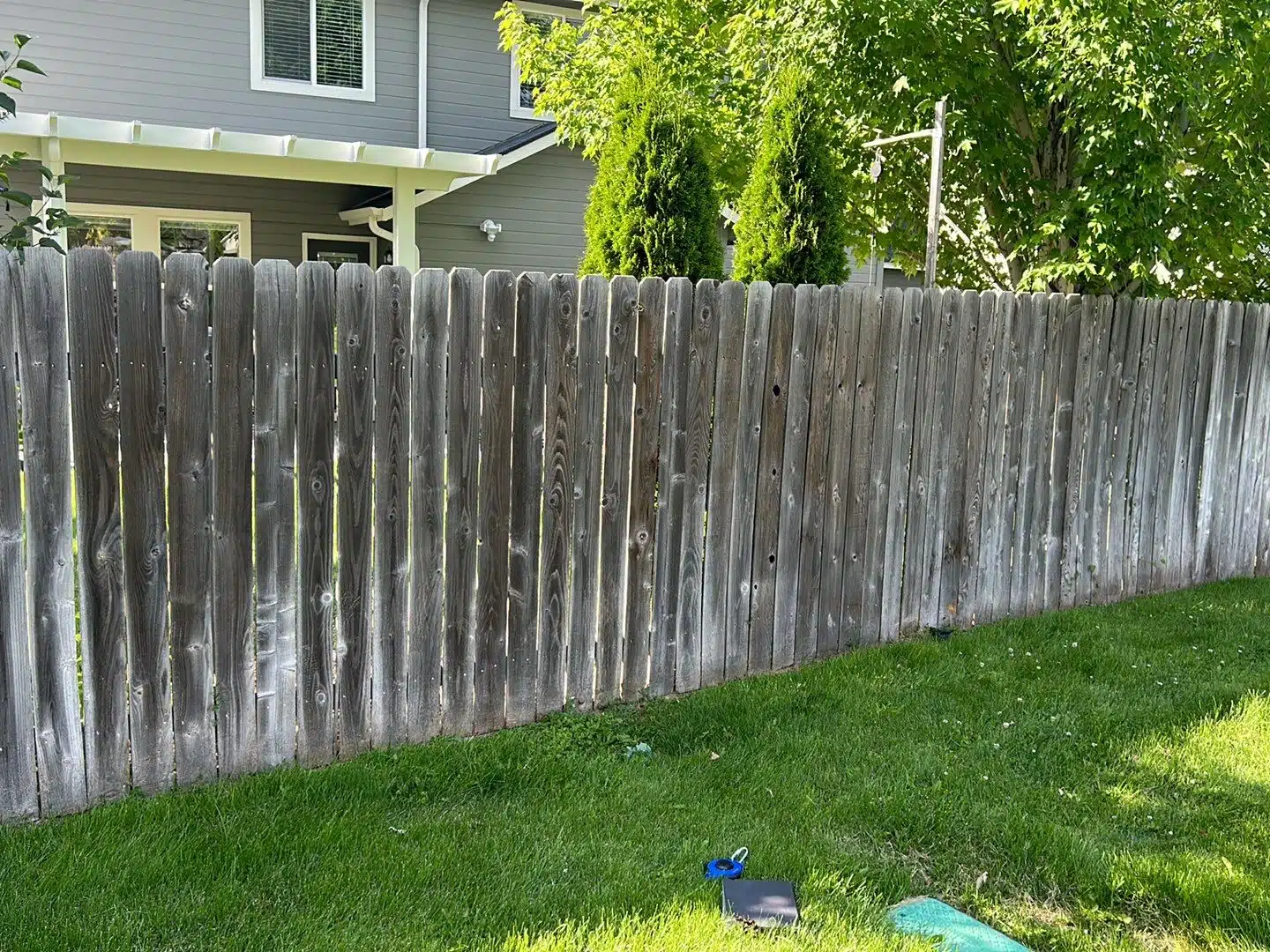
This series has covered wood fence maintenance from dozens of angles — individual service blogs, timing guides, product comparisons, cost analyses, and condition assessments. This blog pulls the complete picture together in a single reference that DFW homeowners can return to whenever a fence decision comes up — installation, first staining, ongoing maintenance, repair decisions, and end-of-life replacement.
Consider this the reference guide that makes every other fence blog in this series unnecessary to remember individually — the single source that answers any fence maintenance question for a DFW cedar privacy fence from installation day through the fence's complete service life.
Part One: Installation Decisions That Determine Everything After
The maintenance decisions that matter most are made at installation — not because they can't be corrected later, but because the corrections are expensive and the right decisions at installation produce fences that serve their full service life without those corrections.
Post depth: Minimum 36 inches below grade for line posts in DFW's expansive clay soil. 42 to 48 inches for gate posts. The standard one-third-of-post-length minimum doesn't provide adequate anchoring in the active movement zone of DFW's clay — posts set to minimum depth start showing movement within two to three years in moisture-active areas. The additional cost of deeper posts at installation is minimal compared to the cost of re-setting posts that fail prematurely.
Post material: Cedar or ground-contact-rated pressure-treated lumber. Untreated pine in DFW's clay soil deteriorates at the post base within a few years — the combination of moisture-retaining clay and organic soil material creates ideal conditions for the fungal decay organisms that attack wood below grade. Cedar's natural extractives resist these organisms; pressure-treated lumber's chemical preservatives do the same.
Footing design: Belled or flared footings — wider at the bottom than at the top — provide resistance to the vertical heave force that DFW's expansive clay generates during wet periods. Straight-sided cylindrical footings can be pushed upward by saturated clay swelling beneath them. The belled footing creates mechanical resistance that straight footings don't provide.
Hardware: Hot-dipped galvanized or stainless steel fasteners for corrosion resistance. Standard zinc-plated fasteners corrode within a few DFW wet seasons — the rust expansion that follows stresses surrounding wood and creates the board separation that makes a fence look like it's falling apart. Hardware specification is a modest cost difference with significant service life impact.
Utility locates: Call 811 before any post hole digging. Legally required in Texas. Three business days lead time. Free service. Non-negotiable regardless of contractor or homeowner confidence about utility locations.
HOA compliance: Confirm HOA approval requirements before any installation is scheduled. Material, height, style, and color requirements vary significantly across DFW communities. Installing without HOA approval or in violation of HOA guidelines requires modification or removal at the homeowner's expense.
Part Two: The First Staining Window — The Most Important Maintenance Event
The first staining is the foundation that every subsequent maintenance cycle builds on. Getting it right — at the right time, with the right prep, using the right product — establishes the maintenance baseline that determines the fence's trajectory for its full service life.
When new cedar is ready for first staining: Three to six months after installation — after the wood has dried to below 15 percent moisture content. The water bead test confirms readiness: water soaking into the wood surface rather than beading indicates the wood has dried enough. Water still beading indicates continued moisture that blocks stain penetration.
Pressure-treated lumber timing: Six months minimum — the treatment chemicals and residual installation moisture need time to stabilize before staining is effective.
What first-time prep involves: Light pressure washing to remove construction residue and early pollen accumulation — at lower pressure than weathered fence washing to avoid damaging the softer surface of new wood. Adequate drying time after washing — 24 to 48 hours verified by moisture meter rather than estimated by appearance. No biocidal pre-treatment needed if the fence is genuinely new and biological growth hasn't established.
What happens if the first staining is deferred past year one: UV has begun degrading the surface lignin. Biological growth may be establishing on shaded sections. Surface checking may be beginning at end grain surfaces. The first staining that eventually happens requires more aggressive prep than timely first staining would have needed, delivers less complete penetration into wood that has already been compromised, and doesn't reverse the deterioration that accumulated during the unprotected period.
The scheduling solution: At the time of installation, schedule the first staining service for five to six months later. DFW Pressure Washing & Fence Staining LLC handles both fence installation and follow-up staining — which means the staining appointment can be locked in at installation rather than left to be remembered later.
Part Three: The Ongoing Maintenance Cycle
After the first staining establishes the baseline, ongoing maintenance follows a predictable rhythm that can be described simply: annual pressure washing, staining every two to three years when the water bead test indicates depletion, and annual inspection to catch developing issues before they compound.
Annual spring pressure washing:
Every year in late April or May — after DFW's peak pollen season — professional pressure washing of the fence with biocidal pre-treatment for biological growth. This annual cleaning removes the season's biological accumulation before it can root more deeply, removes the pollen and organic debris that creates nutrient substrate for growth, and removes the weathered surface residue that accumulates between staining cycles.
Annual cleaning also creates the clean surface condition that makes the water bead test accurate — you can't assess stain condition through a layer of accumulated contamination.
The water bead test for staining timing:
After the annual pressure washing and drying, apply water to fence sections by pouring or spraying. Assess separately for south and west-facing sections that receive the most UV, sections in irrigation spray paths, gate faces, and any sections that appeared to absorb more stain during the last application.
Water beading indicates protection remaining — no immediate staining needed. Partial beading indicates depleting protection — plan staining within the current season. Immediate soaking indicates depleted protection — staining should be scheduled promptly.
The two to three year staining cycle:
When the water bead test indicates depletion — typically in the two to three year range depending on exposure conditions — professional staining follows the cleaning that already happened as part of that year's spring maintenance. The sequence: annual cleaning, water bead test reveals depletion, staining scheduled for the appropriate window after the cleaning drying period.
Every staining project includes thorough pressure washing with biocidal pre-treatment, moisture verification before application, professional application of Wood Defender oil-based stain using technique that covers overlap zones and end grain, and a three-year limited warranty.
Annual inspection:
Once per year — spring is the natural window — walk the full fence perimeter and assess:
Post plumb: push each post firmly in both directions. Sound posts feel rigid. Moving posts indicate developing footing failure — address before it progresses.
Board condition: press each board face at multiple points. Sound boards feel solid. Soft boards indicate rot — replace before adjacent boards are affected.
Rail condition: press rail ends at post connections. Sound rails feel solid. Soft rail ends indicate rot at the most moisture-exposed rail location — replace the rail before board attachment fails.
Gate hardware: lubricate hinges, check latch alignment, verify gate level. A sagging gate stresses the hinge post — address early.
Stain condition: water bead test on high-wear sections as described above.
Part Four: Between-Service Maintenance
Between professional service visits, several specific actions extend stain life, prevent isolated issues from compounding, and ensure the fence arrives at the next professional service in the best possible condition.
Irrigation management: Redirect irrigation heads away from fence boards wherever possible. Direct fence irrigation accelerates stain depletion faster than any other single variable — the repeated wet-dry cycling from irrigation contact multiplies the depletion that weather alone would create.
Vegetation clearance: Maintain clearance between vegetation and fence boards and post bases. Plants against the fence trap moisture, reduce airflow, and create the damp organic environment that accelerates both biological growth and post base deterioration.
Prompt damage repair: Split boards, loose hardware, gate misalignment — address these when noticed rather than deferring to the next professional service. Small physical issues left unaddressed allow moisture entry and mechanical stress to compound before the next service catches them.
Fall assessment: In addition to spring inspection, a fall walkthrough checks for anything that developed through summer — boards that were marginal in spring may have progressed, drought stress may have created new checking, storm events may have caused physical damage. Fall is also the window to note anything that should be addressed before winter's freeze-thaw stress tests the fence.
Part Five: Repair Versus Replace — Section by Section
At various points in the fence's life, specific sections will develop conditions that require the repair versus replace assessment. The framework for this decision is consistent:
Repair is appropriate when:Posts are sound — stable, plumb, solid under the push test, no base softness.Rails are sound at post connections — no soft spots, no visible rot.Board deterioration is isolated — fewer than 20 to 25 percent of boards in the section fail the press test.The fence is less than 12 to 15 years old with significant service life remaining.
Replacement is appropriate when:Posts are failing — leaning significantly, soft at the base, no longer rigid under the push test.Rails are deteriorating at multiple post connections throughout the section.More than 30 to 40 percent of boards fail the press test.The fence is approaching or past 15 years with the above conditions.Repair cost approaches replacement cost for the section.
The staining connection:Any repair project — board replacement, rail replacement, post re-setting — should be combined with staining in the same service visit. New boards installed but not stained weather differently from the surrounding stained boards, creating visual inconsistency and unprotected wood in the repaired sections. Staining immediately after repair creates visual continuity and protection consistency across old and new materials.
Part Six: End of Life — When to Replace the Whole Fence
Even a well-maintained fence eventually reaches the end of its cost-effective service life. Knowing when replacement is the right call rather than continued repair investment prevents homeowners from spending maintenance money on a fence that's past the threshold where maintenance delivers proportional return.
Signs the fence has reached end of life:Multiple posts failing throughout the fence line — not isolated failures but a pattern of structural failure across the perimeter.Post replacement costs have been incurred in previous service cycles and the pattern is continuing.Board and rail deterioration is widespread — more than 40 percent of boards failing the press test across multiple sections.The fence is 18 to 20 years old with any of the above conditions.Total repair scope approaches or exceeds 50 to 60 percent of replacement cost.
What replacement planning should include:Material selection — same as the original fence or an upgrade. If the maintenance program that failed the first fence was inadequate, planning staining from the first appropriate window is the most important decision for the replacement fence.Post depth specification for DFW clay conditions — as described in Part One.HOA approval — if requirements have changed since the original installation, confirming compliance before the new installation.First staining scheduling — locked in at installation, not deferred.
The Complete Service Relationship: One Contractor for the Full Life Cycle
The most efficiently managed fence service life — from installation through end-of-life replacement — involves a single contractor relationship that carries knowledge of the fence's full history, provides proactive maintenance scheduling, and manages every service from installation through staining and eventual replacement.
DFW Pressure Washing & Fence Staining LLC provides fence installation, wood staining, pressure washing, and fence maintenance throughout the Dallas-Fort Worth area — including Kennedale, Arlington, Mansfield, Fort Worth, Grand Prairie, and surrounding communities.
Every project — installation, first staining, maintenance staining, repair assessment, or replacement — starts with an on-site assessment that informs appropriate scope and honest recommendations. Every staining project uses Wood Defender oil-based stains and is backed by a three-year limited warranty. Every installation is specified for DFW clay soil conditions from the first post hole.

Want a single service relationship that manages your DFW wood fence from installation through its complete service life — with the installation specifications, timely first staining, ongoing maintenance cycle, and honest repair versus replace guidance that delivers the full 15 to 20 years of service a properly maintained DFW cedar fence can provide? DFW Pressure Washing & Fence Staining LLC is the complete fence service partner for DFW homeowners who want their fence to last.
Get Your Free Estimate → dfwpressurewashing.net/contact-us
DFW Pressure Washing & Fence Staining LLC


