Blog
The Homeowner's Guide to Choosing the Right Fence Stain Color for Your Property
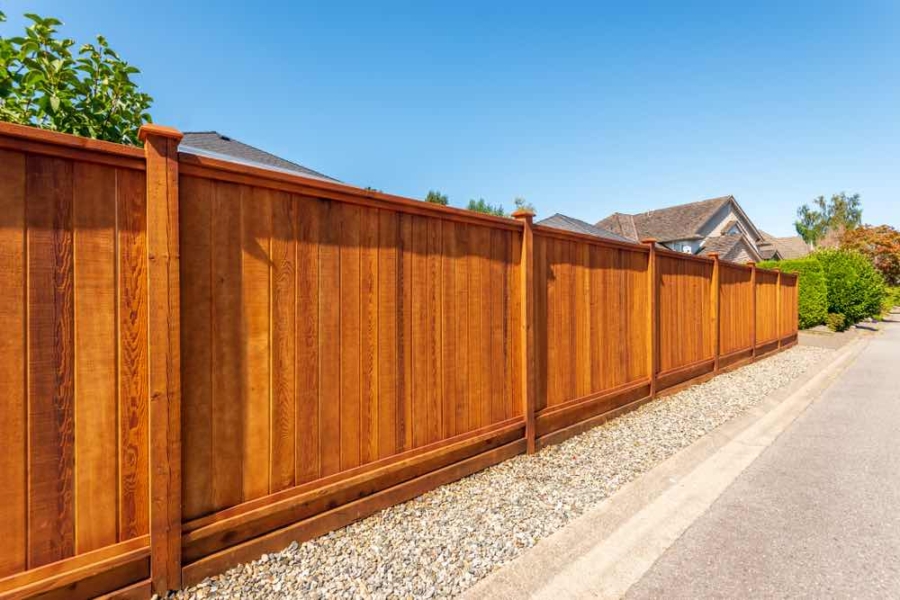
Most of the decisions that go into a professional fence staining project are straightforward — hire an insured contractor, use a quality oil-based product, make sure the prep is done correctly. The decision that trips up more DFW homeowners than any of those is one that seems like it should be simple: what color should the stain be?
Fence stain color selection is more consequential than most homeowners expect. The stain goes on a surface that runs the perimeter of your property, sits at eye level, and interacts visually with your home's exterior, your landscaping, and your neighborhood's overall aesthetic. A color that looks good on a small sample card looks very different on 150 linear feet of fence in direct Texas sun. A color that complements your home's brick perfectly might clash with the cedar siding on the fence sections near your neighbor's property line.
Getting the color right before the stain goes down saves a significant amount of time, money, and frustration. Here's a practical guide to fence stain color selection for DFW homeowners — what to consider, what to avoid, and how to make a confident decision before committing to a color.
Understanding Wood Stain Opacity Levels
Before getting into color selection, it helps to understand that fence stain color isn't just about hue — it's also about opacity, which determines how much of the wood's natural grain and character shows through the stain.
Transparent stains provide the least color coverage and allow the full natural grain and texture of the wood to show through. The color effect is subtle — a slight warming or enriching of the wood's natural tone rather than a distinct color change. Transparent stains are the right choice when the wood has attractive natural character you want to preserve and enhance rather than cover.
Semi-transparent stains provide moderate color coverage while still allowing significant wood grain to show through. This is the most popular opacity level for residential wood fence staining in the DFW area — it delivers a clear, consistent color while preserving the natural character that makes wood fencing appealing in the first place. Most of the color options available from professional-grade stain lines like Wood Defender are semi-transparent formulations.
Semi-solid stains provide heavier color coverage with minimal grain visibility. They're more color-forward than semi-transparent options and are a reasonable choice for older or rougher wood where the grain isn't attractive enough to showcase. Semi-solid stains behave somewhat more like paint in terms of how the color reads on the fence.
Solid color stains provide full color coverage similar to paint. The wood grain is not visible. Solid stains are more appropriate for surfaces where appearance consistency is the priority and wood character isn't a factor — they're less commonly used on privacy fencing where natural wood aesthetics are part of the appeal.
For most DFW homeowners staining a cedar wood privacy fence, semi-transparent stain is the starting point recommendation — it delivers a clear color result while keeping the natural wood character that distinguishes a stained wood fence from a painted or vinyl one.
How DFW's Sun Affects Stain Color Appearance
One of the most important factors in fence stain color selection that rarely gets mentioned in hardware store advice is how North Texas sun affects how stain colors look on an installed fence.
Colors look different in different light conditions. A stain sample that looks like a rich warm brown in the shade of a showroom or on a small sample card will look noticeably lighter and more washed out on a south or west-facing fence section in direct DFW afternoon sun. The intense UV in North Texas saturates surfaces with light in a way that lightens how colors read — particularly in lighter brown and tan tones.
The practical implication: in DFW, go one shade darker than you think you want when selecting a stain color for fence sections that will be in direct sun for significant portions of the day. What reads as a medium walnut tone on a shaded sample board reads as a light honey tone on a south-facing fence in July. A darker selection compensates for this effect and delivers the tone you're actually looking for.
For fence sections that are primarily in shade — north-facing sections, sections shaded by the house or mature trees — the same color will appear richer and darker than it does in direct sun. If your fence has both heavily shaded and heavily sun-exposed sections, this variation is worth discussing with your staining contractor before color selection is finalized.
Complementing Your Home's Exterior Colors
The single most important reference point for fence stain color selection is your home's exterior color palette. A fence that complements the house reads as a cohesive, intentional design element. A fence that clashes with the house reads as an afterthought — and in the worst cases, it draws attention to itself in a negative way.
Here's how to think about the color relationship between your fence and your home:
Brick homes are the most common exterior in established DFW neighborhoods, and warm brown and tan wood stain tones complement brick most naturally. The key is matching the undertone — a brick with orange-red undertones pairs best with stains that have similar warm red-brown undertones, while a brick with cooler gray-tan tones pairs better with stains in the cooler brown and driftwood range.
Stone and stucco exteriors offer more flexibility because stone and stucco typically have neutral undertones that work with a wider range of stain colors. Both warm and cool brown tones complement most stone and stucco exteriors well, and homeowners with these exterior types have more latitude to choose a stain color that's primarily driven by personal preference rather than color matching.
Painted wood and fiber cement siding creates the most direct color relationship with the fence. If your home's siding is a warm beige or tan, warm wood stain tones create a cohesive look. If your siding is gray, a cooler driftwood or weathered gray stain tone can create an intentional tonal relationship between the house and fence. If your siding is white, almost any stain color works because white is neutral and flexible.
Modern homes with dark exterior finishes — dark gray, charcoal, black — are increasingly common in DFW new construction and have their own fence color dynamic. Dark exterior finishes look particularly sharp with darker fence stain tones — dark walnut, espresso, or dark cedar — that match the home's overall moody aesthetic rather than creating a light-dark contrast.
Considering Your Landscaping
Fence stain color interacts with your landscaping as much as it does with your home's exterior — and landscaping is often what your fence is most directly visible against from inside the yard.
Green foliage is the most common backdrop for a DFW wood fence from the interior view, and virtually every wood stain tone reads well against green. The consideration is more about complementing specific landscaping features that are prominently visible against the fence line.
If you have mature trees with significant bark texture near the fence line, a stain color that references the bark tones — often warm gray-brown or medium brown — creates a cohesive natural look. If you have colorful flowering plants or landscaping beds along the fence line, a more neutral stain tone — not too warm, not too cool — avoids competing with seasonal color variation in the plantings.
Concrete and paver patio surfaces that run adjacent to the fence are worth considering as well. Warm-toned concrete or travertine pavers complement warm brown stain tones naturally, while gray or cool-toned concrete looks better with stains in the cooler brown and driftwood range.
Common Fence Stain Color Families and When to Use Them
Here's a practical overview of the most common stain color families used on residential wood fences in the DFW area and the situations where each one works best.
Cedar and natural tones — stains that enhance the natural reddish-orange warmth of cedar without dramatically changing it. These are the most versatile options for DFW homes because they complement the warm brick and stone that dominates the region's residential architecture. They work particularly well when the fence lumber is in good condition with attractive natural grain worth showcasing.
Warm browns and walnut tones — richer, deeper brown options that provide more color presence than natural cedar tones while staying in the warm spectrum. These work well on homes with medium to dark brown brick or stone, and they hold up well to DFW sun without washing out as quickly as lighter tones.
Dark and espresso tones — deeper, darker stain options that create a dramatic, sophisticated look. These work particularly well on modern home designs with dark exterior color schemes and on fences where a bold, intentional color choice is desired rather than a blend-into-the-background neutral. Dark tones absorb more heat in DFW summer sun, which is worth considering for fence sections in full direct sun.
Driftwood and weathered gray tones — cooler, gray-brown options that reference weathered natural wood without actually being deteriorated. These have become increasingly popular in DFW new construction neighborhoods with more contemporary home designs and gray or neutral exterior palettes. They're a natural complement to homes with gray fiber cement siding, cool-toned stone, or modern painted exteriors.
Redwood tones — warm red-brown options that are richer and more saturated than natural cedar tones. These work well on homes with red brick or terracotta tile roof elements where a complementary warm red-brown on the fence creates an intentional color relationship.
HOA Color Restrictions in DFW Neighborhoods
Before falling in love with a specific stain color, check your HOA guidelines for any fence appearance requirements. Many DFW homeowners associations have rules about fence stain colors — some specify natural wood tones only, some prohibit gray or weathered tones, and some require approval for any color outside a defined range.
HOA fence color requirements are more common in newer master-planned communities than in older established neighborhoods, but they exist across the Metroplex in communities of all ages. A quick review of your HOA guidelines before selecting a color saves the frustration of completing a stain job and then being asked to change it.
If your HOA has color approval requirements, your staining contractor should be able to provide product documentation showing the stain name, color designation, and opacity level for the HOA submission.
Testing Before Committing: The Sample Application Approach
For homeowners who are uncertain between two or three color options, the most reliable way to make a final decision is a sample application on an inconspicuous section of the actual fence before the full project is stained.
A small sample area on a fence section that isn't in a primary sightline — behind a gate, at the far back corner of the yard — gives you the opportunity to see the actual color on your actual wood in your actual light conditions. This is far more reliable than making a decision from a color card or a small sample board, because the wood species, the sun exposure, and the surrounding environment all affect how the color reads in real conditions.
If sample testing is part of your decision process, let the sample fully dry and cure before evaluating — wet stain looks darker and richer than fully cured stain, and making a color decision while the sample is still wet leads to miscalibrated expectations about the final result.
One More Consideration: Stain Color Consistency Over Time
When selecting a stain color, it's worth asking your contractor about the expected color evolution over the stain's service life. Most semi-transparent oil-based stains fade gradually over two to three years in the DFW sun, lightening from the original application tone toward a more weathered look as the UV protection depletes.
This fading is normal and expected — it's part of why restaining every two to three years is recommended. The consideration for color selection is whether you're selecting a color that looks great at the start of the cycle and acceptable as it fades, or whether you're selecting a color that will look washed out quickly and drive you to restain sooner than the product's service life would otherwise require.
Darker tones tend to fade more noticeably — the contrast between fresh application and faded coverage is more apparent. Lighter and more natural tones fade more gracefully because the starting color is closer to the weathered tone the wood naturally moves toward.
Professional Color Guidance as Part of Every Project
At DFW Pressure Washing & Fence Staining LLC, color selection is part of the estimate conversation — not an afterthought. We bring product samples to every estimate visit, discuss the color options in the context of your home's exterior, your landscaping, and your HOA requirements, and help you make a confident color decision before scheduling is finalized.
We use Wood Defender oil-based stains in a range of transparent and semi-transparent colors formulated specifically for Texas climate conditions. Every staining project is backed by a three-year limited warranty and performed by an experienced crew that knows how DFW sun affects color appearance and applies stain with the technique and equipment that delivers consistent coverage across every board.

Want to make sure you're choosing the right stain color for your fence before the project is scheduled? DFW Pressure Washing & Fence Staining LLC walks through color options during every property estimate — bringing samples, discussing how each option interacts with your home's exterior and landscaping, and helping you make a confident decision before a single board gets stained.
Get Your Free Estimate → dfwpressurewashing.net/contact-us

DFW Pressure Washing & Fence Staining LLC


