Blog
Vinyl Fence Installation in DFW: What Separates a Quality Install From One That Fails in Five Years
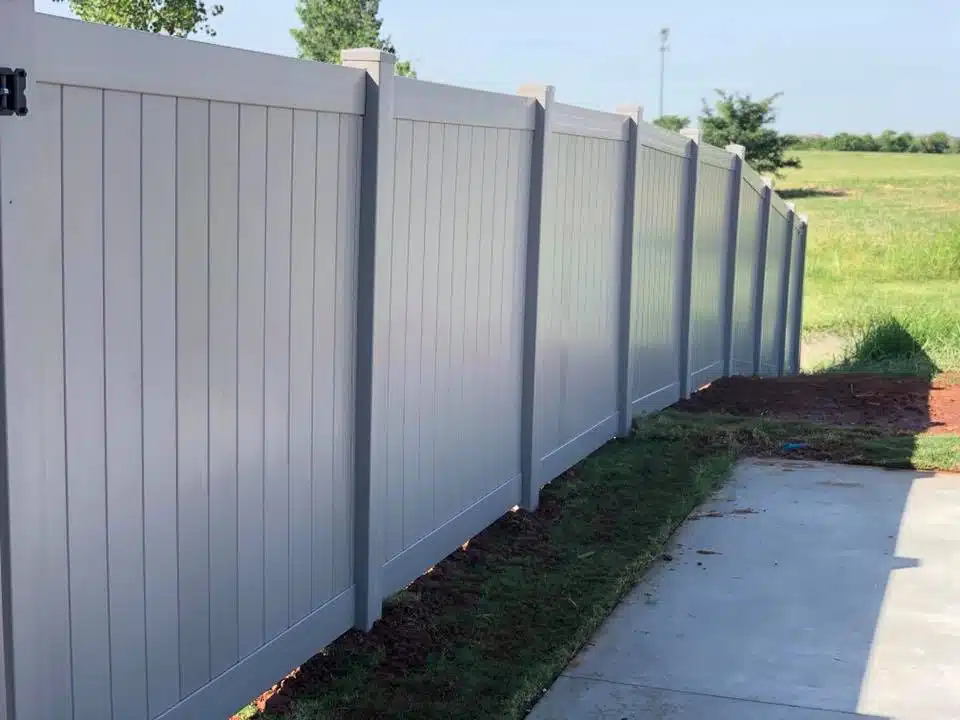
Vinyl fencing has one of the most appealing value propositions in the DFW residential fence market — no staining, no painting, no rot, significantly less maintenance than wood. That promise holds when the fence is installed correctly with quality material. It doesn't hold when the fence is installed with budget-grade vinyl, inadequate post depth, or hardware that isn't appropriate for North Texas's temperature extremes.
The vinyl fence failures that DFW homeowners call about — posts that lean, panels that crack, sections that discolor from UV, gates that won't latch — are almost always traceable to installation decisions made before the first post went in the ground. Understanding what separates a quality vinyl fence installation from a poor one is what allows homeowners to evaluate contractors and quotes accurately before committing.
Why Vinyl Fence Performance in DFW Is Material-Grade Dependent
The single most important variable in any vinyl fence installation is the grade of vinyl being used — and it's the variable most often obscured in the quoting process. Vinyl fencing is manufactured in a range of grades that differ in wall thickness, UV inhibitor content, and structural characteristics in ways that have significant performance implications in North Texas's temperature extremes.
The temperature problem for low-grade vinyl in DFW:
DFW's temperature range — from winter lows occasionally below freezing to summer highs above 100°F — creates thermal stress on vinyl fence components that exposes the difference between material grades more clearly than in milder climates. Vinyl expands and contracts with temperature changes at a higher coefficient than wood or metal — the same fence panel that's tight in cool morning conditions may show visible thermal gap at midday in a DFW July.
Low-grade vinyl with thin walls loses structural rigidity at high temperatures — the panels become slightly flexible in DFW summer heat, which affects how the fence holds its profile under wind loading and how gate hardware maintains its alignment through the temperature cycle. Low-grade vinyl also becomes brittle at lower temperatures — DFW's winter freeze events create impact vulnerability in thin-wall vinyl that thicker-wall commercial-grade vinyl doesn't show.
UV inhibitor content is the appearance longevity variable:
The chalky, faded appearance that vinyl fences develop over time — the condition that makes a five-year-old low-grade vinyl fence look like it's fifteen years old — is UV degradation of the vinyl surface. UV breaks down the polymers in vinyl progressively, causing color fading and surface oxidation that appears as the chalky film that no amount of cleaning fully removes.
Higher-grade vinyl with more robust UV inhibitor packages resists this degradation significantly longer — maintaining its original color and surface quality through more DFW sun exposure before showing the fading that low-grade vinyl shows within a few seasons.
What grade vinyl am I getting? This is the question every DFW homeowner should ask before accepting any vinyl fence quote. A contractor who can answer with specific wall thickness dimensions and UV inhibitor details is specifying material they know and stand behind. A contractor who can't describe the material grade is potentially using whatever is cheapest — which in vinyl fencing means a product that won't deliver the low-maintenance promise it's being sold for.
Post Setting for Vinyl: Where DFW Clay Soil Creates Specific Requirements
The post setting requirements for vinyl fence installation in DFW follow the same fundamental logic as wood fence installation — DFW's expansive clay requires deeper post setting than standard guidance specifies — with vinyl-specific adjustments for the different load characteristics of vinyl fence panels.
Post depth for vinyl fencing in DFW:
Minimum 36 inches below grade for standard line posts, 42 to 48 inches for gate posts. This is the same specification appropriate for wood fence posts in DFW clay conditions. Vinyl fence panels are lighter than wood board-on-board panels, which reduces one of the load components on the post — but the lateral force from DFW's clay movement acts on the post itself regardless of what panel type it supports, and adequate depth for clay conditions is the requirement.
Vinyl fence contractors who default to minimum-depth post setting because vinyl panels are lighter are applying a load-reduction logic that doesn't account for the soil movement that's the primary post stability challenge in DFW clay. The clay doesn't care whether it's pushing against a post that supports vinyl or wood — it exerts the same lateral force either way.
Concrete footing specification for vinyl posts:
Vinyl fence posts are typically hollow rather than solid — the post sleeve fits over a steel insert or is itself the structural post without a solid wood core. This hollow post construction affects how the concrete footing distributes load from the post into the soil, and it affects how moisture enters the post if the footing design directs water toward the post rather than away from it.
Concrete at the post should be finished with a slope away from the post — the same practice appropriate for wood fence posts — directing surface water away from the post base rather than pooling against it. For vinyl posts with hollow interiors, water that enters the post from above can accumulate inside and create conditions that affect post integrity over time.
Steel post inserts for gate posts:
Gate posts for vinyl fence systems carry the same higher loads as gate posts for any fence type. Many quality vinyl fence systems specify steel post inserts inside the vinyl post sleeve for gate positions — the steel insert provides the structural strength that vinyl alone doesn't deliver for the concentrated load of gate hanging and operation. Budget vinyl installations that use standard vinyl post sleeves for gate positions without steel reinforcement create the sagging, misaligned gates that DFW homeowners deal with within a few seasons.
Panel Installation: What Correct Looks Like and What Doesn't
Vinyl fence panels install differently from wood fence boards — the panel system fits into channels in the post rather than being individually fastened to rails, and the thermal expansion of vinyl creates specific installation requirements that wood board installation doesn't have.
Thermal expansion gaps:
Quality vinyl fence installation accounts for the thermal expansion of vinyl panels by leaving appropriate expansion clearance at panel ends where they fit into post channels. Panels installed without adequate expansion clearance have nowhere to go when DFW summer heat drives them to their maximum expanded dimension — they push against the post channel and create visible bowing in the panel, or they force the post to move in the direction of the thermal expansion force.
This expansion gap is critical and specific to vinyl installation — a contractor who installs vinyl panels at the same tight fit they'd use for a wood fence board is creating the thermal expansion problems that appear in DFW's first hot summer.
Panel alignment and rail levelness:
Vinyl fence panels that aren't installed with level rails show their misalignment more prominently than wood board fencing — the horizontal profile lines of vinyl panels make any deviation from level immediately visible from a distance. A vinyl fence that looks level at installation but has a slight rail slope visible from the street was installed without careful leveling at each post.
Professional vinyl installation uses a level at every post-to-rail attachment during installation — not just at the beginning and end of a fence run — to catch any grade variation between posts and maintain level rail alignment across the full fence line.
Gate Installation for Vinyl Systems
Vinyl gates have specific installation considerations that differ from wood gate installation — primarily related to the material's lower rigidity and the thermal expansion that affects gate fitting.
Anti-sag hardware for wider vinyl gates:
Vinyl gate panels are less rigid than steel or wood gate panels of comparable dimensions. Wider vinyl gates — more than 4 feet — benefit from anti-sag cable or rod systems that resist the racking force that causes wide gates to sag over time. Without anti-sag hardware, the lower rigidity of vinyl panels allows progressive sag that misaligns the latch and creates the gate-won't-close problem that vinyl gate owners encounter.
Latch adjustment range:
Vinyl gate latches need adequate adjustment range to accommodate the thermal movement of the gate and post. A latch with limited adjustment that works perfectly in cool morning conditions may not catch in afternoon heat when both the gate and the latch post have expanded to their maximum dimensions. Hardware with sufficient adjustment range maintains reliable latching across DFW's full temperature cycle.
Clearance gaps:
Gate-to-post clearance in vinyl systems needs to account for thermal expansion — tight clearance that works when cool creates binding when hot, and adequate clearance when hot may create excessive gaps when cool. The appropriate clearance specification for vinyl gates in DFW is slightly more generous than for comparable wood or metal gates to accommodate the thermal movement range that North Texas temperatures produce.
HOA Considerations for Vinyl Fence Installation
Vinyl fence installation in DFW HOA communities follows the same HOA approval process as any fence installation, with vinyl-specific considerations that homeowners should confirm before the installation is scheduled.
Color requirements are more relevant for vinyl than for wood — HOA communities with fence guidelines often specify white or tan vinyl specifically, and some communities prohibit certain vinyl color options that are available in the manufacturer's standard palette. Confirming that the planned vinyl color is within HOA-approved options before purchasing material prevents the expensive situation of installed fencing that requires removal or replacement for color compliance.
Profile and style requirements may also apply — some HOA communities specify particular vinyl fence profiles and prohibit others. Decorative vinyl fence styles with lattice tops, scalloped profiles, or ornamental post caps may or may not be permitted depending on the specific community's guidelines.
Professional Vinyl Fence Installation Across the DFW Metroplex
DFW Pressure Washing & Fence Staining LLC installs vinyl fencing throughout the Dallas-Fort Worth area — including Kennedale, Arlington, Mansfield, Fort Worth, Grand Prairie, and surrounding communities.
Every vinyl fence installation specifies material grade explicitly — wall thickness and UV inhibitor content appropriate for DFW's temperature extremes and UV exposure. Post depth is specified for DFW clay soil conditions rather than standard minimums. Gate posts include steel reinforcement inserts where gate loads require it. Panel installation includes appropriate thermal expansion clearance. Gate hardware includes the adjustment range that DFW's temperature cycle requires.
Every installation includes HOA approval coordination before installation begins and utility locate confirmation before any digging starts.

Want to make sure your DFW vinyl fence installation delivers the low-maintenance performance vinyl promises — with the material grade, post depth, and installation detail that North Texas conditions actually require? DFW Pressure Washing & Fence Staining LLC installs vinyl fencing with the specifications that make the low-maintenance promise hold up through DFW's temperature extremes, clay soil movement, and UV exposure.
Get Your Free Estimate → dfwpressurewashing.net/contact-us

DFW Pressure Washing & Fence Staining LLC


