Blog
Why DFW Homeowners Should Pressure Wash Before Every Paint or Stain Project
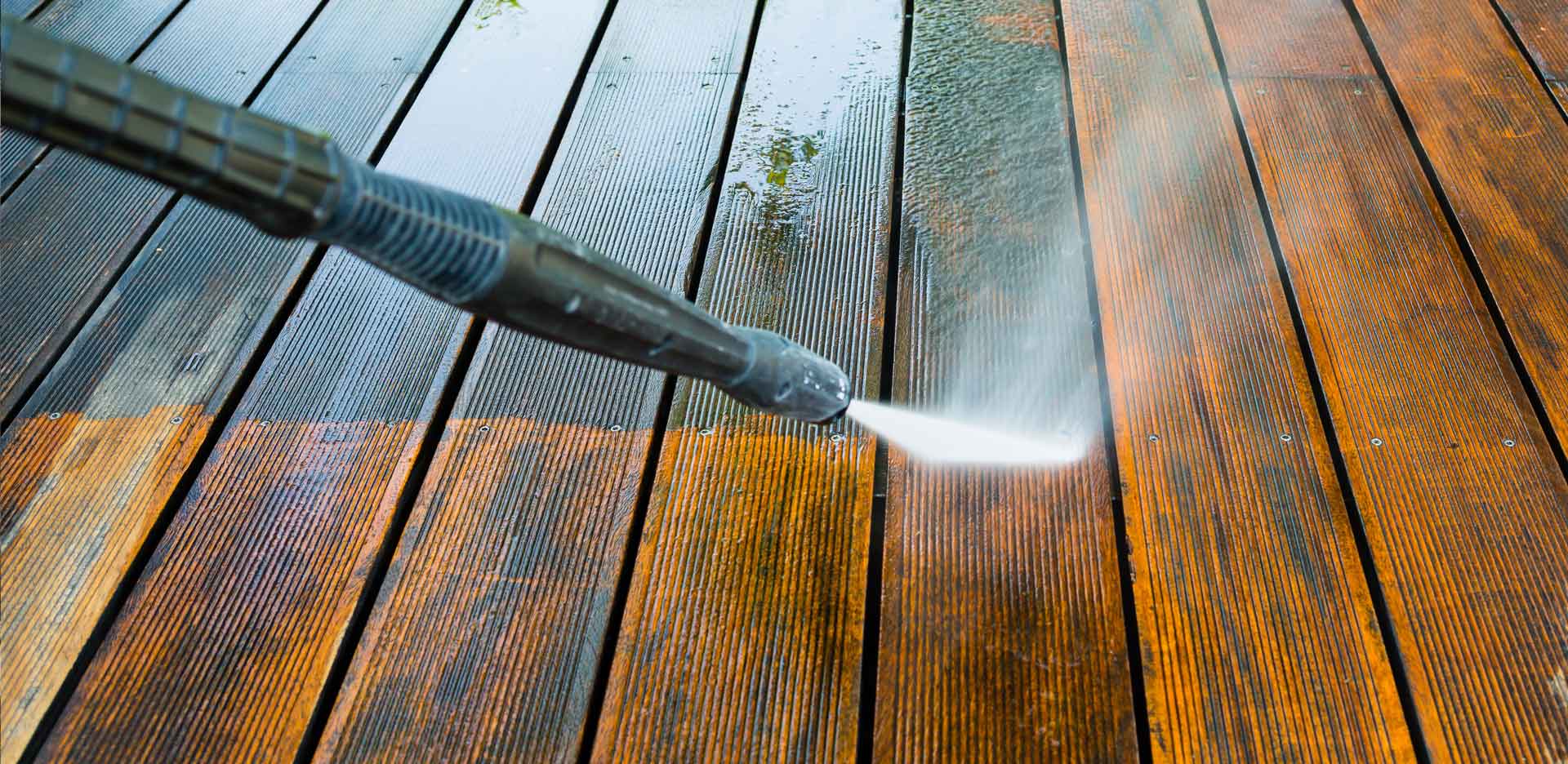
If you're planning to paint your home's exterior, stain your fence, seal your driveway, or apply any kind of protective finish to an outdoor surface in the Dallas-Fort Worth area, there's one step that determines more than almost anything else how long that finish lasts: surface preparation.
Specifically, pressure washing before any paint, stain, or sealer application is one of the most important and most frequently skipped steps in exterior finishing projects across the DFW area. Homeowners see it as an add-on — something optional, something they can skip to save time or money. Professional contractors and product manufacturers see it differently. Most exterior finish manufacturers explicitly require clean, dry, properly prepared surfaces as a condition of their product warranties. Skip the prep and you void the warranty before the first coat is even dry.
Here's why surface prep matters so much in North Texas, what happens when you skip it, and how pressure washing fits into every exterior finishing project worth doing right.
What's Actually on Your Surfaces Before You Start
The reason pressure washing before painting or staining is so important starts with understanding what's actually sitting on your exterior surfaces before any finish gets applied.
Even surfaces that look reasonably clean to the naked eye are typically covered in a layer of contaminants that will prevent proper adhesion. In the DFW area, that layer typically includes:
Atmospheric dust and dirt that settles on every outdoor surface continuously. Pollen — North Texas produces some of the highest pollen counts in the country, and the organic film it leaves on surfaces is more significant than most homeowners realize. Algae, mold, and mildew that have established themselves on any surface that sees moisture and shade. Chalking from previously applied paint or stain that has broken down at the surface level. Oil and chemical residue on driveways and concrete. Hard water mineral deposits near irrigation systems and outdoor faucets. Spider webs, insect debris, and other organic material in corners, joints, and textured surfaces.
Every one of these contaminants creates a barrier between the surface and the finish you're trying to apply. Paint applied over mildew doesn't adhere to the substrate — it adheres to the mildew, which isn't bonded to the surface at all. Stain applied over dust and chalk sits on top of those contaminants rather than penetrating into the wood. Sealer applied over algae traps the biological growth under the sealer and accelerates its spread.
The result in every case is a finish that fails prematurely — peeling, bubbling, uneven adhesion, early fading, or complete delamination within months rather than the years the product was designed to last.
The Specific Case for Pressure Washing Before Fence Staining
Fence staining is one of the most common exterior finishing projects for DFW homeowners, and it's one where the pressure washing prep step makes the single biggest difference in how long the stain lasts.
Wood is a porous material, and oil-based stain — the preferred product type for exterior wood in the North Texas climate — works by penetrating into those pores and bonding with the wood fibers at a structural level. That penetration is what gives professional-grade fence staining its durability. The stain isn't sitting on the surface where it can peel and chip — it's inside the wood where it protects from within.
For that penetration to happen correctly, the wood pores need to be open and clean. A fence that hasn't been pressure washed before staining has pores that are filled with dirt, mildew, algae, and weathered wood fiber debris. The stain can't penetrate those blocked pores. It sits on the surface layer of contamination, where it dries as a surface film rather than a penetrating treatment — and surface films on wood crack, peel, and fail exactly like paint does, typically within one season rather than two to three years.
Pressure washing before staining also removes the gray weathered surface layer that develops on wood exposed to DFW's UV. That gray layer is degraded lignin — essentially dead wood fiber at the surface level. Staining over it doesn't restore or protect it — the degraded fiber continues to break down under the stain, causing premature failure. Pressure washing removes that layer and exposes the healthy wood underneath, giving the stain a sound substrate to bond with.
At DFW Pressure Washing & Fence Staining LLC, pressure washing is always the first step of every staining project — never optional, never skipped. It's the foundation that everything else is built on.
Pressure Washing Before Exterior House Painting
Exterior house painting in the DFW area involves significant material and labor investment. A full exterior repaint is not an inexpensive project, and the last thing any homeowner wants is to see that investment start failing within a year or two because the surface wasn't properly prepared.
The primary prep concerns for exterior painting in North Texas are mildew and chalking. Mildew on siding — one of the most common exterior conditions in DFW's humid spring and fall seasons — must be killed and removed before painting. Painting over active mildew causes the mildew to grow through the new paint film relatively quickly, creating bubbling and staining that ruins the new paint job from underneath.
Chalking — the powdery residue that forms on the surface of aged exterior paint as it breaks down — creates a similar adhesion problem. New paint applied over a chalky surface bonds to the chalk rather than to the substrate. The chalk releases, and the new paint goes with it, often in large peeling sheets.
Soft washing or pressure washing with appropriate pre-treatment before exterior painting removes both mildew and chalking, giving the new paint a clean, sound surface to bond with. Most professional painters in the DFW area require or strongly recommend a surface wash before beginning any exterior painting project.
The Case for Pressure Washing Before Concrete Sealing
Concrete sealing is the exterior project where the consequences of skipping pressure washing prep are most immediately visible — and most difficult to fix once they've occurred.
Concrete sealer works by penetrating into the pores of the concrete and creating a hydrophobic barrier inside the material. For penetrating sealers, that penetration is everything — the sealer needs direct contact with clean concrete to work correctly. For topical sealers, adhesion to the concrete surface is critical — a clean, contaminant-free surface is what allows the sealer to bond uniformly.
When sealer is applied over dirty, oil-stained, or algae-covered concrete, the problems are both functional and visible. The sealer doesn't penetrate or adhere correctly in contaminated areas, creating uneven protection with weak spots where contaminants blocked proper bonding. On topical sealers, the contaminated areas often appear as cloudiness, dark patches, or areas where the sealer has bubbled or delaminated — visible failures that require removing the failed sealer and starting over.
Removing failed sealer from concrete is more work than applying it correctly the first time. Chemical sealer strippers, mechanical grinding, or both may be required to get back to a clean surface. In most cases, the cost of fixing a failed sealer application that skipped proper prep exceeds the cost of the original pressure washing that would have prevented the failure.
DFW Pressure Washing & Fence Staining LLC offers pressure washing and seal and protect services together for exactly this reason — doing both in the correct sequence in a single coordinated service eliminates the prep gap and ensures the sealer goes down on the cleanest possible surface.
How Long to Wait After Pressure Washing Before Applying Finish
One of the most important and most frequently misunderstood aspects of surface prep is the drying time required between pressure washing and finish application. Applying stain, paint, or sealer to a surface that's still holding moisture from the pressure wash is one of the most common causes of premature finish failure — even when the pressure washing itself was done correctly.
For concrete, drying time before sealing typically means 24 to 48 hours of dry weather after pressure washing in DFW conditions. The actual drying time depends on temperature, humidity, sun exposure, and how thoroughly the concrete was saturated during washing. Hot, sunny DFW weather in spring and fall speeds the drying process; cool or humid conditions extend it.
For wood surfaces being prepared for staining, drying requirements are similar but wood's moisture retention varies significantly by species, thickness, and how weathered the wood is. Heavily weathered wood that absorbed a lot of water during pressure washing may need 48 to 72 hours or more to reach the moisture level appropriate for staining. A moisture meter — used by professional applicators — is the reliable way to confirm wood is ready rather than estimating by feel or appearance.
Rushing the drying period is one of the most common causes of failed finish applications in DIY projects. A surface that looks dry on the outside can still hold enough subsurface moisture to prevent proper penetration and adhesion. The extra day of patience between washing and staining or sealing is never wasted.
What Pressure Washing Cannot Fix Before a Finish Project
While pressure washing is essential prep for any exterior finishing project, it's worth being clear about what it can and can't address.
Pressure washing removes surface contamination — dirt, mildew, algae, loose chalking, and weathered surface material. It cannot remove deeply penetrated oil stains that have bonded into concrete over years of accumulation. It cannot reverse UV damage that has degraded wood fiber below the surface level. It cannot fix structural issues — cracked or rotted fence boards, spalled concrete, or failing substrate — that need physical repair before any finish can be applied.
For concrete with deep oil staining, chemical degreaser pre-treatment combined with pressure washing delivers better results than pressure washing alone. For wood with significant UV degradation, a wood brightener or oxalic acid treatment after pressure washing can help restore surface pH and open the wood for better stain penetration. For any surfaces with structural damage, repairs need to happen before washing and finishing — not after.
A professional assessment before any major exterior finishing project identifies these conditions and determines the right prep approach for each specific surface rather than applying a one-size-fits-all pressure washing sequence.
Serving DFW Homeowners With Professional Prep and Finishing Services
DFW Pressure Washing & Fence Staining LLC provides professional pressure washing, soft washing, wood staining, seal and protect services, and fence installation throughout the Dallas-Fort Worth area, including Kennedale, Arlington, Mansfield, Fort Worth, Grand Prairie, and surrounding communities.
Every staining and sealing project we do starts with proper pressure washing prep — because we know that the prep is what determines how long the finish lasts. We use professional-grade hot and cold pressure systems, select appropriate pre-treatment solutions for each surface type, and give surfaces the drying time they actually need before any stain or sealer goes down.
The result is finishing work that performs the way it's supposed to — protecting your surfaces for two to three years between service cycles, backed by a three-year limited warranty on staining work.

Want to make sure your fence, driveway, or exterior surfaces are properly prepped and protected before the next finish application? DFW Pressure Washing & Fence Staining LLC assesses every surface during the property walkthrough and identifies any prep or repair needs before the work is scheduled. We make sure the surface is ready before a single drop of stain or sealer goes down.
Get Your Free Estimate → dfwpressurewashing.net/contact-us
DFW Pressure Washing & Fence Staining LLC


