Blog
Why Your Garage Door, Shutters, and Cedar Columns Are the Most Neglected Wood on Your DFW Property
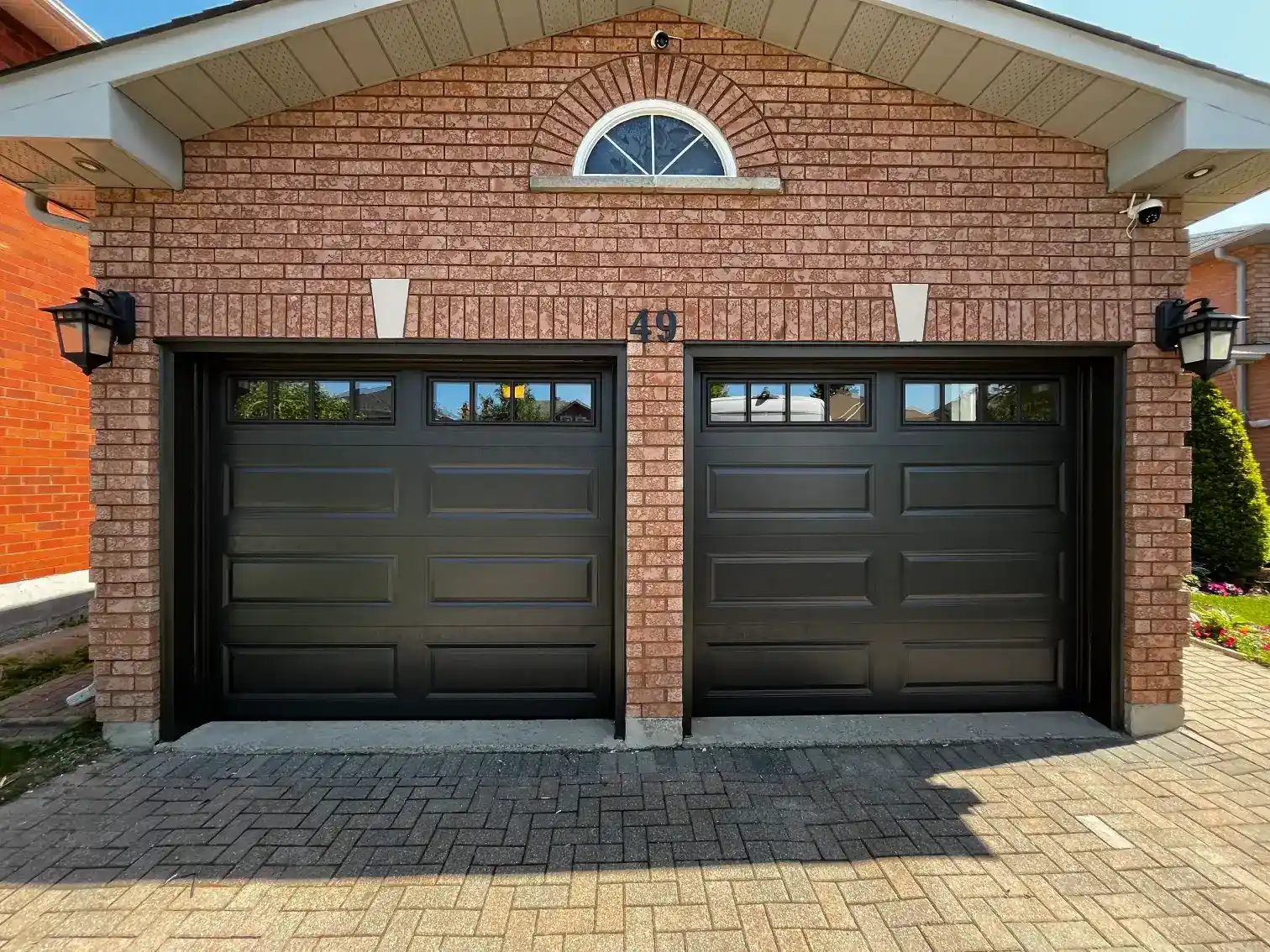
Ask most DFW homeowners when they last had their fence stained and they'll either give you an answer or admit it's overdue. Ask the same homeowners when they last had their garage door, wood shutters, or cedar columns stained and you'll almost always get a blank look.
These surfaces get overlooked in the exterior maintenance routine of most North Texas homeowners — not because they don't matter, but because they don't get the same visibility as a fence line that runs the perimeter of the yard. They sit at eye level on the front of the house, often in direct sun, taking the same UV and moisture punishment that a fence takes year after year — and in many cases, they're deteriorating faster because they're more exposed and less maintained.
The consequences of ignoring these surfaces aren't just cosmetic. A cracked, weathered wood garage door or a set of dry-rotted cedar shutters on the front of a DFW home affects curb appeal, property value, and the long-term integrity of the wood itself. Here's what every DFW homeowner with wood accent surfaces should know about staining and protecting these often-forgotten features.
Why These Surfaces Deteriorate Faster Than You Expect
Before getting into specific surfaces, it helps to understand why wood garage doors, shutters, cedar columns, and patio covers deteriorate as quickly as they do in the Dallas-Fort Worth climate — often faster than a wood fence that gets far more maintenance attention.
The answer comes down to exposure and orientation. Most wood accent surfaces on the front of a DFW home face south or west — the two orientations that receive the most intense direct sun in North Texas. A south-facing wood garage door gets full UV exposure throughout the middle of the day, every day, year-round. A west-facing door catches the most intense afternoon sun during DFW's hottest summer months. That UV exposure breaks down wood lignin — the compound that holds wood fibers together — faster on these surfaces than on a fence that may have partial shade from trees or a house structure.
Cedar columns and patio covers have a different exposure challenge. They're architectural elements that are often semi-sheltered from direct rain but trap moisture in joints, corners, and post bases where water sits rather than draining freely. That trapped moisture combined with the DFW humidity cycle creates ideal conditions for mold, mildew, and wood rot — particularly at post bases where columns meet concrete or stone.
Understanding these specific exposure challenges is what informs the right staining approach for each surface type.
Wood Garage Doors: The Most Visible Wood on Your Property
A wood garage door is one of the largest and most visible wood surfaces on most DFW homes. It sits front and center on the facade, takes full weather exposure, and interacts with the driveway environment where vehicle traffic, oil drips, and exhaust create additional surface challenges.
What happens without regular staining:
The first sign of neglect on a wood garage door is color change — the rich natural wood tone starts to fade and gray as UV damage breaks down the surface lignin. This typically begins within one to two years of installation or the last stain application in the DFW climate, and it progresses faster on south and west-facing doors.
As graying deepens, surface cracking begins along the wood grain. On a garage door with raised panels — the most common residential style — cracking typically starts at the corners and edges of panels where wood is thinnest and where water tends to sit after rain. Once cracking begins, moisture gets into the wood more readily, accelerating the deterioration cycle.
Advanced neglect leads to panel warping as wood expands and contracts unevenly with seasonal moisture changes. Warped panels on a garage door create operational issues beyond the cosmetic — gaps in the door seal, binding in the tracks, and in severe cases structural compromise of the panel itself.
Professional wood garage door staining:
Professional staining for wood garage doors involves the same fundamental process as fence staining — thorough cleaning and prep, adequate drying time, and even application of a quality penetrating stain using appropriate equipment. The difference is in the precision required. A garage door has detailed panel profiles, raised edges, and trim elements that require careful application technique to achieve even coverage without runs or buildup in corners.
Color selection for garage doors is also more nuanced than fence staining — the door is a prominent design element that should complement the home's exterior color scheme and architectural style. DFW Pressure Washing & Fence Staining LLC offers transparent and semi-transparent stain options that allow the natural wood character to show while providing the UV and moisture protection the surface needs.
Wood Shutters: Small Surface, Big Impact on Curb Appeal
Wood shutters are a relatively small surface area compared to a garage door or fence, but their impact on curb appeal is disproportionate to their size. Shutters frame the windows of a home's facade — they're at eye level for anyone approaching the front door, and their condition is noticed even by visitors who aren't consciously evaluating the property's maintenance.
What happens without regular staining:
Wood shutters in the DFW climate deteriorate through the same UV and moisture cycle as other exterior wood surfaces, but with a specific vulnerability related to their installation. Shutters are typically mounted flat against the home's exterior wall, which means the back face and mounting hardware see less air circulation than the exposed front face. This creates a moisture trap on the back surface that's invisible from the street but accelerates deterioration from behind.
Shutters also have narrow horizontal louvers or raised panel details that collect and hold water rather than shedding it freely. Water that sits in these details soaks into the end grain of the wood — the most moisture-vulnerable part of any piece of lumber — and drives deterioration faster than on flat surfaces.
Professional wood shutter staining:
Shutters benefit from removal and staining as a flat surface where both faces and all edges can be properly treated, rather than staining in place where the back face and mounting hardware areas are inaccessible. Not all contractors take this approach — staining in place is faster — but full coverage including the back face and edge grain is what provides complete protection and maximum staining longevity.
When replacement is needed — shutters that have deteriorated past the point where staining can restore them — DFW homeowners have the option of replacing like for like with new wood shutters or upgrading to composite or PVC shutters that don't require ongoing staining maintenance.
Cedar Columns: The Architectural Detail That Takes the Most Abuse
Cedar columns are one of the most distinctive and most challenging wood surfaces to maintain on a DFW property. They're architectural elements — often structural or semi-structural — that add significant visual character to front porches, covered entries, and patio structures. They're also among the hardest surfaces to maintain properly because of their shape, their mounting situation, and the specific moisture challenges they face.
The post base problem:
The most common and most serious deterioration issue for cedar columns in DFW is post base rot. Columns that are mounted on or near concrete, stone, or brick bases accumulate moisture at the base — water splashes from the hard surface during rain, irrigation systems wet the base regularly, and any gap between the column base and the mounting surface traps moisture that can't evaporate freely.
Post base rot progresses from the inside out — the exterior of the column may look structurally sound while significant rot has developed in the core at the base level. By the time surface checking and staining failure appear at the base, rot may have already compromised the column's structural integrity.
Proper maintenance for cedar columns includes not just regular staining but specific attention to base sealing and keeping moisture from pooling at the column base. A quality penetrating stain applied thoroughly at the base and bottom section of the column — reapplied on schedule — is the most effective preventive measure against post base rot.
What professional cedar column staining involves:
Cedar columns present an application challenge because of their shape — a round or square column requires coverage on all faces, including the areas behind trim details and at the column base where access may be limited. Professional application using spray equipment combined with back-brushing ensures complete coverage in all areas, including the base section that needs the most thorough treatment.
Any existing base rot should be assessed before staining — columns with advanced base rot may need structural repair or replacement before staining can be effective. DFW Pressure Washing & Fence Staining LLC evaluates column condition during the estimate visit and gives an honest assessment of whether staining alone is sufficient or whether repair is needed first.
Patio Covers and Pergolas: Overhead Wood That Gets Ignored
Patio covers and pergolas are the outdoor wood structures that most consistently get overlooked in exterior maintenance routines — partly because they're overhead and out of the normal sightline, and partly because homeowners associate staining with fences rather than overhead structures.
The maintenance reality for patio covers and pergolas in the DFW climate is that they need the same staining schedule as a fence — every two to three years — and in some cases more frequently because horizontal surfaces on pergola beams face direct rain impact rather than shedding it the way vertical surfaces do.
The horizontal surface challenge:
Horizontal beam tops on pergolas and patio covers are the highest-risk surfaces for water accumulation and UV degradation. Water sits on horizontal surfaces rather than draining immediately, which means horizontal beam tops are wet for extended periods after every rain event. Combined with DFW's intense UV on the top face of the same beam, horizontal pergola surfaces experience both extreme drying and extreme wetting in the same weather cycle — one of the most damaging conditions for wood.
Checking — small surface cracks along the wood grain — is the first visible sign that horizontal pergola beams are overdue for staining. Once checking begins, water gets into the wood at the crack and the deterioration cycle accelerates. Addressing the surface at the first sign of checking with professional cleaning and staining stops the cycle before it progresses to splitting and structural compromise.
Combining Services: The Most Efficient Approach
One of the most practical aspects of working with DFW Pressure Washing & Fence Staining LLC for wood surface staining is the ability to combine multiple wood surfaces into a single service visit. Staining the fence, garage door, shutters, cedar columns, and pergola in one coordinated appointment is more efficient than scheduling separate visits for each surface — and it ensures consistent prep quality and stain color across all wood surfaces on the property.
Many DFW homeowners discover during a property walkthrough that they have more wood surfaces needing treatment than they initially realized. A fence they knew needed staining, a garage door they'd noticed fading, and a pergola they'd been ignoring can all be addressed in a single comprehensive service that sets every wood surface on the property on the same maintenance cycle going forward.
Staining Products That Perform in the DFW Climate
DFW Pressure Washing & Fence Staining LLC uses Wood Defender oil-based stains across all wood surface staining projects — fences, garage doors, shutters, cedar columns, patio covers, and pergolas. Wood Defender is formulated specifically for Texas climate conditions, providing strong UV protection and moisture repellency that performs through the full range of North Texas seasonal conditions.
Available in transparent and semi-transparent finishes in a range of colors, Wood Defender stains allow the natural character of cedar and other wood species to remain visible while providing the protection level that DFW's climate demands. Every staining project DFW Pressure Washing & Fence Staining LLC completes is backed by a three-year limited warranty.
Serving DFW Homeowners Across the Metroplex
DFW Pressure Washing & Fence Staining LLC provides professional wood staining for fences, garage doors, shutters, cedar columns, patio covers, pergolas, and decks throughout the Dallas-Fort Worth area, including Kennedale, Arlington, Mansfield, Fort Worth, Grand Prairie, and surrounding communities. We also provide pressure washing and seal and protect services — covering every exterior wood and concrete maintenance need on your property.
Every project starts with a thorough walkthrough that identifies all wood surfaces needing attention — including the ones that often get overlooked — and a clear estimate covering each surface so nothing gets left unprotected for another season.

Want to make sure every wood surface on your DFW property is properly cleaned, stained, and protected — not just the fence? DFW Pressure Washing & Fence Staining LLC reviews every wood surface during the property walkthrough, including garage doors, shutters, cedar columns, and pergolas that most homeowners overlook until deterioration is already advanced. We identify what needs attention before the stain goes down.
Get Your Free Estimate → dfwpressurewashing.net/contact-us
DFW Pressure Washing & Fence Staining LLC


