Blog
Wood Fence Repair vs. Full Panel Replacement in DFW: Making the Right Call Section by Section
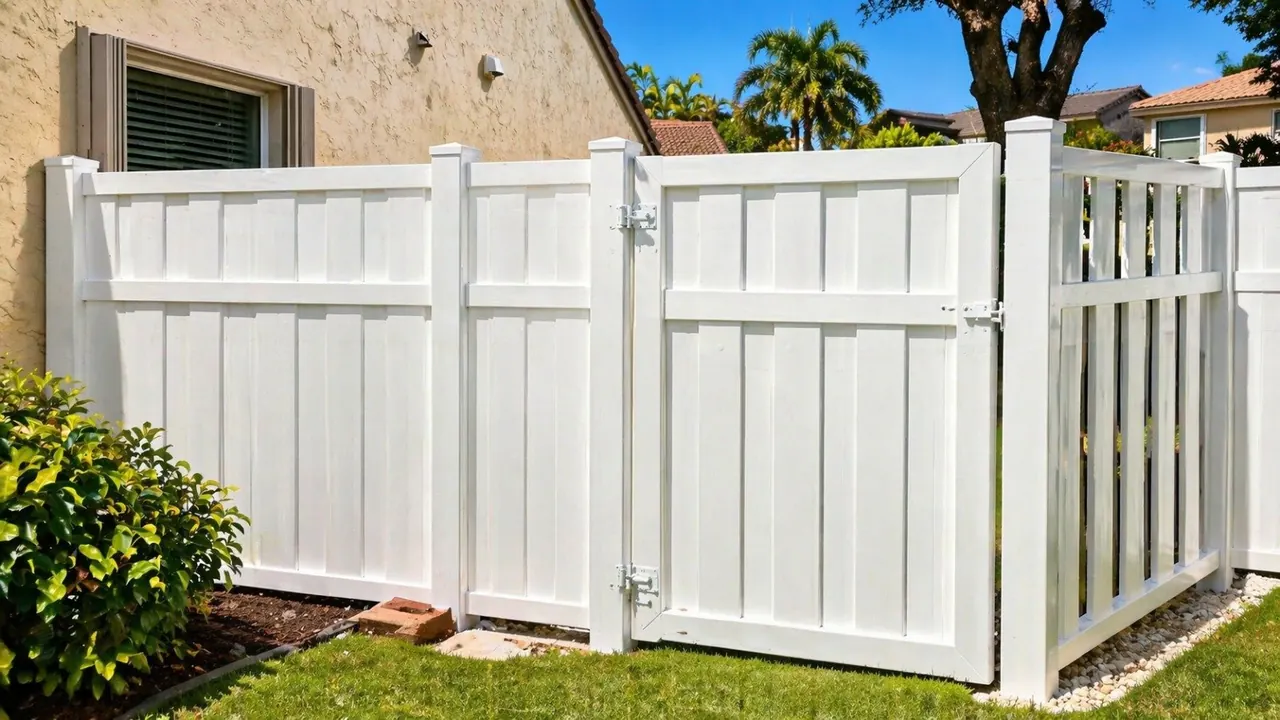
The repair versus replace decision for a wood fence gets discussed most often at the whole-fence level — is the entire fence worth saving or does the whole thing need to come out? What gets less attention is the section-by-section version of that same question that most DFW fence owners actually face. The fence as a whole may be worth keeping, but individual sections within that fence have different conditions, different histories, and different cost-effectiveness profiles for repair versus replacement.
Understanding how to evaluate fence condition section by section — rather than treating the fence as a uniform structure that's either all repairable or all replaceable — leads to more accurate cost decisions and better outcomes than the all-or-nothing framing most homeowners default to.
Why Fence Condition Varies Section by Section
Before getting into assessment methodology, it helps to understand why fence sections within the same fence line develop different conditions — because the variation is often more significant than homeowners expect, and understanding its causes improves assessment accuracy.
Irrigation exposure variation: In DFW neighborhoods, irrigation systems typically concentrate spray in specific zones — the lawn areas closest to the fence line. Fence sections adjacent to these irrigation zones receive repeated wetting that non-irrigated sections don't. The result is accelerated biological growth, faster stain depletion, and more rapid wood deterioration on irrigated sections compared to dry sections of the same fence that were installed on the same day with the same materials.
Sun exposure variation: South and west-facing fence sections in the DFW climate receive dramatically more UV exposure than north and east-facing sections. UV exposure is the primary driver of stain depletion on vertical fence surfaces — which means sections facing into the afternoon sun deplete their stain protection and begin UV-related deterioration significantly faster than shaded sections. A south-facing section and a north-facing section of the same fence installed at the same time can be at completely different points in their deterioration cycle.
Shade and moisture retention variation: Sections under tree canopy stay moister longer after rain events, accumulate organic debris from overhanging trees, and develop biological growth more rapidly than open-exposure sections. These are the sections that typically need more frequent cleaning and staining attention — and that show deterioration patterns specific to chronic moisture exposure rather than UV-driven weathering.
Previous repair history: A fence line that's been in service for ten or more years has likely had individual boards replaced in some sections — particularly around gates and in areas that experienced specific damage events. Sections with replacement boards installed at different times have wood at different ages and condition levels, creating heterogeneous structural condition across the fence line.
The Section-by-Section Assessment Framework
Evaluating a fence section by section requires a consistent assessment approach that covers the same variables for each section — so the comparison across sections is apples-to-apples rather than influenced by where attention happened to focus during the inspection.
For each section — defined by the fence span between two posts — assess the following:
Post condition: Is the post plumb? Is it stable under firm lateral pressure? Is there any evidence of base rot — softness, discoloration, or soil separation at grade? Post condition is the most important structural variable in any fence section assessment. A section with a failing post has a structural problem that board replacement or staining won't solve.
Rail condition: Are both horizontal rails structurally sound along their full length? Are the rail-to-post connections tight and secure? Are there any soft spots, particularly at the ends where rails meet posts? Rail failure at post connections is the most common rail deterioration pattern in DFW — and a section with failing rails needs rail replacement as part of any repair project.
Board condition: Walk each board face and press firmly at multiple points. Sound boards feel solid. Boards with rot development feel soft or spongy. Count the percentage of boards that fail the press test — this percentage is one of the most useful metrics for the repair versus replacement decision. Sections where fewer than 20 percent of boards fail the press test are strong repair candidates. Sections where more than 40 percent fail the test are approaching replacement territory.
Stain condition: Apply the water bead test at multiple points in the section. Note whether protection is present, depleted, or completely absent. Also assess whether the boards have significant gray weathering — UV-damaged surface layer that needs to be removed by pressure washing before staining can penetrate correctly.
Overall section structural integrity: Step back and look at the section from several feet away. Does the fence line run straight or is there waviness that indicates multiple shifted posts? Are boards relatively plumb and tight or are there visible gaps and misalignment that indicate rail or post movement? The overall visual alignment of a fence section tells you quickly whether structural issues are present across the section or confined to isolated components.
Applying the Assessment: Common Section Conditions and What They Indicate
The assessment framework above produces a condition profile for each section that points toward one of several decision outcomes.
Sound posts, sound rails, minor board deterioration, depleted stain: This is the most favorable repair candidate profile. The structural foundation — posts and rails — is intact. The board deterioration is minor enough that targeted replacement addresses the structural gaps. Pressure washing, targeted board replacement, and full-section staining restores the section to full protection at a cost well below panel replacement.
Sound posts, sound rails, significant board deterioration, depleted stain: A more borderline profile. The structural foundation is still intact, which means the investment in repair isn't going into a failing foundation. But the extent of board deterioration determines whether repair or replacement is more cost-effective. A section where 30 to 40 percent of boards need replacement is approaching the point where full panel replacement — new rails and boards on the existing sound posts — may be comparable in cost to the board replacement alone. Get the board replacement quote and the full panel replacement quote and compare directly before deciding.
Failing posts, any board or rail condition: Any section with a failing post needs a reset of that post as the first step. If the post is failing from base rot, it needs full replacement — re-setting a rotted post doesn't restore structural integrity. The decision whether to repair the section versus replace the full panel depends on the condition of the boards and rails once the post situation is resolved. A section with a failing post but otherwise sound boards and rails may be a repair candidate after post replacement. A section with a failing post and significant board and rail deterioration may be better served by full section replacement that installs new posts, rails, and boards simultaneously.
Sound posts, failing rails, minor to moderate board deterioration: Rail replacement combined with targeted board replacement is typically more cost-effective than full panel replacement if the posts are sound and the board deterioration is limited. Rails are structural but replaceable as components — they don't require removing the full section to replace.
Sound posts, sound rails, all boards sound, good stain condition: This section needs nothing except monitoring and planned maintenance. Document the condition and factor this section into the overall fence staining schedule — it doesn't need immediate attention but should be included in the next staining cycle.
The Cost Comparison That Guides Section Decisions
For sections where repair and replacement cost are genuinely close — typically sections with failing posts or significant board deterioration — getting actual cost quotes for both options before deciding is worth the extra step. The repair versus replace decision made on intuition rather than cost comparison often leads to the more expensive outcome.
For section repair to be more cost-effective than replacement, the repair cost needs to be meaningfully lower than replacement cost and the repaired section needs to have enough remaining service life to justify the investment. A repair that costs 70 percent of replacement cost and delivers five more years before replacement is needed is not a good deal compared to replacement that starts the service life clock over.
For section replacement to be more cost-effective than repair, the replacement needs to account for the value of the existing sound components — particularly posts. If a section's posts are sound and don't need replacement, full panel replacement that keeps the existing posts in place is significantly less expensive than replacement that removes and resets posts. Most DFW fence contractors quote panel replacement on existing posts as a distinct scope from full section replacement including posts — getting quotes for both allows accurate comparison.
Staining After Section Repair or Replacement
Whether a fence section is repaired or replaced, staining is the follow-up service that completes the project and provides the protection that makes the repair or replacement investment worthwhile.
For repaired sections — where new boards are installed into an existing fence that may have been previously stained — the staining approach is a full-section treatment that covers new boards and existing boards uniformly. Staining new boards only leaves the existing boards unprotected and creates a visually inconsistent section as new boards weather differently from the stained existing boards.
For replaced sections — where all boards and rails are new — the timing guidance for new wood staining applies: wait three to six months for the new cedar to dry to appropriate moisture levels before staining. If the replacement section is installed into a fence that's on an active staining schedule, coordinate the section replacement timing so the new section can be stained at the next full-fence staining cycle rather than requiring a separate service visit.
DFW Pressure Washing & Fence Staining LLC handles both fence repair and fence staining — which means section repairs and subsequent staining are coordinated under a single contractor who assesses the full fence and manages both the structural work and the protective treatment as a unified project.

Want to know exactly which sections of your DFW fence are repair candidates, which are replacement candidates, and what the cost-effective approach is for each section before committing to any scope of work? DFW Pressure Washing & Fence Staining LLC walks through every fence section during the property assessment and gives you a section-by-section condition profile and cost recommendation — so you make informed decisions about every dollar of fence maintenance investment.
Get Your Free Estimate → dfwpressurewashing.net/contact-us

DFW Pressure Washing & Fence Staining LLC


