Blog
Wood Fence Staining vs. Painting: Which One Is Actually Better for Your DFW Fence?
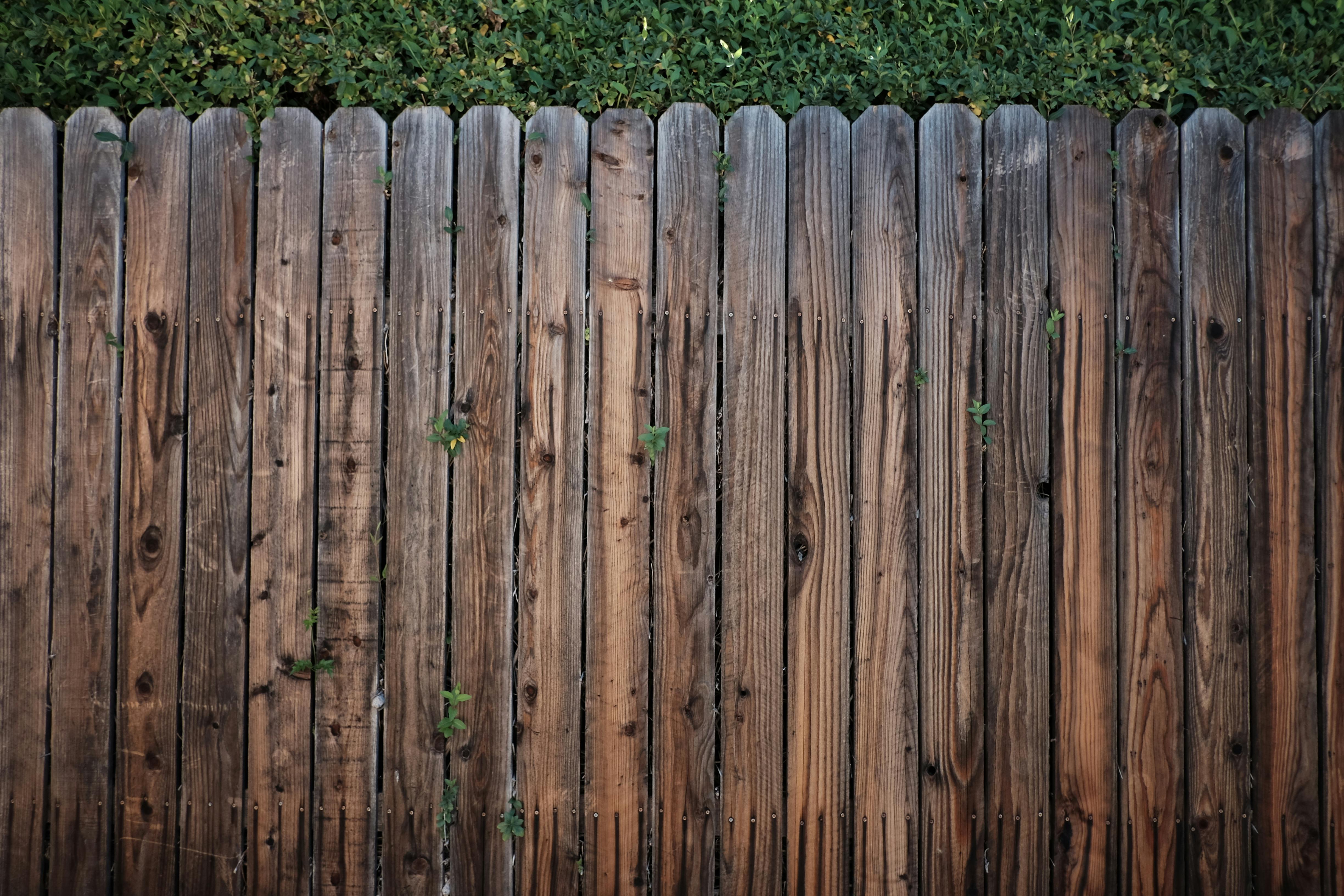
If you've got a wood fence in the Dallas-Fort Worth area that's due for some attention, one of the first questions that comes up is whether to stain it or paint it. On the surface, it seems like a simple choice — but the decision you make here has a real impact on how long your fence lasts, how much maintenance it requires, and what it costs you over time.
The short answer is that staining is almost always the better choice for wood fences in the DFW climate. But understanding why helps you make a more informed decision for your specific situation. Here's a full breakdown of both options.
How Paint and Stain Work Differently on Wood
The most important thing to understand about stain vs. paint is how each product interacts with the wood itself.
Paint sits on top of the wood surface, forming a film layer that seals the surface from the outside. It blocks moisture — in theory — by creating a physical barrier over the wood.
Stain penetrates into the wood fibers. Rather than sitting on the surface, it soaks in and becomes part of the wood, protecting it from the inside out. Oil-based stains in particular bond with the wood at a cellular level, repelling moisture, blocking UV damage, and allowing the wood to breathe naturally.
That difference in how each product works is exactly why stain outperforms paint on exterior wood fences — especially in a climate like DFW's.
Why Paint Struggles on Wood Fences in North Texas
Paint sounds like a solid protective option, and on some surfaces it is. On wood fences in the DFW area, it consistently underperforms for a few specific reasons.
Wood expands and contracts constantly in response to temperature and moisture changes. In North Texas, where temperatures can swing dramatically between seasons — and even within a single day in spring and fall — that movement is more pronounced than in milder climates. Paint, as a surface film, can't flex with those movements. Over time it cracks, peels, and chips, creating openings where moisture gets behind the paint layer and directly into the wood.
Once moisture gets behind a paint layer, it's trapped. The paint that was supposed to protect the wood now holds moisture against it, accelerating rot and deterioration from the inside. By the time you see visible peeling and bubbling on a painted fence, there's often significant wood damage underneath.
Repainting a fence is also significantly more labor-intensive than restaining. You have to strip or sand the old paint before applying a new coat — a process that takes considerably more time and effort than restaining a properly prepped fence.
Why Stain Is the Better Choice for DFW Wood Fences
Stain works with wood rather than against it. Because it penetrates into the wood fibers instead of forming a surface film, it flexes naturally as the wood expands and contracts. There's no film to crack or peel — which means stain fails gradually and gracefully rather than failing suddenly and visibly.
When a stained fence starts to show wear, the wood simply begins to look a little lighter or more weathered. There's no peeling, no chipping, and no trapped moisture problem. Restaining is straightforward: clean the fence, let it dry, and apply a fresh coat. No stripping, no sanding required when the prep is done correctly.
In the DFW climate specifically, the UV protection provided by quality oil-based stains is particularly valuable. Products like Wood Defender — which DFW Pressure Washing & Fence Staining LLC uses on every staining project — are formulated for Texas conditions, providing strong UV blocking along with moisture repellency to handle everything North Texas weather delivers.
Comparing Long-Term Costs: Stain vs. Paint
Let's look at the real long-term cost picture for a typical DFW wood fence:
Painting a fence:
- Initial application is comparable in cost to staining
- Paint typically lasts 3–5 years before peeling and cracking begin in the DFW climate
- Repainting requires stripping or sanding old paint — significantly more labor than restaining
- Failed paint traps moisture against wood, accelerating deterioration and increasing the likelihood of premature board replacement
Staining a fence:
- Initial application is comparable in cost to painting
- Quality stain in the DFW climate lasts 2–3 years with professional application
- Restaining requires cleaning and a fresh coat — no stripping or sanding
- Stain failure is gradual with no moisture trapping, preserving wood integrity longer
Over a 10-year period, a properly maintained stained fence typically costs less in total maintenance and results in better wood condition than a painted fence — even accounting for the slightly more frequent restaining schedule compared to paint's theoretical lifespan.
What About Solid Color Stains?
It's worth noting that solid color stains exist as a middle ground — they provide more color coverage than semi-transparent stains while still penetrating the wood rather than forming a surface film. If you want a consistent, opaque color on your fence without the downsides of paint, a solid color stain is a reasonable option.
That said, solid color stains do obscure the natural wood grain, and they behave more like paint in terms of how visible wear becomes over time. For most DFW homeowners who want a natural wood look with maximum protection, semi-transparent oil-based stain is still the preferred choice.
The Right Prep Makes All the Difference
Whether you're staining or painting, proper preparation is what determines how long the finish lasts. The most common reason stain jobs fail prematurely is skipped or rushed prep — specifically, staining over a dirty, wet, or previously coated surface that the new stain can't bond to properly.
Professional fence staining by DFW Pressure Washing & Fence Staining LLC always starts with a thorough pressure washing to strip away dirt, mildew, old surface residue, and weathered gray wood. The fence is then given full drying time before any stain is applied. This prep process is what separates a stain job that lasts two to three years from one that starts failing within a season.
We back every staining project with a three-year limited warranty because we know the prep and application are done correctly every time.
Still Have a Painted Fence? Here's What to Do
If your fence is currently painted and you want to switch to stain, the transition requires fully stripping the old paint first. Applying stain over paint doesn't work — the stain can't penetrate through the paint layer to reach the wood. Stripping and sanding is labor-intensive but sets you up for much easier maintenance going forward once you're on a staining schedule.
DFW Pressure Washing & Fence Staining LLC can assess your current fence condition and give you a clear recommendation on whether stripping and restaining makes sense versus other options based on the age and condition of the wood.
Serving Wood Fence Owners Across the DFW Metroplex
DFW Pressure Washing & Fence Staining LLC provides professional wood fence staining for residential and commercial properties throughout the Dallas-Fort Worth area, including Kennedale, Arlington, Mansfield, Fort Worth, Grand Prairie, and surrounding communities. We use premium Wood Defender oil-based stains in transparent and semi-transparent finishes, applied with professional equipment by an experienced crew.
Every staining project includes a full pressure wash and prep, proper drying time, and careful protection of surrounding areas before any stain is applied.

Ready to get your wood fence properly stained and protected? Request a free estimate at dfwpressurewashing.net/contact-us — DFW Pressure Washing & Fence Staining LLC serves homeowners and businesses throughout the DFW Metroplex.

DFW Pressure Washing & Fence Staining LLC


