Blog
Wrought Iron vs. Aluminum Fencing in DFW: Which Ornamental Fence Is Right for Your Property?
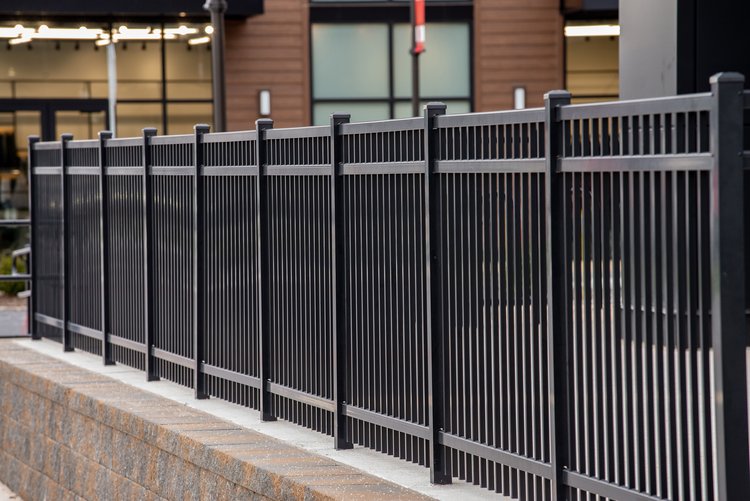
When DFW homeowners want a fence that combines security with an open, elegant appearance, ornamental metal fencing is almost always the category they end up considering. And within that category, the two most common options are wrought iron and aluminum — two materials that look similar at first glance but differ significantly in cost, maintenance requirements, durability, and long-term performance in the North Texas climate.
Choosing between wrought iron and aluminum isn't always straightforward. Both have genuine advantages, and the right choice depends on your priorities, your property, and how much ongoing maintenance you're willing to commit to. Here's a complete comparison of both options to help DFW homeowners make an informed decision.
What Is Wrought Iron Fencing?
Wrought iron is a traditional fencing material that has been used for centuries. True wrought iron is an alloy of iron with very low carbon content, known for its malleability and strength. In modern fencing, the term wrought iron is often used loosely to describe any heavy steel ornamental fencing — most residential ornamental fencing sold as wrought iron today is actually mild steel rather than true wrought iron, though the appearance and general characteristics are similar.
Wrought iron fencing is characterized by its substantial weight, its ability to be shaped into intricate decorative designs, and its classic aesthetic that works with traditional, colonial, and formal architectural styles. It's the material of choice when visual impact and a sense of permanence are the priority.
The tradeoff with wrought iron — or any ferrous metal fencing — is rust. Iron and steel both oxidize when exposed to moisture, and in the DFW climate, which delivers significant rain in spring and fall, rust management is an ongoing maintenance requirement for wrought iron fences.
What Is Aluminum Fencing?
Aluminum fencing is designed to replicate the appearance of traditional wrought iron while eliminating its primary maintenance challenge: rust. Aluminum doesn't oxidize the way iron and steel do, which makes it inherently rust-resistant without the need for regular painting or rust treatment.
Modern aluminum fencing is manufactured using extruded aluminum components that are powder-coated for durability and color consistency. The powder coating process applies a dry paint finish electrostatically and then cures it under heat, producing a hard, durable surface that resists chipping, fading, and weathering significantly better than liquid paint finishes.
Aluminum fencing comes in a wide range of styles that closely replicate the appearance of traditional wrought iron — from simple flat-top picket designs to elaborate ornamental styles with spear tops, decorative collars, and custom finial options. For most residential applications in the DFW area, aluminum is visually indistinguishable from wrought iron at normal viewing distances.
Comparing Wrought Iron and Aluminum: The Key Differences
Rust and Corrosion Resistance
This is the most significant practical difference between the two materials in the DFW climate, and it's worth addressing directly.
Wrought iron rusts. In North Texas, where spring and fall bring significant rainfall and humidity, an unpainted or poorly maintained wrought iron fence will show rust development relatively quickly. Managing rust on a wrought iron fence requires regular inspection, spot treatment of any rust that develops, and periodic repainting of the entire fence to maintain the protective paint layer. Neglected wrought iron fences develop deep surface rust that eventually compromises the structural integrity of the metal.
Aluminum does not rust. The aluminum oxide that forms on the surface of aluminum when exposed to moisture is a stable compound that actually protects the underlying metal rather than degrading it the way iron oxide degrades iron. Combined with a quality powder coat finish, aluminum fencing can go years — in many cases the lifetime of the fence — without rust-related maintenance concerns.
For DFW homeowners who want ornamental metal fencing without the ongoing rust management commitment, aluminum is the more practical choice in almost every residential application.
Weight and Strength
Wrought iron is significantly heavier than aluminum — roughly three times the weight for comparable fence sections. That weight translates to a fence that feels genuinely substantial and permanent, which some homeowners specifically want for security-focused applications or for properties where the visual weight of the fence is part of the design intent.
Aluminum, being lighter, is easier to handle during installation and puts less stress on gate hardware and posts over time. For most residential fencing applications — front yard boundaries, pool enclosures, garden borders — aluminum provides more than adequate strength for its intended purpose. For high-security commercial applications or situations where maximum impact resistance is required, the additional mass of steel or wrought iron may be relevant.
Cost
Aluminum fencing is generally less expensive than comparable wrought iron or heavy steel ornamental fencing in both material cost and installation. The lighter weight of aluminum makes it faster to work with during installation, which reduces labor time and cost. Custom wrought iron fabrication — particularly for elaborate decorative designs — can be significantly more expensive than standard aluminum panel systems.
Over a full lifecycle that includes maintenance costs, the cost advantage of aluminum widens further. The rust prevention, painting, and spot treatment costs associated with wrought iron over a 10 to 20 year period add up to a meaningful ongoing expense that aluminum fencing doesn't require.
Appearance and Design Options
Both materials offer a wide range of ornamental fence styles. Standard panel systems in both wrought iron and aluminum cover the most common residential designs — flat top, spear top, dog ear top, and various decorative picket profiles.
Where wrought iron has a genuine advantage is in fully custom fabrication. True wrought iron can be forged and shaped into complex scrollwork, custom monograms, and elaborate decorative elements that aren't available in standard aluminum panel systems. For homeowners who want a truly custom ornamental fence as a design feature — particularly on high-end or architecturally significant properties — wrought iron fabrication offers design possibilities that aluminum panels can't replicate.
For the majority of DFW homeowners who want an attractive ornamental fence at a reasonable cost without custom fabrication needs, aluminum panels provide excellent design options in a more accessible package.
Maintenance Requirements in the DFW Climate
Wrought iron maintenance in North Texas involves annual inspection of the paint and rust-protection coating, immediate treatment of any rust spots that develop before they spread, and periodic full repainting of the fence — typically every five to seven years depending on conditions, more frequently in areas with high moisture exposure.
Aluminum maintenance is primarily cosmetic. Cleaning with water and mild detergent removes dirt and environmental buildup, and the powder coat finish doesn't require painting or rust treatment. Gate hardware should be lubricated annually, and any physical damage to the powder coat should be touched up to prevent the underlying aluminum from being exposed to consistent moisture. Beyond that, aluminum fencing is genuinely low-maintenance in a way that wrought iron isn't.
Pool Fencing: A Special Consideration for DFW Homeowners
Pool fencing is one of the most common applications for ornamental metal fencing in the DFW area, and it's worth addressing specifically because pool environments create more demanding conditions for fence materials.
Pool chemicals — particularly chlorine — are corrosive to many metals and finishes. Combined with the constant moisture exposure that comes with being adjacent to a pool, this environment accelerates rust development on poorly coated iron and steel fencing and degrades lower-quality finishes on any metal.
For pool fencing in DFW, aluminum with a quality powder coat finish is the strongly preferred choice. The corrosion resistance of aluminum combined with a properly applied powder coat stands up to pool chemical exposure significantly better than painted iron or steel. Many pool enclosure applications also have specific code requirements for fence height and gate latching hardware — requirements that both materials can meet, but that aluminum's lighter weight and standard panel sizing often makes easier to work with during installation.
HOA Considerations for Ornamental Fencing in DFW
Many neighborhoods across the Dallas-Fort Worth Metroplex with homeowners associations have specific guidelines for fence materials, styles, and colors. Ornamental metal fencing — both wrought iron and aluminum — is approved in most DFW HOA communities, but specifics vary.
Before committing to either material, check your HOA guidelines for:
Approved fence materials and styles. Some HOAs specify ornamental metal as the required or preferred front yard fence material. Others restrict to specific styles or prohibit certain picket profiles.
Color requirements. Most ornamental fence HOA approvals specify black, though some communities allow bronze, white, or other colors.
Height restrictions. Standard residential ornamental fencing in DFW typically runs four feet for front yard applications and up to six feet for side and rear yard boundaries, subject to HOA and city regulations.
Gate requirements. Some HOAs have specific requirements for gate styles, hardware, and automation.
DFW Pressure Washing & Fence Staining LLC is familiar with fence requirements across communities throughout the Metroplex and can help you navigate HOA approval processes as part of your installation project.
Which One Should You Choose?
For most DFW homeowners considering ornamental metal fencing, aluminum is the practical recommendation. It delivers the appearance of traditional wrought iron at a lower cost, with significantly lower maintenance requirements in North Texas conditions, and without the rust management commitment that wrought iron demands in a climate with significant seasonal moisture.
Wrought iron makes the most sense in specific situations: when a truly custom fabricated design is required that isn't achievable in standard aluminum panels, when the visual weight and permanence of heavier steel is specifically desired for a high-end application, or when an existing wrought iron fence is being extended or repaired and material matching is required.
For pool enclosures, standard front yard ornamental fencing, garden borders, and most residential security fencing applications across the DFW Metroplex, aluminum delivers better long-term value and lower total cost of ownership than wrought iron.
Professional Ornamental Fence Installation Across the DFW Metroplex
DFW Pressure Washing & Fence Staining LLC installs both aluminum and wrought iron ornamental fencing for residential and commercial properties throughout the Dallas-Fort Worth area, including Kennedale, Arlington, Mansfield, Fort Worth, Grand Prairie, and surrounding communities. We also install custom gates across all fence types and handle the full project from permit coordination through final installation.
Every installation is performed by a fully insured crew with experience in North Texas soil conditions and local permit requirements. We offer free on-site estimates so you get an accurate, detailed quote based on your specific property and project requirements.

Ready to install ornamental fencing on your DFW property? Request a free estimate at dfwpressurewashing.net/contact-us — DFW Pressure Washing & Fence Staining LLC serves homeowners and businesses throughout the DFW Metroplex.
DFW Pressure Washing & Fence Staining LLC


